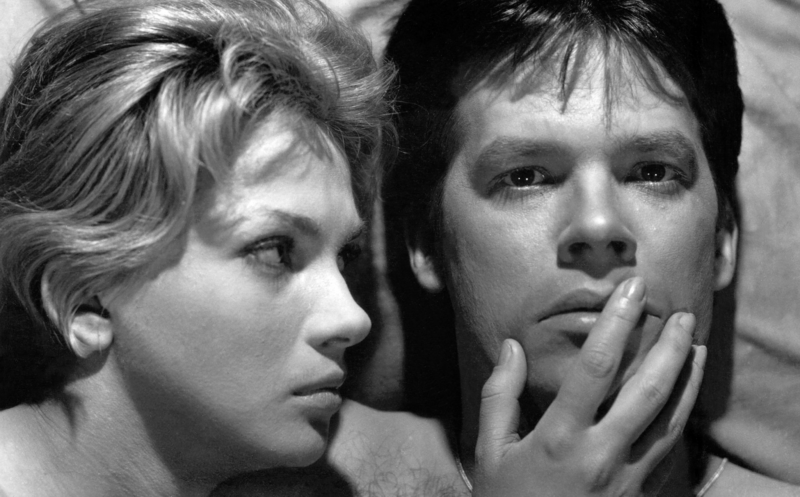
25.05.22, 20:30, Ashes and Diamonds
Ondanks het strikte politieke klimaat van de tijd, waren de jaren 50 de hoogdagen van de Poolse cinema. Uit de etterende wonden van de oorlogsjaren rezen een reeks cineasten op die met een gedurfde filmtaal een natie in een staat van herstel en hervorming wilde vastleggen. Andrzej Wajda was vaandeldrager van deze informele stroming aan nieuwe stemmen en toonde met films als A Generation (1955) en Kanal (1957) een engagement tot het puren van duistere poëzie uit het collectieve trauma van de tweede wereldoorlog. Ashes and Diamonds vervolledigde zijn drieluik over het Poolse oorlogsverleden met een adaptatie van Jerzy Andrzejewski’s gelijknamige boek uit 1948.
Andrzejewski’s rauwe relaas over de gedesillusioneerde jeugd die na de oorlog als nationalistisch anti-communist bleven doorvechten, was oorspronkelijk bedoeld als aanklacht tegen de contrarevolutionaire facties van het naoorlogs Polen. In de handen van Wajda wordt dit verhaal over twee voortvluchtige partizanen echter een complexer relaas waar verschillende historische krachten vechten om een verloren generatie. Zbigniew Cybulski’s op James Dean geïnspireerde performance vervolledigt een film zo wild en weerbarstig dat deze in o.a. het werk van Martin Scorsese en andere New Hollywood adepten wist te weergalmen.
Gerestaureerd in 4K op basis van het originele negatief
 KIDScinema, KASKcinemafilmAgendaArtistic activities
The very best short films from the Filem’On Festival!
KIDScinema presents cinema for the youngest moviegoers! Parents and children from 4 years old are welcome to this screening in which we show a series of short, wacky films.
 Apolline (1959), Bruges-La-Morte (1978), KASKcinemafilmAgendaArtistic activities
To mark a research seminar on the visual representation of Georges Rodenbach’s Symbolist novel Bruges-La-Morte (1892), Film-Plateau presents the visually stunning 1978 adaptation by the American multi-artist Ronald Chase. Chase’s film is paired with Apolline (1959), a short film by Lucien Deroissy.
This little-known gem of Belgian auteur cinema is based on a novella by Franz Hellens, which offers an interesting variation on the plot structure of Rodenbach’s novel. Filmed on location in Ghent, it tells the story of a painter who becomes fascinated by a melancholic woman gazing at the tranquil canals of the historic city centre. A remarkable double bill for aspiring art historians.
This screening will be introduced by art history lecturer Steven Jacobs.
i.c.w. Film-Plateau
Cloquet
Godshuizenlaan 4
9000 Gent
 Mortu Nega (1988), KASKcinemafilmAgendaArtistic activities
Set against the backdrop of Guinea-Bissau’s twenty-year war of independence, Mortu Negafollows thirty-year-old Diminga, whose husband is fighting on the front line against the Portuguese colonists. The war is drawing to a close, but it soon becomes clear that, in many respects, the struggle has only just begun, and that the new burdens rest on the shoulders of the women. Mortu Nega (those who refuse death) bear the responsibility of reshaping the devastated country.
This political parable is the first feature film in independent Guinea-Bissau and also the first fictional film to depict the experiences of the war. Director Flora Gomes, in a subdued tone, weaves history with mythology in small stories that demonstrate how film served as an important weapon in the decolonial struggle.
Cloquet
Godshuizenlaan 4
9000 Gent
 Damned if You Don’t (1987), Dildotectónica (2023), KASKcinemafilmAgendaArtistic activities
Lesbian nuns in 1980s New York embark on a quest through historical texts to uncover the history of the dildo. Their journey runs parallel to the melodramatic conventions of film history. These two films each weave together different narratives and timelines in a quest for desire, pleasure and their expression outside the norm. How can a subversive cinematic experiment offer an answer to a Catholic upbringing? How can a ceramic dildo distance itself from phallic expectations? And what if we shape our own sexual pleasure, literally, with handmade silicone dildos?
The words of Puk Bennie complement the cinematic narratives of Su Friedrich and Paula Tomás Marques in this exploration of what pleasure and desire can mean.
Cloquet
Godshuizenlaan 4
9000 Gent
 Night of the Horror, KASKcinemafilmAgendaArtistic activities
Sleazeballs from all over the world can treat themselves this Halloween to a night that pumps hallucinogenic horror hits straight into your veins. Bad Trip snorts, licks and smokes its way to hell and back with a trilogy of drug-induced nightmares. First, we’ll chill out in the free-spirited 1970s with A Lizard in a Woman’s Skin; a giallo by Italian genre master Lucio Fulci. No peace, love and understanding here, but murderous intent, psychoanalysis and the twists and turns of the subconscious. Carol is annoyed by the hedonistic escapades of her free-spirited hippie neighbour Julia. When she dreams of murdering Julia, she realises the next morning that Julia has actually been stabbed.
After this taster, the party can begin with MadS, a strobe-lit, single-take descent into madness. On his way to a rave, Romaine is offered a mysterious substance by his dealer. What initially feels like psychedelic side effects gradually transforms into a more sinister battle with reality. Finally, we’ll wind down with Brain Damage. In this trashy horror-comedy, a young man enters into a symbiotic relationship with an alien parasite. It promises him sensory ecstasy in exchange for the brains of his neighbours. So find your trip sitter and join us for this night of sensory-overloading torments.
 Ich glaub’ nie mehr an eine Frau (1929), KASKcinemaAgendaArtistic activities
Deze vroege Duitse klankfilm, met in de hoofdrol de wereldbefaamde Oostenrijkse tenor Richard Tauber, stond tot voor kort geboekstaafd als verloren. Dankzij onderzoek aan het onderzoekscentrum CIMS (UGent) én een samenwerking tussen de Cinematek en het Deutsches Filminstitut is dit weerbarstig melodrama over verboden liefde, verlangen en heimwee in een havenstad opnieuw in volle glorie te bewonderen.
Hoewel de film vandaag de dag in de vergetelheid is geraakt, bleef deze publiekstrekker in Gent en andere Belgische en Nederlandse steden maanden- en zelfs jarenlang de zalen sieren. Nagenoeg honderd jaar na productie is Film-Plateau fier om de Belgische première van deze gerestaureerde versie op het jonge Gentse publiek los te laten.
De vertoning wordt ingeleid door docent filmgeschiedenis Daniël Biltereyst.
 Erik of het klein insectenboek (2004), KASKcinemafilmAgendaArtistic activities
Er kriebelt wat in KASKcinema. Samen met Kinoautomat krimpen we tot zakformaat voor deze onweerstaanbaar charmante Belgisch-Nederlandse jeugdklassieker.
Als een worm in een appel heeft Erik of het klein insectenboek zich in het hart van een hele generatie genesteld. Gebaseerd op het bekende boek van Godfried Bomans, volgen we Erik die tijdens een bezoekje aan zijn grootvader naar de insectenwereld getransporteerd wordt. Daar raakt hij bekend met een – van sappige Hollandse accenten uitgeruste – biotoop die zijn leven voorgoed zal veranderen.
Gedecoreerd met prachtige kostuums, knutsel-tastische special effects en wulpse mieren is Erik of het klein insectenboek de kindvriendelijke voorloper van Isabella Rossellini’s Green Porno. Een avond nillies nostalgie ontpopt zich echter tot een bijenkorf aan natuurkundige kennis dankzij onze gastspreekster van dienst, die je langs de quirks, kinks en eigenheden van een hoop beestjes begeleidt.
Deze vertoning wordt ingeleid door biologe Merel Janquart.
Cloquet
Godshuizenlaan 4
9000 Gent
 The Moment (2026), KASKcinemaAgendaArtistic activities
Na een brat summer waarin Charli XCX met haar album de Instagramfeeds bevolkte en ieders airpods overnam, blijkt haar grootste uitdaging niet het succes zelf, maar het vasthouden ervan. In The Moment speelt ze een uitvergrote versie van zichzelf: een popster die verstrikt raakt in de verwachtingen van publiek, platenlabel en haar eigen perfectionisme. Wat begint als een ironische blik op de machine achter de megaster, ontspoort in een claustrofobische nachtmerrie waarin artiest, alter ego en marketingconstruct steeds meer samenvallen.
Met deze verfrissende take op de concertfilm vertaalt Aidan Zamiri Charli’s stroboscopische concertesthetiek naar filmtaal. Zijn heerlijk unhinged satire op celebritycultuur is een Russische roulette van knipperende lichten, opgefokte concertbeelden en een flinke dosis zelfspot. Tegelijk stelt deze barokke behindthe-scenes de vraag hoe kunstenaars overeind blijven in een ecosysteem dat altijd méér wil, tot de hype alweer naar iets nieuws verschuift.
 dodeNberg (2025), KASKcinemaAgendaArtistic activities
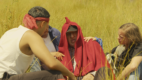
Als ‘Veldwerker’ ging voormalig architect en KASK & Conservatorium-docent Wim Cuyvers het voorbije jaar aan de slag met de Genkse Terril. Hoewel deze door uitgegraven mijntunnels gevormde berg een imposante aanwezigheid is, kent deze plek geen sociale functie. Op initiatief van C-mine ging Wim samen met de Genkse gemeenschap op zoek naar een symbolisch nut voor de plek.
Dit proces van zoeken en herbestemmen werd verwerkt tot een innemende docu-fictie film. In de hoofdrol staan Eartal en Saban, twee jonge Genkse ‘straatlopers’ die elkaar regelmatig op de Terril ontmoeten om hun ontevredenheid over de wereld te uiten. Op een dag leren ze een oude man kennen die op het terrein begraven wil worden. Zo ontstaat het plan van een dodenberg die dienstdoet als herdenkingsplek en nationale begraafplaats.
Na de vertoning volgt een Q&A met regisseur Wim Cuyvers.
 A Sunday in Hell (1976), KASKcinemaAgendaArtistic activities
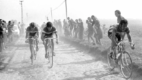
Stof in de ogen, modder op het gezicht en botbrekende kasseien die iedere meter pijn doen. Dat is de 270 km van Parijs naar Roubaix. De documentaire A Sunday in Hell van de Deense regisseur Jørgen Leth volgt de beruchte uitputtingsslag van 1976 waarin onze onbetwistbare gouden generatie flandriens (Merckx, De Vlaeminck en Maertens) hun strijdlust en stamina uitstallen.
Alles begint al vóór de start, wanneer mecaniciens de fietsen meticuleus voorbereiden en coureurs de benen scheren. De rivaliserende teams bespreken in stijlvolle seventies outfits hun tactiek. Motorcamera’s, luchtbeelden en close-ups brengen de chaos van de koers indrukwekkend dichtbij. Al deze ingrediënten maken van A Sunday in Hell 50 jaar later misschien nog steeds de mooiste wielerdocumentaire – en hommage aan de overwinnaar – ooit gemaakt.
Deze vertoning wordt ingeleid door mediawetenschapper Ben De Smet.
 Die Bergkatze (1921), KASKcinemaAgendaArtistic activities
Een charmante luitenant wordt op weg naar een afgelegen fort ontvoerd door een stel bergbandieten. Wanneer de dochter van de bendeleider valt voor deze jonge officier, verandert zijn gevangenschap in een absurd liefdesavontuur. Wat in de handen van enig ander een simpel melodrama zou zijn, ontspoort bij Lubitsch volledig in een knotsgekke komedie vol militaristische onzin, wilde snorren en verliefde schelmenstreken.
Met zijn uitbundige decors, expressionistische sets en anarchistische humor maakt Ernst Lubitsch van het leger een speeltuin waarin logica vooral in de weg zit. Overwinningsfeesten zonder overwinning, soldaten die liever dansen dan vechten en militaire manoeuvres die meer weg hebben van een slapstickballet. Die Bergkatze (‘de poema’) is een heerlijk losgeslagen vroege Lubitsch, waarin de regisseur duidelijk nog niet van plan was zich aan één genre of fatsoenlijke plot te houden.
Met live-begeleiding van Bart Maris en studenten klassieke muziek.
 Willow and Wind (1999), KASKcinemaAgendaArtistic activities
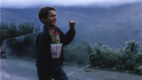
Wanneer een Iraanse jongen per ongeluk het raam van zijn klaslokaal breekt, krijgt hij van zijn leraar één dag om het te vervangen. Dit zet een ogenschijnlijk simpele, doch bedrieglijk complexe queeste in gang waarin hij zelf geld moet regelen, een glazenmaker zoekt en uiteindelijk met een levensgrote ruit door een stormachtig landschap
terug naar school trekt.
Geschreven door Abbas Kiarostami en geregisseerd door Mohammad-Ali Talebi, past de film perfect binnen de kindgerichte Iraanse cinema waarin eenvoudige verhalen ruimte bieden voor grotere thema’s. Talebi maakt van het weidse, groene landschap een personage op zich waarin de natuur tegelijk prachtig en onverbiddelijk is. Met zijn trage tempo, sobere stijl en bijna sprookjesachtige sfeer maakt Willow and Wind van een kinderlijke opdracht een spannende parabel over verantwoordelijkheid, machteloosheid en volwassen worden. Een kleine, poëtische film die spanning vindt in de simpelste der dingen.
Na de vertoning volgt een Q&A met regisseur Mohammad-Ali Talebi.
 Point Break (1991), KASKcinemaAgendaArtistic activities
Met de wind in de haren neemt deze canonieke actiefilm je mee op The Ultimate Ride. Politierekruut Johnny Utah (Keanu Reeves) krijgt de opdracht om te infiltreren in een criminele surferbende. Onder leiding van de charismatische Bodhi (Patrick Swayze) beroven deze waaghalzen banken verkleed als oud-presidenten. Hoe dieper Utah in zijn missie duikt, hoe meer hij zich verliest in de adrenaline-gedreven filosofie van zijn doelwit.
Kathryn Bigelow eigent zich met deze film een (meestal) door mannen geliefd genre toe en keert intelligent de blik om voor een gevoelige deconstructie van de actiefilm. De wereld van extreme sports waar de film in vertoeft mag dan wel voor spektakel zorgen, het ware vuurwerk vindt plaats tussen de lijven van Utah en Bodhi in een staat van achtervolging, vervoering en verlangen.
Deze vertoning wordt ingeleid door filmonderzoeker Eduard Cuelenaere.
 Les Recommencements (2025), KASKcinemaAgendaArtistic activities
De illustere Al Moon slijt zijn dagen op het Yurok territorium in Californië. Net zoals vele Native Americans ziet hij met lede ogen aan hoe het land onleefbaar wordt. Ecologische rampspoed vervuilt de visvangst terwijl geweld en alcoholisme zijn gemeenschap tekenen. De veranderingen in het landschap staan parallel aan Moons persoonlijke afrekening met het verleden. Geplaagd door zijn herinneringen als soldaat in de Vietnamoorlog vat hij een roadtrip aan om in het reine te komen met zichzelf.
Na hun dromerige desktop-documentaire Elsewhere, Everywhere (2020) pakken Vivianne Perelmuter & Isabelle Ingold opnieuw uit met een intiem observationeel portret waarin geopolitieke krachten zich kleinschalig uittekenen. Zwevend tussen antropologisch rigueur en poëtische vrijheid vinden ze in Moon een canvas voor de demonen die de Amerikaanse ziel plagen.
Na deze vertoning volgt een Q&A met regisseurs Vivianne Perelmuter & Isabelle Ingold.
 Desire Lines, KASKcinemaAgendaArtistic activities
Desire Lines (of olifantenpaden) zijn de informele wegen die ontstaan wanneer mensen de bestaande richtingen negeren om hun eigen pad in te slaan. Gebaseerd op Sara Ahmeds Queer Phenomenology (2006) verkent dit speelse kortfilmprogramma hoe landschapsarchitectuur een manifestatie van machtsongelijkheden kan zijn en hoe het queeren van de publieke ruimte kan leiden tot vrijheid.
Morgenkreis (2025, Basma al-Sharif) en Parish (2025, Eóin Heaney) begeleiden ons in de rituelen van rouw bij een veranderende omgeving. Met Verdigris (2025, Chloe Brenan), Limits and Demonstrations (2025, Olivia Normile) leren we het infrastructurele geweld van o.a. de Parijse stadsplanning zien, terwijl Collectif Faire-Parts Speech for a Melting Statue (2023) intervenieert in de koloniale restanten binnen Brussel. Zo doende wordt de stad een politieke arena die zich naar de hand laat zetten van diens bewoners.
Na de vertoning volgt een Q&A met filmmakers Chloe Brenan, Olivia Normile en Collectief Faire-Part.
Ism kunstenorganisatie aemi.
 Kinokwartet: Vampire Empire, KASKcinemaAgendaArtistic activities
13:00The Hunger (Tony Scott, 1983, VSA, 97’)
15:00Pura Sangre (Luis Ospina, 1982, Colombia, 99’)
17:00 Dracula’s Daughter (Lambert Hillyer, 1936, VSA, 68’)
20:30 Ganja & Hess (Bill Gun, 1973, VSA, 110’)
Kinoautomats Kinokwartet trekt je elk jaar uit het felle zonlicht richting de troostende duisternis van de filmzaal. Ditmaal nodigen we je formeel uit voor een filmdag om je tanden in te zetten, met onze ode aan een onsterfelijk filmicoon. Tijdens Vampire Empire vieren we de vleermuisvormige nekbijter in al diens veelzijdigheid tijdens een vierluik vertoningen die doorheen de filmgeschiedenis fladdert.
We vliegen uit met het ijzig coole The Hunger (1983). Deze debuutfilm van Tony Scott voert David Bowie en Catherine Deneuve op als stijlvol geklede nachtbrakers die aurafarmen doorheen de eeuwen. Daarna smullen we van Louis Ospina’s politieke parabel Pura Sangre (1982). In een door armoede geteisterd Colombia zoekt de schatrijke Roberto Hurtado naar een onaflatende stroom bloedtransfusies. Zijn chauffeur Perfecto stalkt de straten op zoek naar beïnvloedbare jonge mannen.
Wanneer de avond valt, eren we The Queen of the Damned met Dracula’s Daughter (1936). Joke Dheer zuigt hier gretig seksuele allegorieën uit deze Universalhorrorhit met een queer reading die de prins der duisternis uit de kist haalt. Vooraf kijken we naar de kortfilm You Are a Lesbian Vampire (2008), die een staak door de patriarchale invloeden van het genre drijft. Als laatste hullen we ons in het maanlicht met Ganja & Hess (1973). A.d.h.v. blaxploitation conventies en bijtende reflecties over de postkoloniale conditie van Amerika, bracht dit tegendraadse horrordrama een verse bloedtransfusie in de vampierenfilm. Vervolgens trekken we samen de (eeuwige) nacht in.
 Driepunter aan basketbalfilms, KASKcinemaAgendaArtistic activities
A Poster Fantasy (2026, Melissa Mabesoone, 7’)
Western History (1971, Stan Brakhage, 8’, 16mm)
Goshogaoka (Sharon Lockhart, 1997, VSA & Japan, 63’)
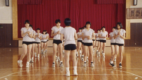
Sharon Lockhart richt in Goshogaoka haar camera op het meisjesbasketbalteam van een Japanse sportschool. In zes ononderbroken takes van tien minuten volgen we een groepstraining, geritmeerd door piepende schoenen op het parket. De hypnotiserende focus op collectieve bewegingspatronen transformeert fysieke actie tot mentale gymnastiek. De rode gordijnen en het schoolpodium in de turnzaal roepen de filmzaal op. Kijken we naar een uitvoering of een opvoering?
Voorafgaand aan Goshogaoka tonen we A Poster Fantasy van Melissa Mabesoone, gevolgd door Western History van Stan Brakhage, waarin een basketbalwedstrijd botst met beelden uit de westerse kunstgeschiedenis.
 Jay and Silent Rob Strike Back (2001), KASKcinemaAgendaArtistic activities
Snootchie boochies! Jay and Silent Bob Strike Back! Deze keer kan je hen vinden in een ultra-special, stoney-baloney, platonically homoerotic en oh zo meta en ironische vertoning op het grote scherm. In de voetsporen van auteurs als Jean-Luc Godard, Federico Fellini en Ingmar Bergman pakt regisseur en acteur Kevin Smith uit met een meta-licious film over het filmmaken zelf.
Samen met zijn right hand man Jason Mewes kruipt Smith terug in de rol van het iconische duo Jay en Silent Bob uit Clerks (1994), ditmaal in een Bijbelse strijd om hun portretrecht uit de klauwen van Hollywood te graaien. Dus rol die joint, laat je filmtheorie even aan de deur staan en bereid je voor op een roadtrip richting Hollywood waar geen vierde muur, filmcliché of celebrity cameo veilig is. Snoogans!
Deze vertoning wordt ingeleid door filmmaker Zayd Hamzane.
 National Anthem (2023), KASKcinemaAgendaArtistic activities
Wanneer Dylan op een ranch in het Amerikaanse zuidwesten belandt, kruist zijn pad dat van de intrigerende Sky. Deze toevallige ontmoeting trekt hem langzaam mee in het leven op de boerderij en de bijzondere wereld die zich daar afspeelt. Dylan tuimelt van zijn simpele zomerjob steeds dieper in een wereld waarin cowboyhoeden, rodeo’s en queer liefde moeiteloos naast elkaar bestaan.
Met National Anthem maakte fotograaf en regisseur Luke Gilford een tedere ode aan de queer rodeogemeenschap, geïnspireerd op zijn gelijknamige fotoboek. De ranch wordt een plek waar buitenbeentjes hun eigen familie hebben gevormd en iedereen welkom is. Gilford vangt die wereld in warme kleuren, weidse landschappen en intieme close-ups, terwijl echte rodeorijders de film een documentaire-achtige energie geven.
Voorafgaand aan vertoning (18:30) houden we een workshop queer linedance in de foyer.
 KIDScinema: Pinguins en IJsberen, KASKcinemaAgendaArtistic activities
Bibberen en beven, op de Noordpool valt er van alles te beleven.
Cinema voor de allerkleinste bioscoopbezoeker! Ouders en kinderen vanaf 4 jaar zijn welkom op deze vertoning waarin we een gevarieerde en originele reeks filmpjes presenteren.
 Love That Moves the Slug, KASKcinemafilmAgendaArtistic activities
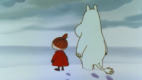
Animation is a strange beast, often quite literally. Things that really shouldn’t move do move. The impossible becomes possible, the fantastical becomes real. With this collection of short creature features, we’re writing a colourful love letter to everything that crawls, wriggles and squirm. Expect Marcel the Shell, the hip-swinging sea snail from Babobilicons (1982), a driving kettle and a coffee pot with lobster claws. As well as a Moomin episode featuring a new soundtrack created by synthesiser sensation Vessel.
This programme has been carefully curated by experimental artist Anouk De Clercq, in the wake of her solo exhibition Love That Moves The Sun. The exhibition runs from 7 October to 13 December 2026 at STUK, Naamsestraat 96 in Leuven.
 The Golden Spurtle (2025), KASKcinemaAgendaArtistic activities
Maak kennis met je nieuwe favoriete film over… havermout! De Porridge Making World Cup klinkt misschien net zo saai als de pap waar dit kampioenschap om draait, maar niets is minder waar. Elk jaar lokt de wedstrijd een waaier aan excentrieke deelnemers van over de hele wereld naar het pittoreske dorpje Carrbridge in de Schotse Hooglanden.
Regisseur Constantine Costi weet het dorp Wes Anderson-achtig tot leven te brengen in symmetrische kaders en schilderachtige composities. Met een mix van humor, oprechte verhalen en innemend excentrieke karakterportretten, bewijst de film hoe je met enkel havermout, zout en water het beste uit een simpel concept kan halen.
Deze vertoning wordt voorzien van een gratis potje huisbereide havermout.
 The Golden Spurtle (2025), KASKcinemafilmAgendaArtistic activities
Meet your new favourite film about… porridge! The Porridge Making World Cup may sound just as dull as the porridge this championship is all about, but nothing could be further from the truth. Every year, the competition draws a host of eccentric contestants from all over the world to the picturesque village of Carrbridge in the Scottish Highlands.
Director Constantine Costi brings the village to life in a Wes Anderson-esque style, using symmetrical frames and picturesque compositions. With a mix of humour, heartfelt stories and endearingly eccentric character portraits, the film proves how you can make the most of a simple concept using nothing but porridge, salt and water.
This screening comes with a free bowl of homemade porridge.
Cloquet
Godshuizenlaan 4
9000 Gent
 Offside (2006), KASKcinemafilmAgendaArtistic activities
During a nail-biting World Cup qualifier, a group of young women gather outside the stadium in Tehran. Inside, 100,000 men cheer along to the intense emotions that the ‘king of football’ evokes in them. As the women are not allowed into the stands, the friends find creative ways to experience the match up close nonetheless.
In Offside, Iranian New Wave filmmaker Jafar Panahi weaves humour, gender roles and social engagement into a vibrant portrait of an Iranian society in flux. The blurred line between fact and fiction remains ever-present in his exploration of filmmaking.
i.c.w. Film-Plateau
Cloquet
Godshuizenlaan 4
9000 Gent
 Film-Fest Gent, KASKcinemaAgendaArtistic activities
Woensdag 7 oktober start de 41ste editie van Film Fest Gent. Van 7 tot 18 oktober verwelkomen wij het festival ook in onze zaal.
Blijf op de hoogte via filmfestival.be
 Un Soir de Joie (1955), KASKcinemafilmAgendaArtistic activities
In the 1930s, Gaston Schoukens was renowned as a writer of popular Brussels comedies. With Un Soir de Joie, he enjoyed one final major success. The film, based on a true story of a Resistance operation in November 1943, recounts how the Belgian Resistance distributed a forged issue of the pro-German newspaper Le Soir, full of mockery and parody of the occupying forces. It is striking that Schoukens largely avoids the hardships of war, opting instead for a light-hearted approach in the tradition of Tijl Uilenspiegel. Yet the film is not purely cheerful: a few bittersweet moments reveal that the war had left its mark even on this comedy.
This screening will be introduced by film history lecturer Gertjan Willems.
i.c.w. Film-Plateau
Cloquet
Godshuizenlaan 4
9000 Gent
 Un Soir de Joie (1955), KASKcinemaAgendaArtistic activities
Gaston Schoukens genoot in de jaren 1930 bekendheid als maker van populaire Brusselse komedies. Met Un Soir de Joie beleefde hij nog één groot succes. De film, gebaseerd op een waargebeurde verzetsactie uit november 1943, vertelt hoe het Belgische verzet een vervalst nummer van de pro-Duitse krant Le Soir verspreidde, vol spot en parodie op de bezetter. Opvallend is dat Schoukens het oorlogsleed grotendeels ontwijkt, maar kiest voor een lichtvoetige benadering in de traditie van Tijl Uilenspiegel. Toch is de film niet louter vrolijk: enkele wrange momenten verraden dat de oorlog ook in deze komedie sporen had nagelaten.
Deze vertoning wordt ingeleid door docent filmgeschiedenis Gertjan Willems, die het boek Cinema in Post-War Belgium: Rebuilding Screens and Identities, 1944-1967komt voorstellen.
 Cat City (1986), KASKcinemafilmAgendaArtistic activities
In the year 80 AMM (After Mickey Mouse), a group of mafia cats hatches a plot to wipe out the mouse population on the animal-ruled Planet X. Mouse scientist Professor Fushimishi seems to have found the weapon to counter the threat to his people’s survival and enlists agents Intermouse and Nick Grabowsky to retrieve the plans from the cat city of Pokyo.
This Hungarian gem is a little kitten that won’t let itself be caught without a fight. With nods to 1970s spy films and a funky colour palette, Cat City is an anthropomorphic James Bond adaptation that refuses to be tamed. Produced during the heyday of the Hungarian animation industry, Cat City is regarded as a triumph of great daring on a shoestring budget.
This screening will be accompanied by a selection of cheeses to taste.
i.c.w. Open Cinema
Cloquet
Godshuizenlaan 4
9000 Gent
 Cat City (1986), KASKcinemaAgendaArtistic activities
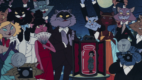
In het jaar 80 AMM (After Mickey Mouse) smeedt een groep maffia-katten een complot om de muizenpopulatie van de door dieren geregeerde Planeet X uit te roeien. Muizenwetenschapper professor Fushimishi lijkt het wapen te hebben gevonden tegen de bedreiging voor het leven van zijn volk en schakelt agenten Intermouse en Nick Grabowsky in om de plannen te bemachtigen uit kattenstad Pokyo.
Deze Hongaarse parel is een katje dat zich niet zonder handschoenen laat vastpakken. Met knipogen naar de spionagefilms uit de jaren 70 en een funky kleurenpallet, is Cat City een antropomorfe James Bond-adaptatie die zich niet laat temmen. Gemaakt tijdens de periode dat de Hongaarse animatie-industrie in volle bloei stond, geldt Cat City als een triomf van grote durf op klein budget.
Deze vertoning wordt voorzien van een selectie kaasproevertjes.
 Teorema (1968), KASKcinemafilmAgendaArtistic activities
This masterpiece by Pier Paolo Pasolini is based on a simple premise: ‘What if Christ were to return as a sexy anarchist in tight-fitting jumpers?’ One day, a mysterious stranger, played by Terence Stamp, turns up at the door of a bourgeois Italian family. One by one, the family members become obsessed with his presence and replace their bourgeois morals with revolutionary sentiments. When the stranger suddenly disappears, the emptiness of their existence can no longer be denied.
For this screening, our guest speaker uses Teorema as a canvas to analyse Pasolini’s art-historical inspirations. Drawing on religious motifs and Renaissance imagery, Pasolini weaves a web of visual allusions that lay bare the catechism of capitalism.
This screening will be introduced by art historian Fien Vrolix.
i.c.w. Kinoautomat
Cloquet
Godshuizenlaan 4
9000 Gent