I am the things surrounding me
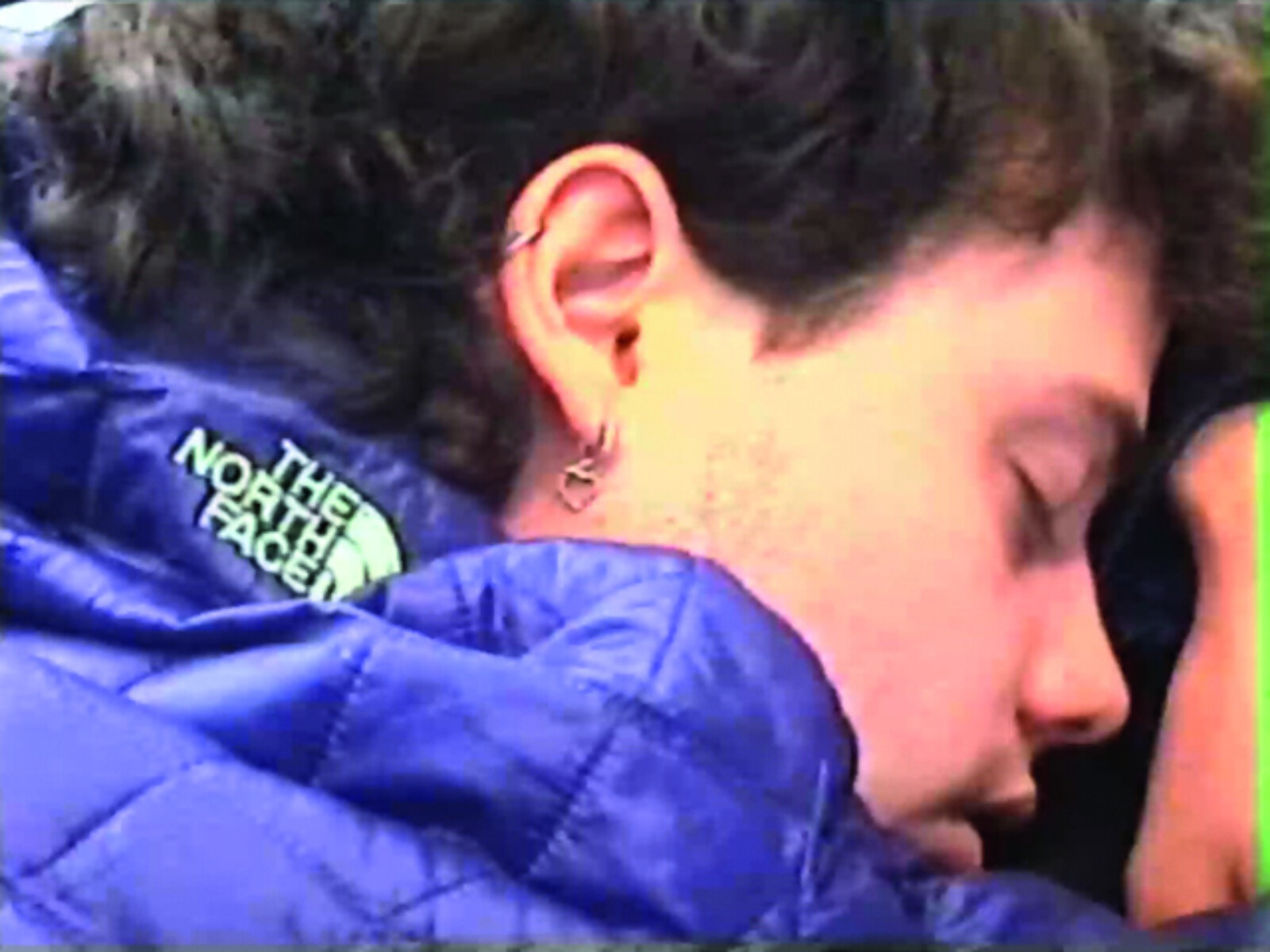
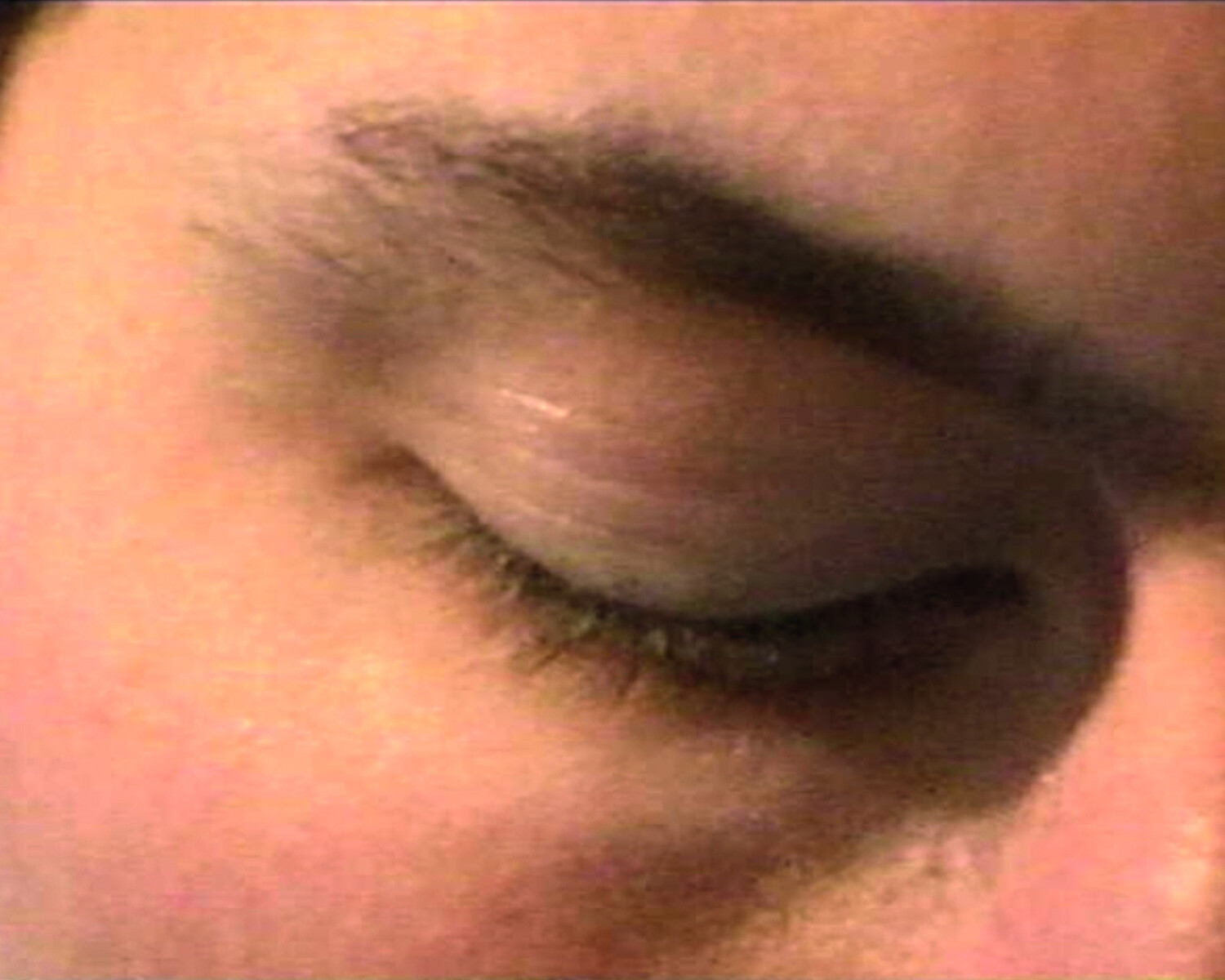
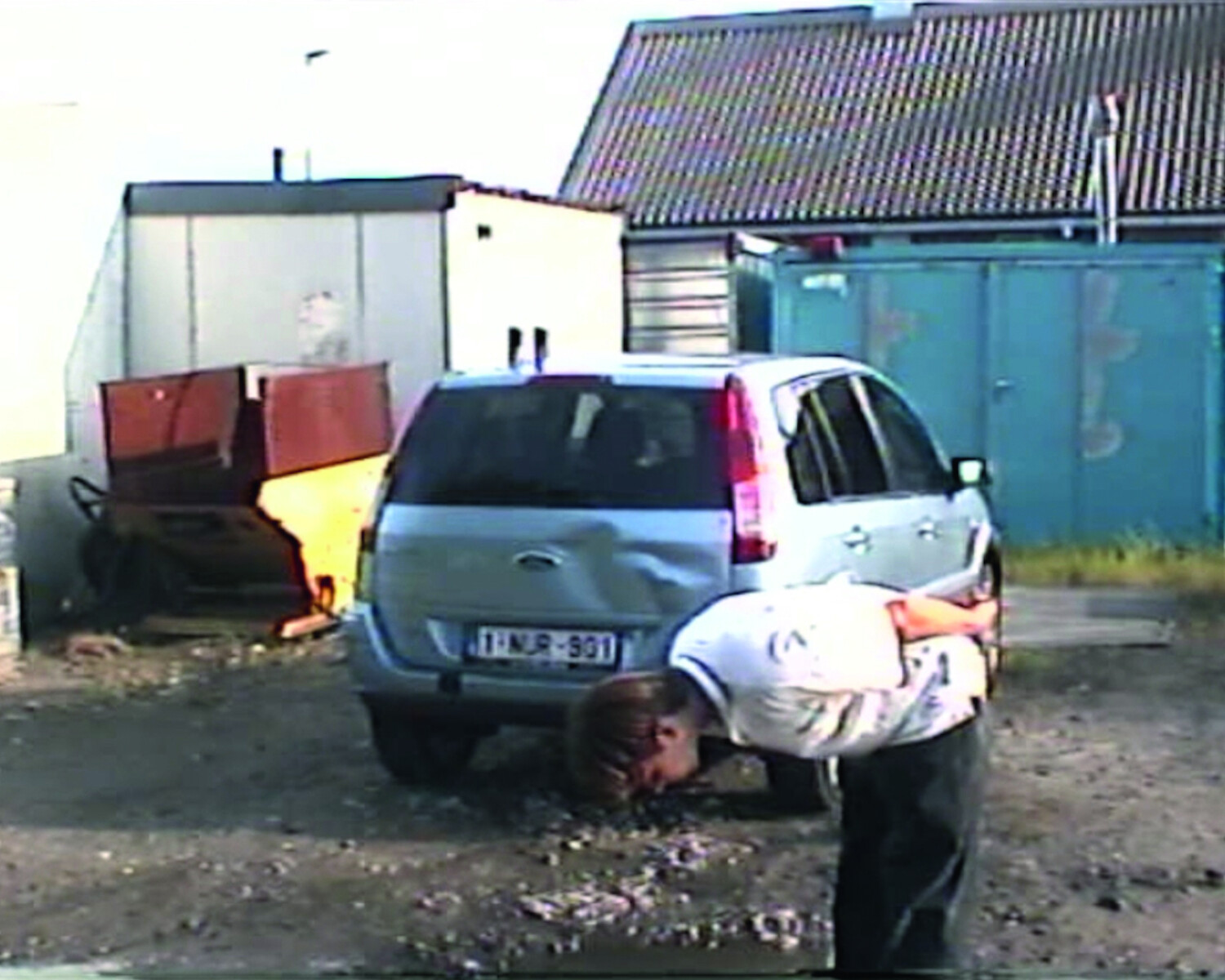
Flore van Sparrentak likes to surround herself with things. Sometimes she plucks these things from everyday life and stores them away in boxes. Sometimes she takes them out of the box again and they become part of a larger whole – on the wall of an exhibition, for example. As in her graduation presentation I am the things surrounding me. Together, we explore the installation she has assembled for this occasion, filling the space with sound and images.
Liene Aerts
Flore, what do you mean by ‘I am the things surrounding me’?
Flore van Sparrentak
The title originated in Mekhitar Garabedian’s seminar Things we don’t understand. I wrote a text about the way in which we construct our identity by surrounding ourselves with objects. I wrote:
Things that remind me of other things, that I´ve seen,
and that I´ve done, lie there beneath my windowsill.
And more and more often, I find myself placing things around me. To show myself, who I’ve been, what I´ve seen.
It is as if we construct our identity using the things around us. This relates to social media and our digital image archive: we consume our own past and that of others on social media. Within this multitude, we single out certain parts, choosing what we do and do not want to see.
LA
You describe your installation as ‘a parallel sound montage’. Is this version a one-off for you? What happens to ‘the components’ once they’ve been taken down from the wall?
FVS
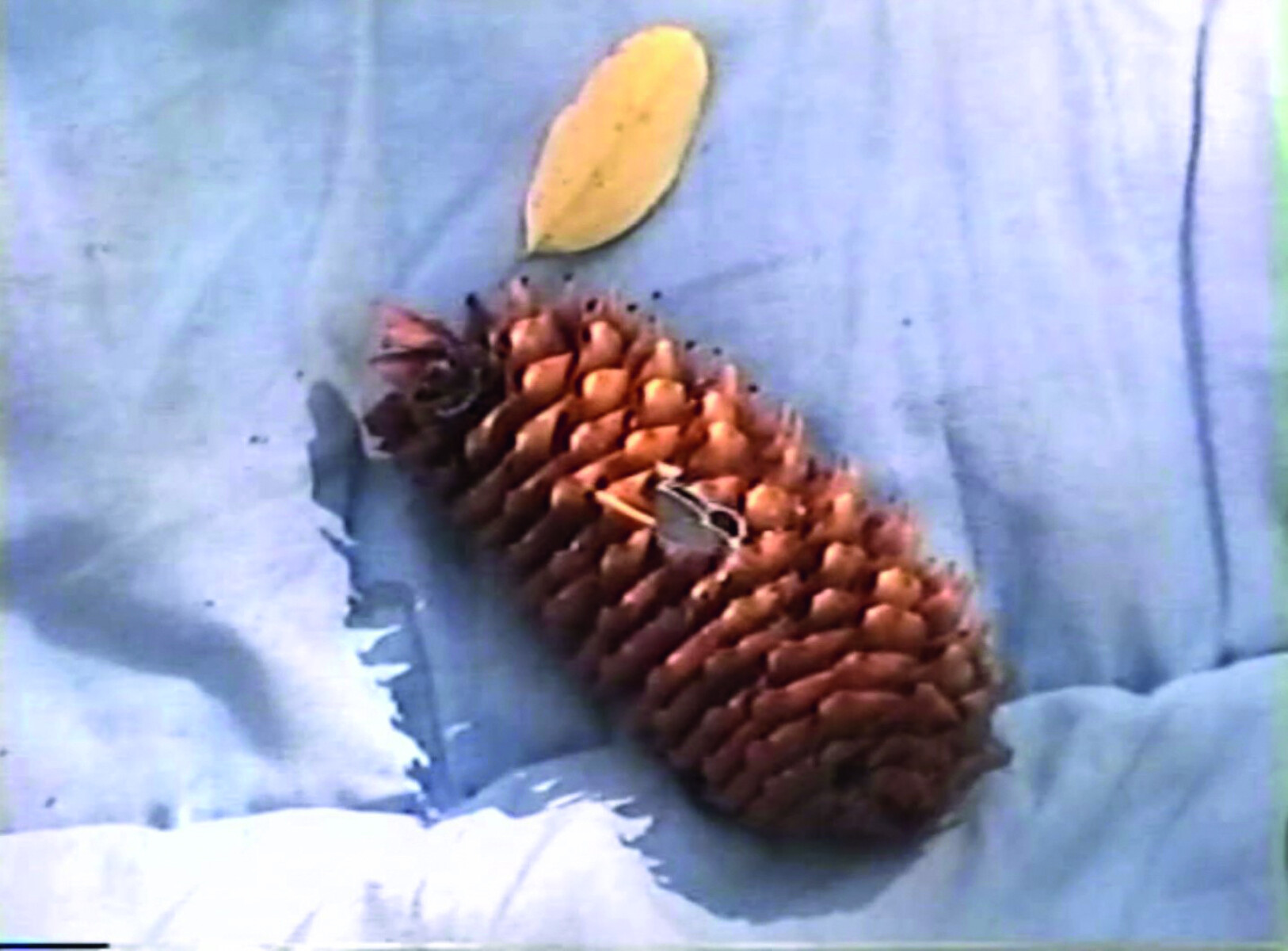
The montage (both in sound and in space) is temporary. I’d like to move towards a practice where my studio is one big archive of found objects: (digital) images, physical objects, memories. Creating work involves drawing from this pool of image and sound, assembling and putting all the components together, giving them meaning for a moment, and then dismantling them again to place them in my archive. Organised, packed into boxes, with labels and names that aren’t always accurate.
LA
The street or the archive?
FVS
First the street, then the archive? The archive as a street? I’m aware that my surroundings are very ‘safe’. I’m living a comfortable adventure. The challenge is to find points of entry and exit within this comfort zone: for the outside world, for the observer. Ideally, I’d like to be a guide: I silently point to whatever catches my eye, in the hope that someone will look along my finger.
Layers of warm blankets lie over me. Now it is time to cut one small hole in there, a shutter for the eyes, to look outside. And maybe even make another hatch, through which my hand will fit, a hand to connect to everything framed out.
LA
Gluing or clamping?
FVS
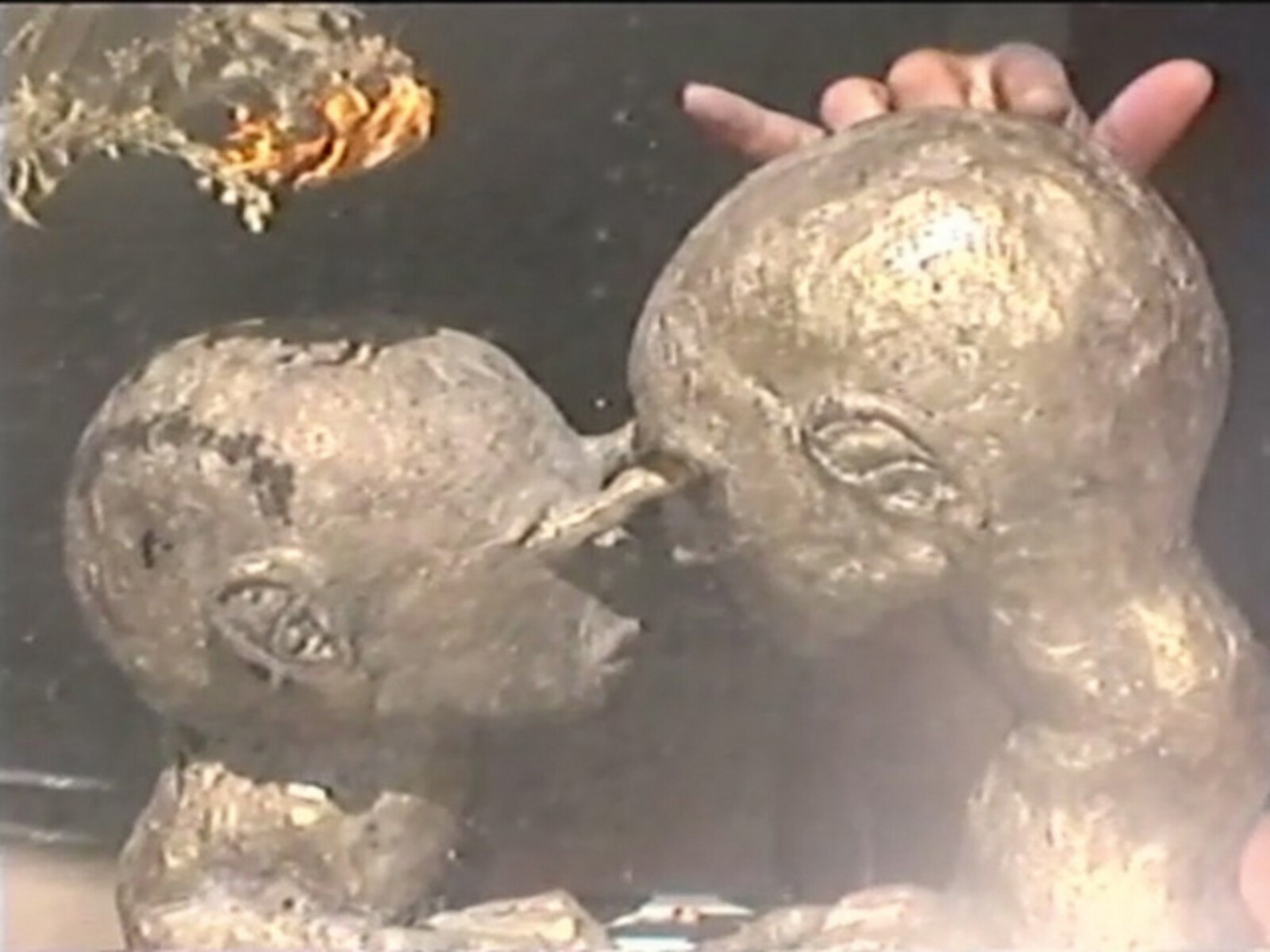
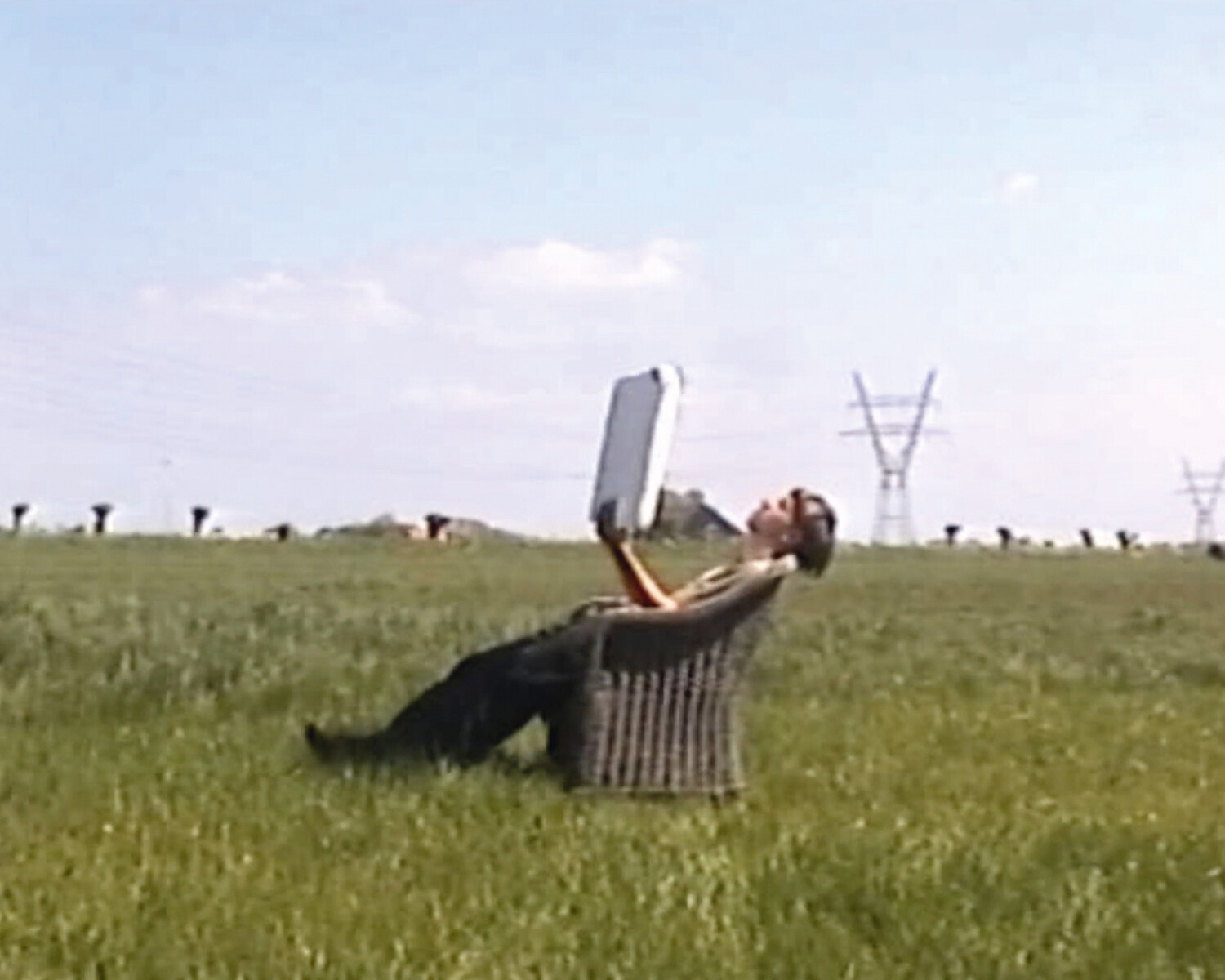
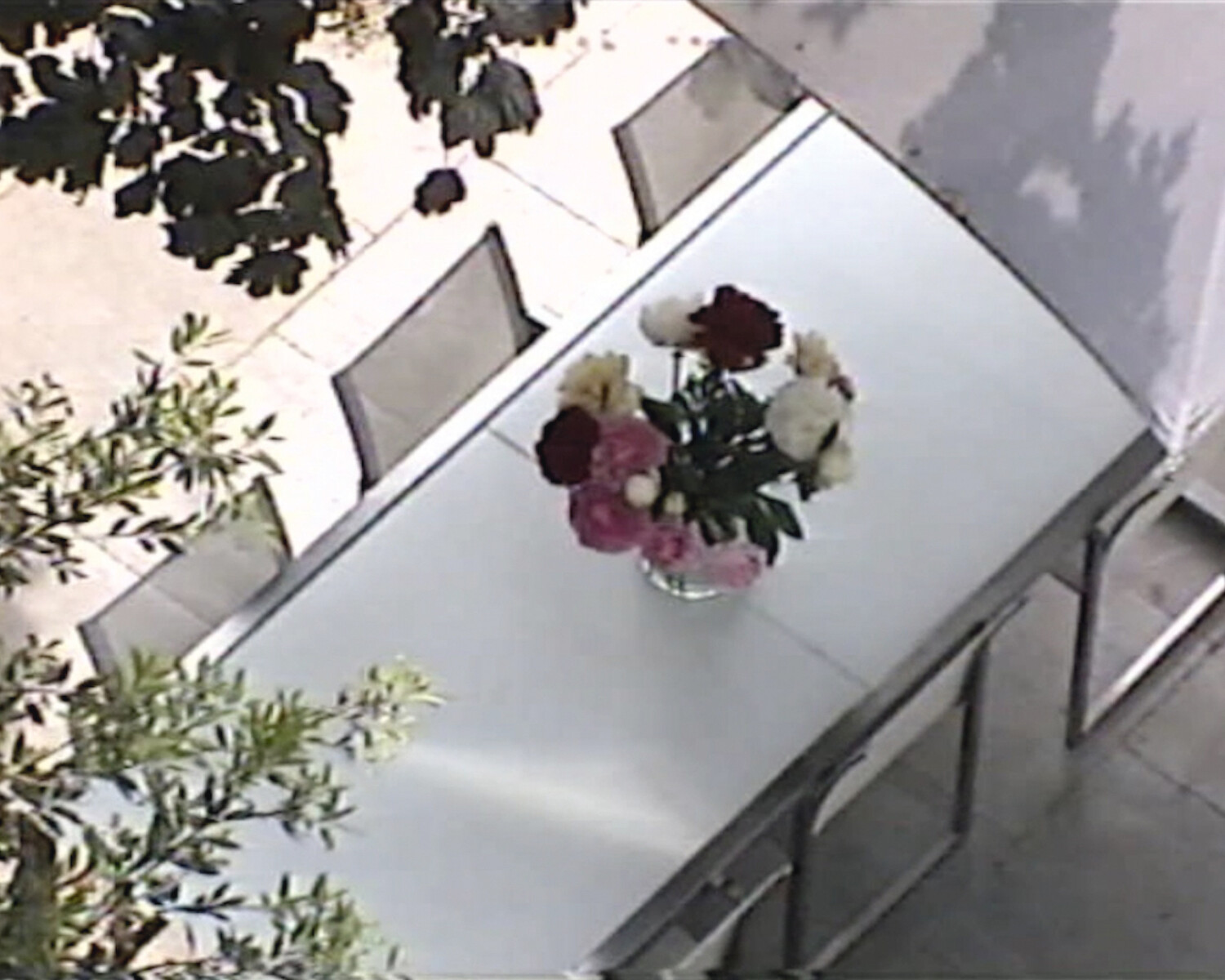
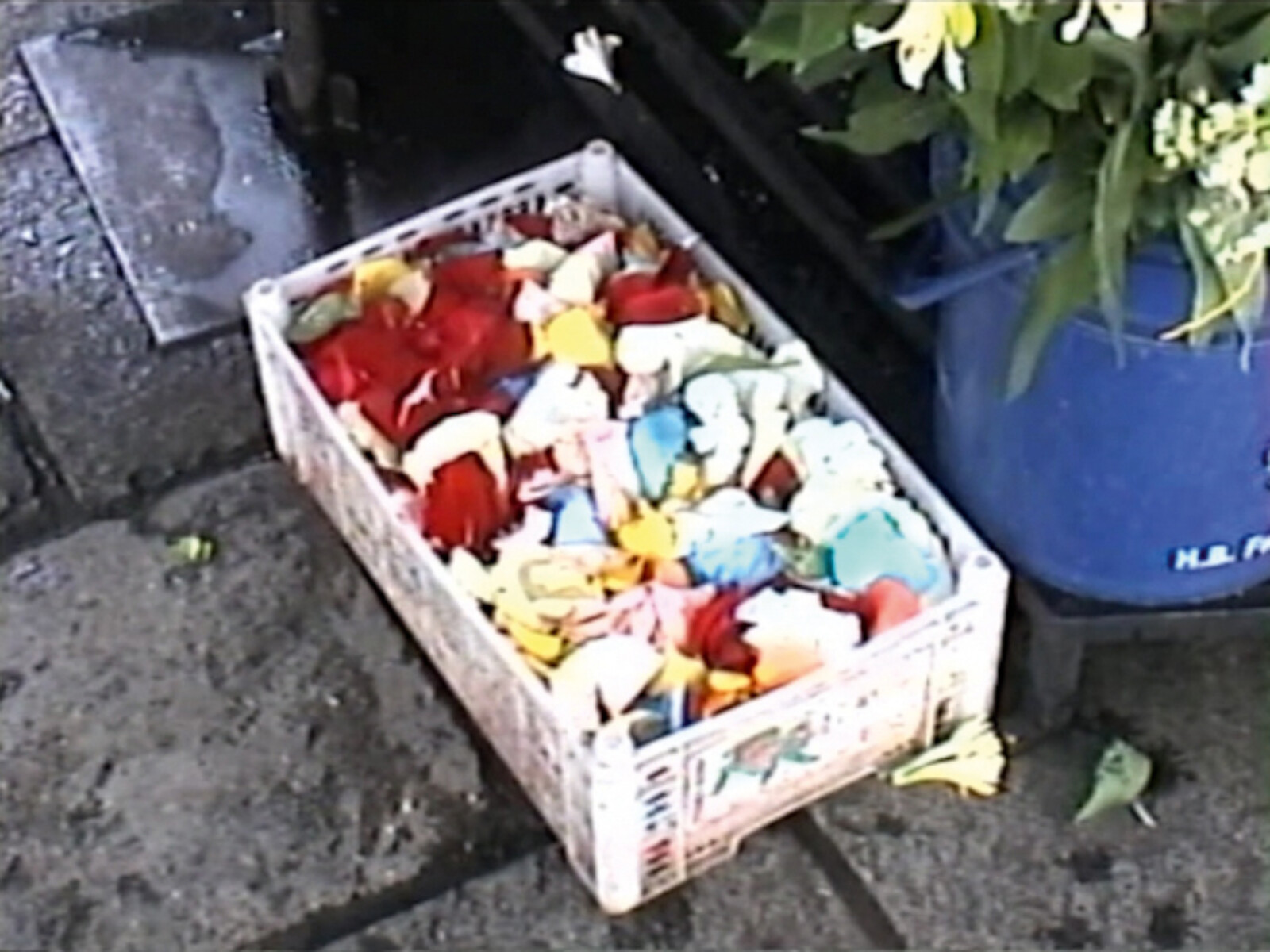
It’s interesting that you mentioned earlier how, whilst looking at my work, you were mainly focused on ‘the way it’s done’. How are the speakers positioned against the wall? What material has been used to attach the photograph to the champagne crown? You noticed the traces of my making: bubbles in epoxy, glue residue, heat-shrink tubing cut at an angle, paper secured with needle and thread. When I walk through an exhibition, it’s often these very things that catch my eye. I rewind the creative process, seeing how the lines were drawn, the frame constructed.
I’d like to work towards a presentation in which a viewer feels as though they’ve discovered my objects and images themselves: finds them, makes them their own, takes a photograph, prints it out and puts it away. The installation itself is temporary: parts could be found and taken away, but also added to.
LA
Picking up and/or letting go, collecting and/or keeping track?
FVS
Picking up is letting go. For me, collecting isn’t a matter of hoarding or greed; it’s a game. When I find something, it’s a literal point in time, time and time again. It helps me to go about my days in a relaxed way, to link the finding of things to specific periods.
LA
What’s on your bedside table at the moment?
What did you collect as a child, and what do you still collect?
FVS
Whilst setting up the Graduation exhibition, I kept thinking about ‘the red table’ in my nursery class. Every week, a different pupil was allowed to display their collection on the red table. There were collections of Lego, Playmobil figures, stones, and cut-out adverts. I’ve forgotten what I displayed myself, but I remember the feeling of being given a room to show my collection, that it was seen as important and given a place in the classroom. And also that the things I collected told something about me. So, whilst setting up the exhibition, I had the same feeling: I was given a space within the school walls where I could display the things I considered important, where they were seen, and where I was allowed to tell something about myself through those things. Very childish, but also very sweet – a friendly institution.
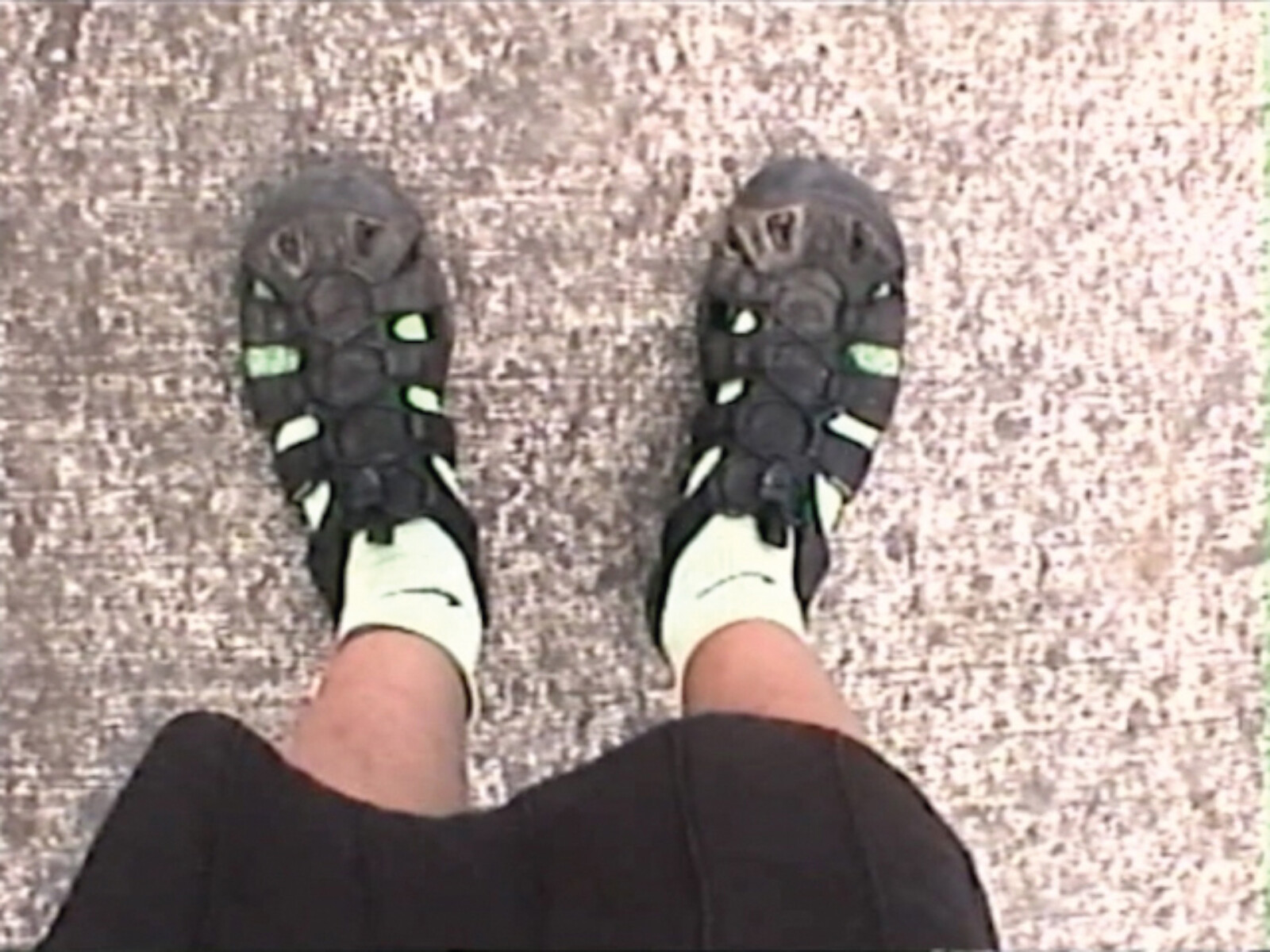
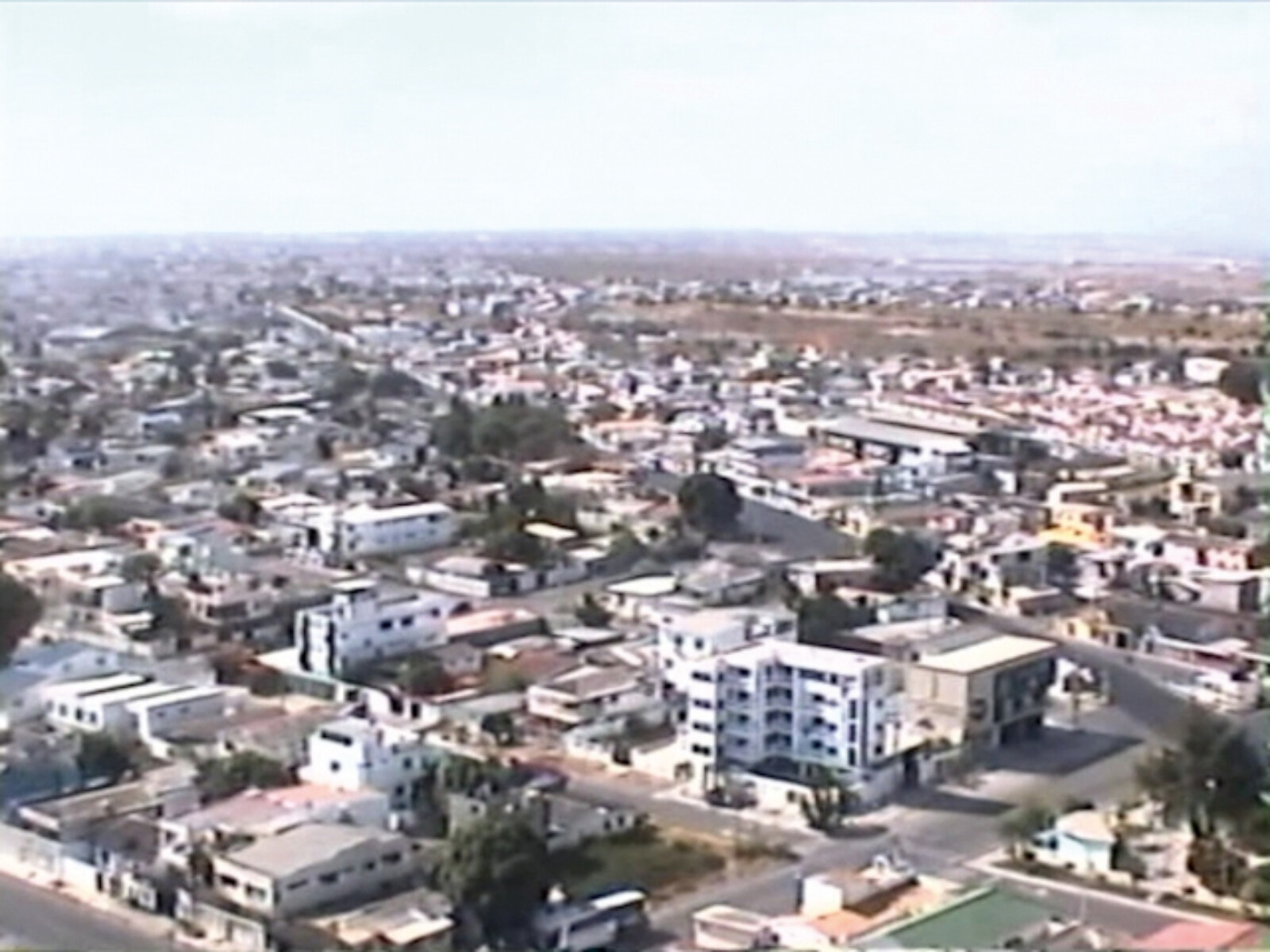
LA
What appeals to you about the playing card?
FVS
Not the symbolism of the playing card itself, but the significance of finding it. My first notebooks played a big part in shaping my identity as a child and teenager. When I was fourteen, I bought my first ‘proper’ notebook. That day, I found a playing card in the street. It felt like a meaningful coincidence, so I stuck it onto the first page. Since then, I’ve started collecting playing cards I’ve found; I have almost a complete set. I stick to the rule that I may only pick up one card at a time, and it has to be the first one I see.
LA
Do you sometimes draw as well?
FVS
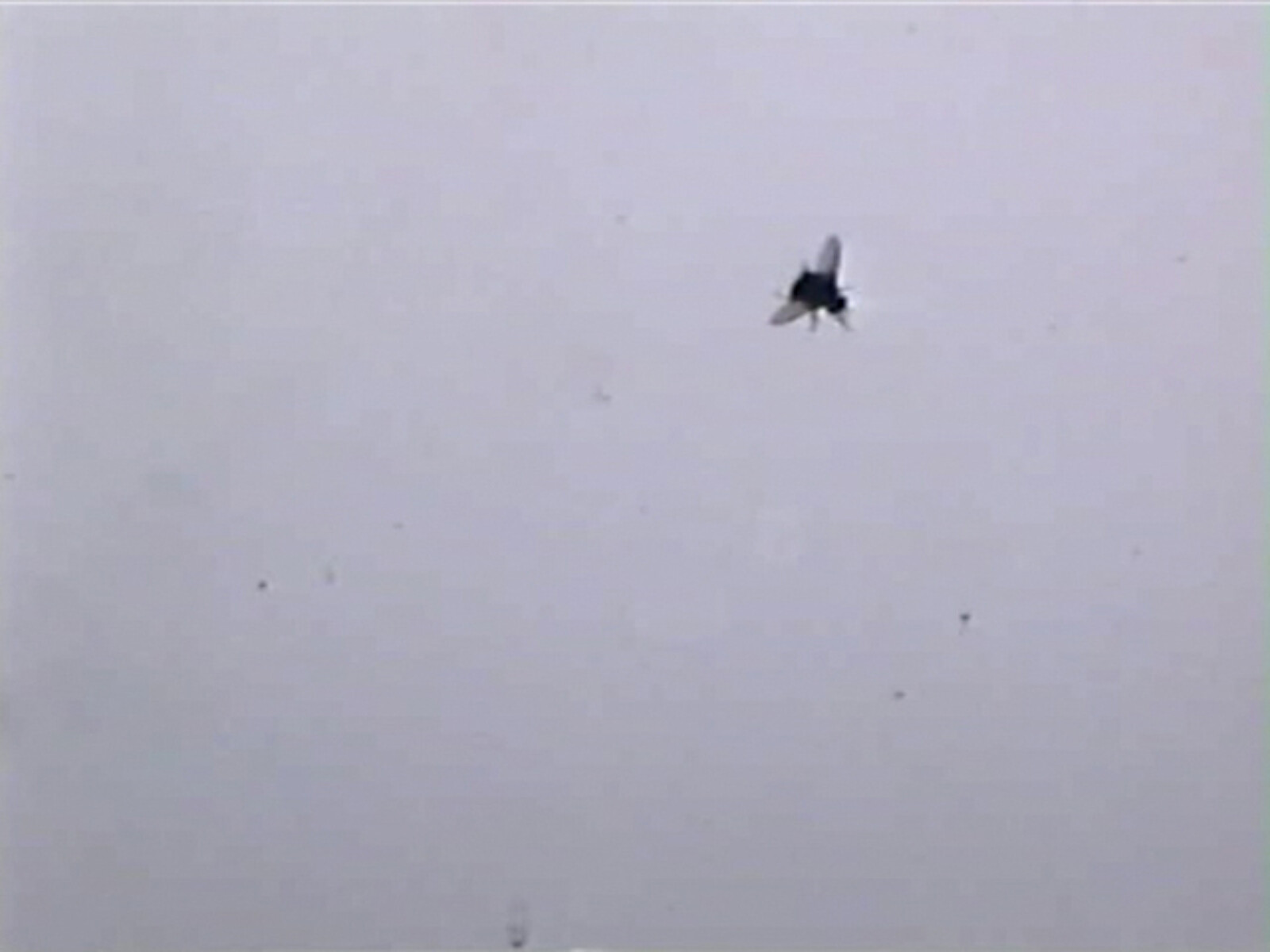
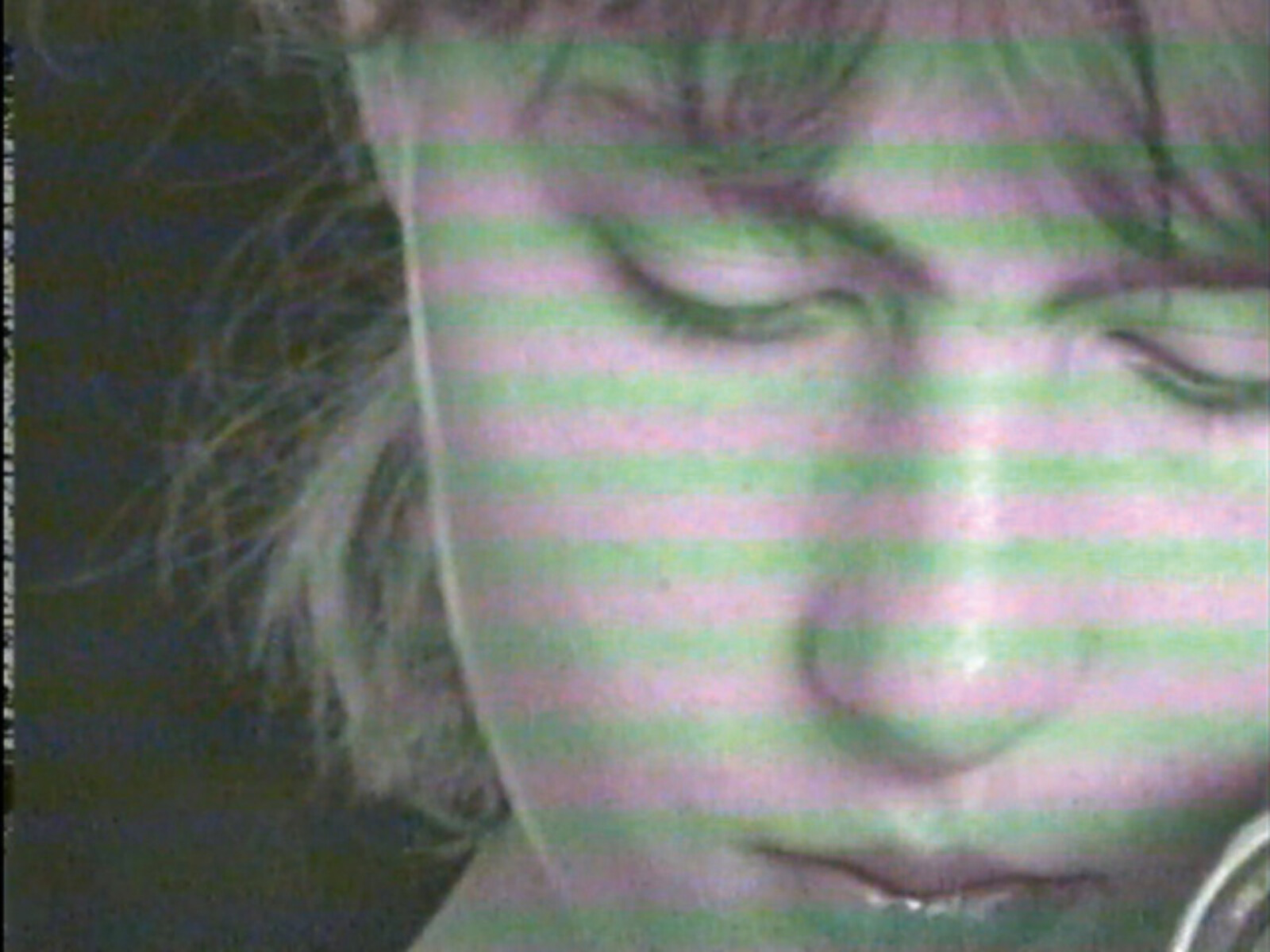
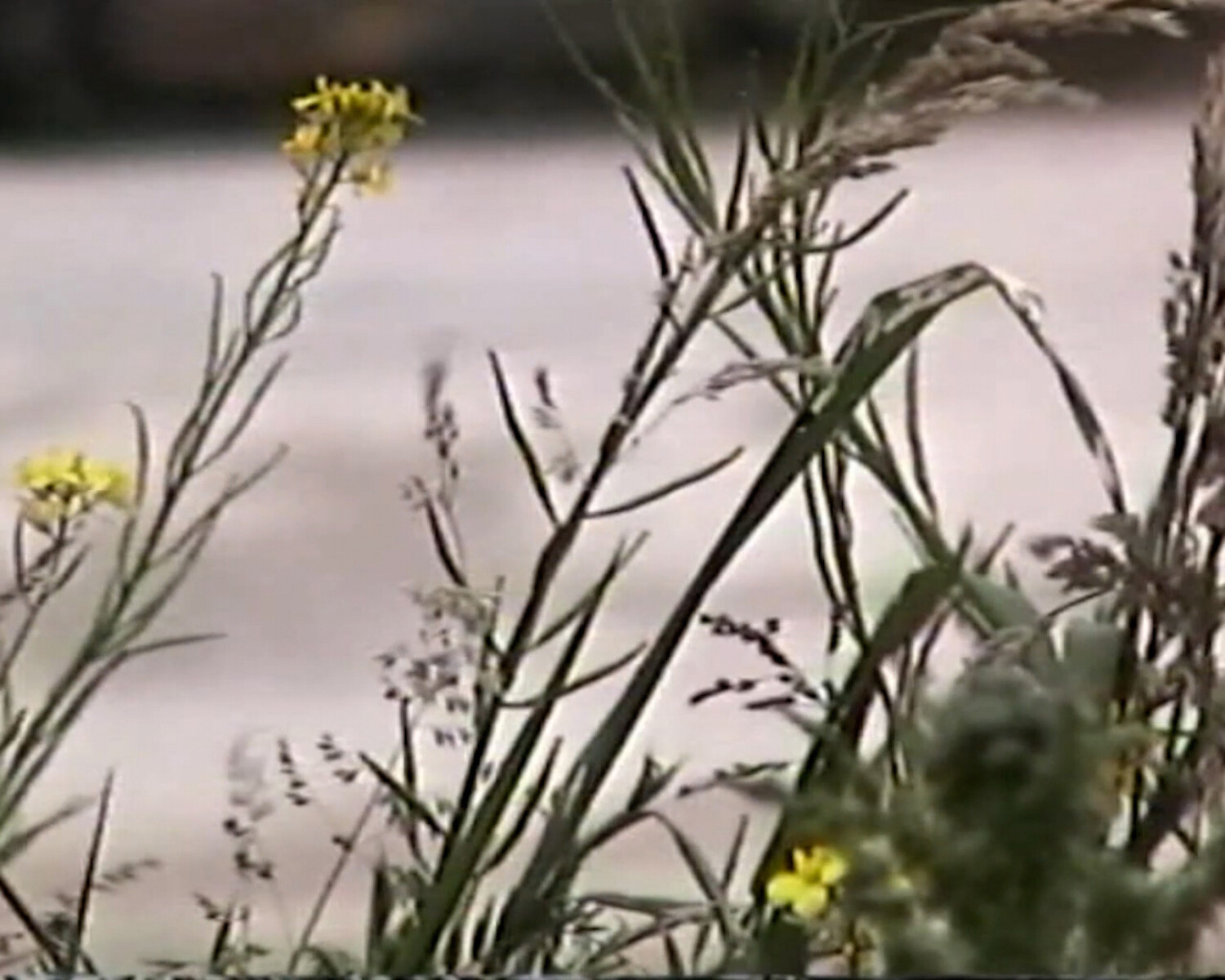
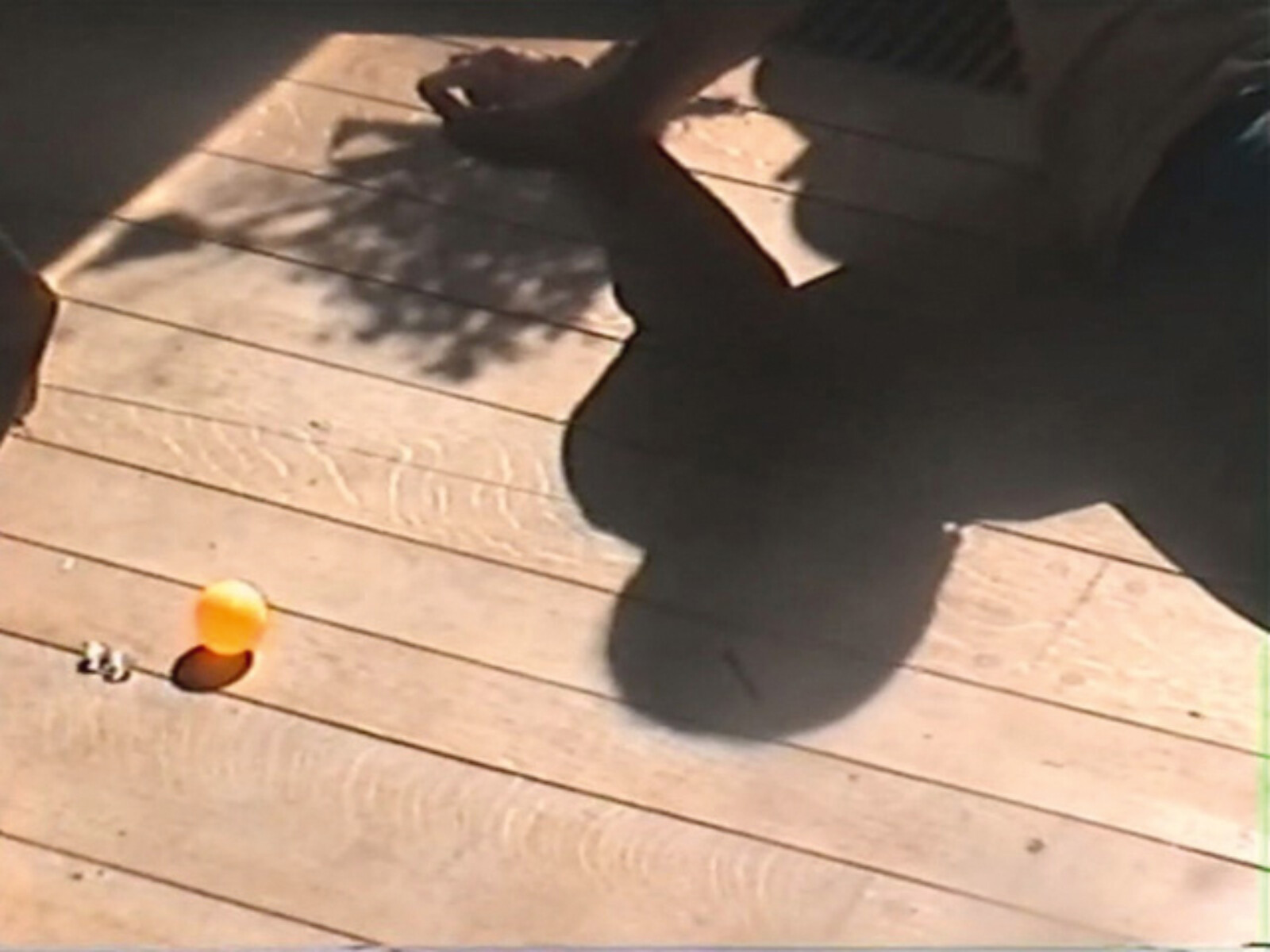
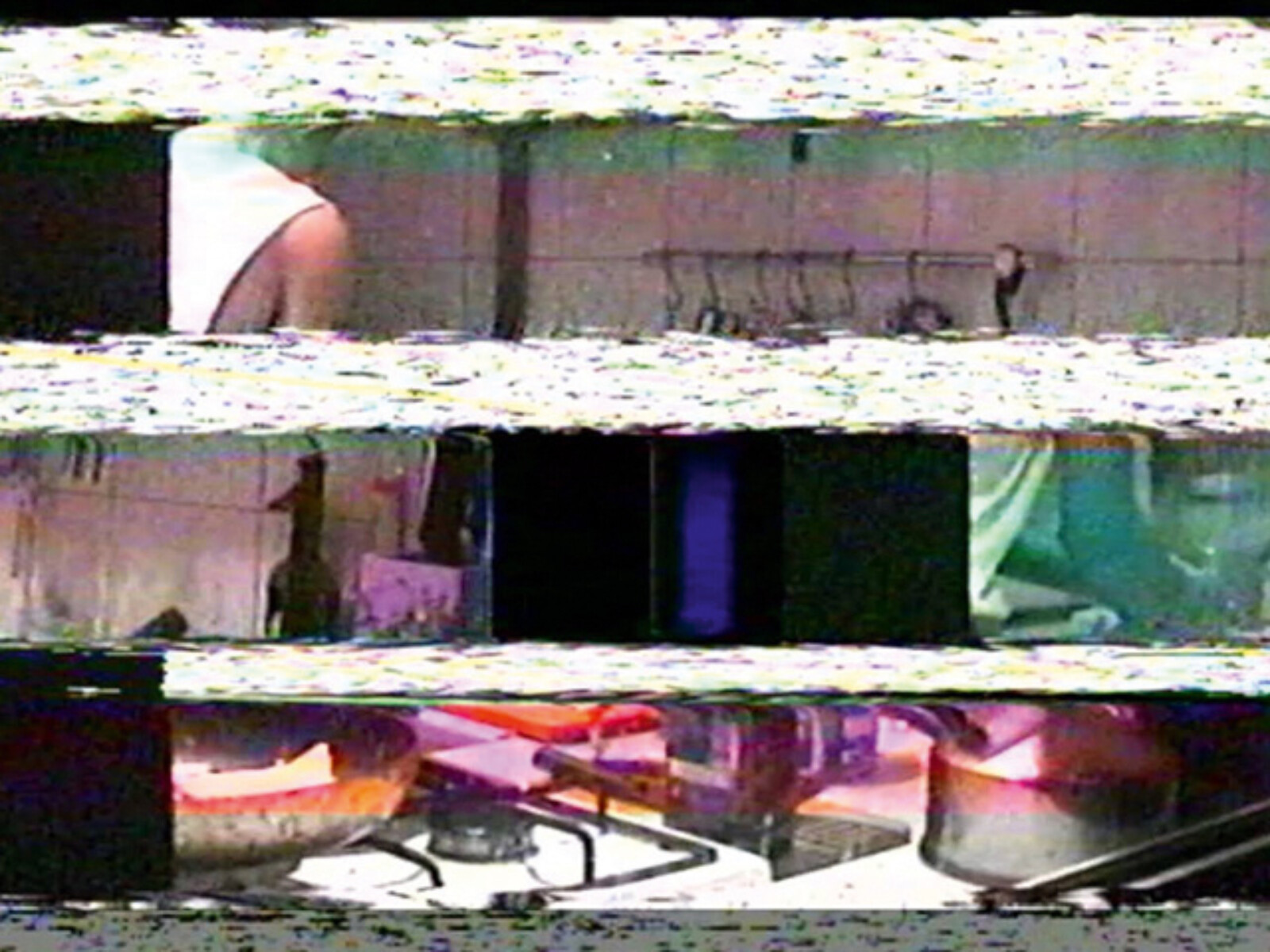
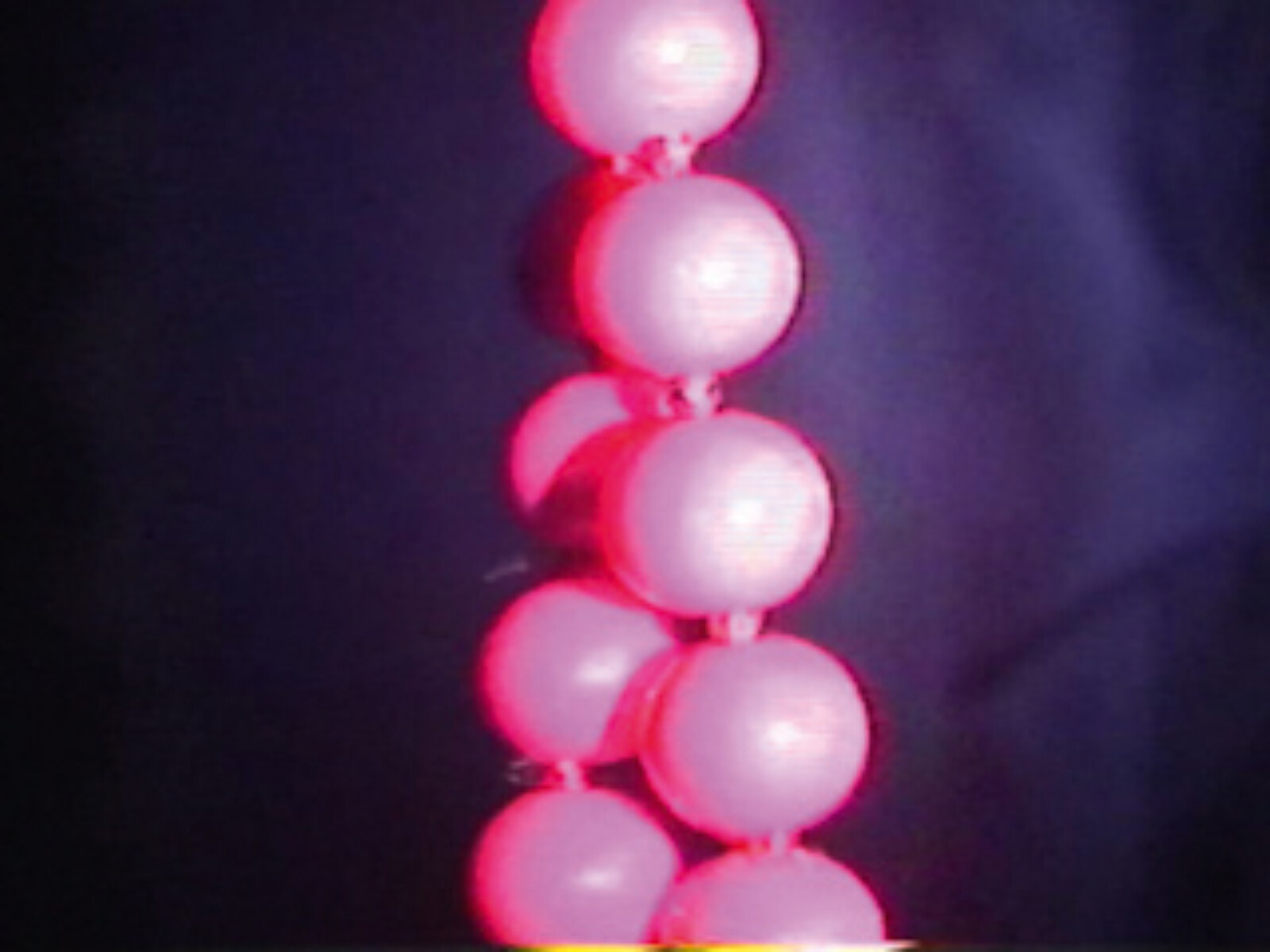
Just sketches. I rediscovered my drawing of the pink bead necklace just before I created the series insects in plastic. These epoxy cubes contain a tiny LCD screen on which a single short clip plays on a continuous loop. The bead necklace can be seen on one of these screens, and the scale of the screens reminded me of a bead or talisman. I wanted to turn ‘the digital image’ into something you can carry with you, put in your pocket, or string together.
LA
I saw you asking yourself somewhere: “Is there an opening, is there a path into my work?” I would say: you are showing us the way yourself – the path to new ways of looking between worlds.
FVS
I see strings of pearls made up of your discoveries and memories, and sometimes mine too,
a hall of mirrors full of reflections,
a key ring with a photo,
a trouser pocket with a playing card,
a mobile phone with flash memory,…
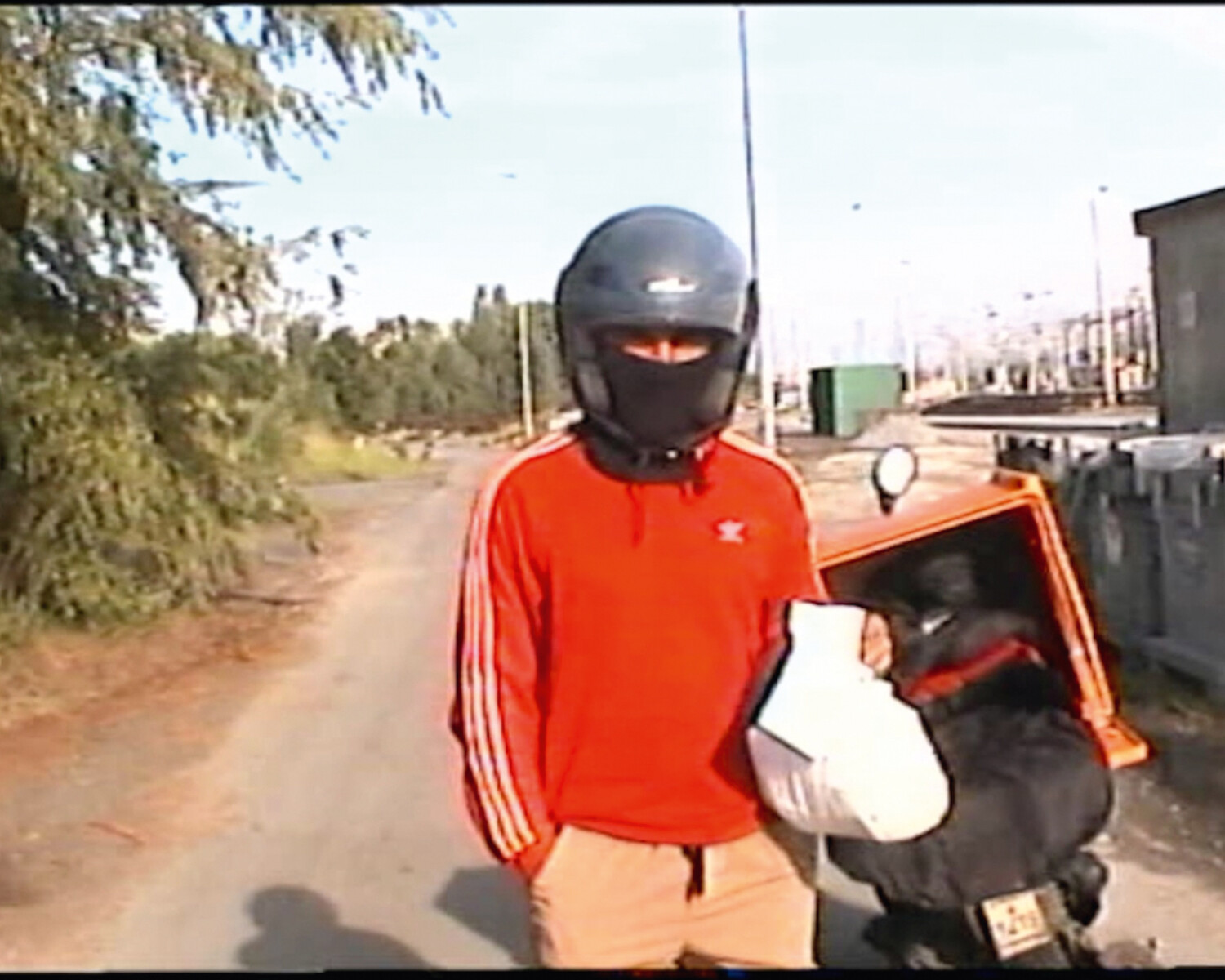
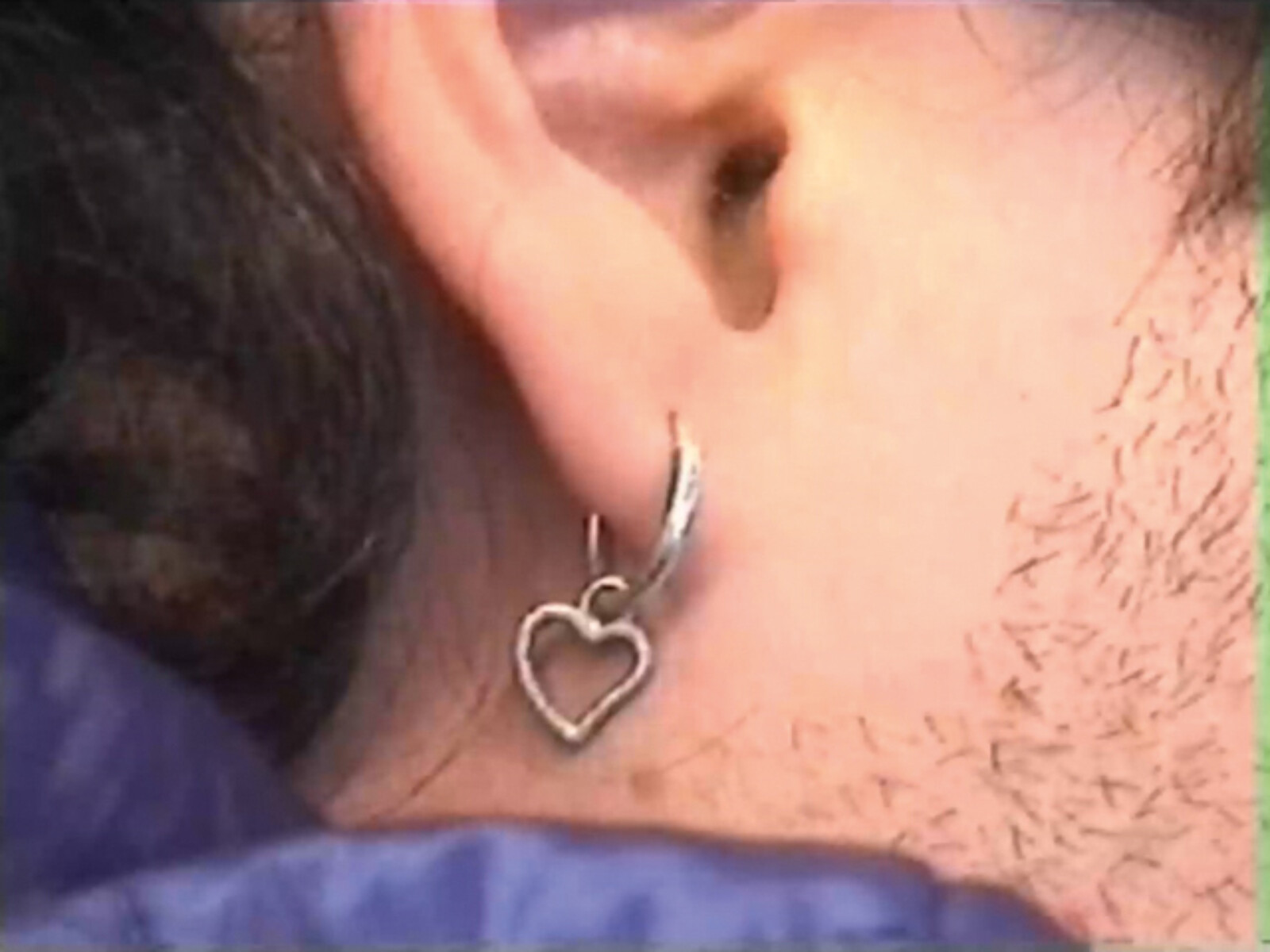
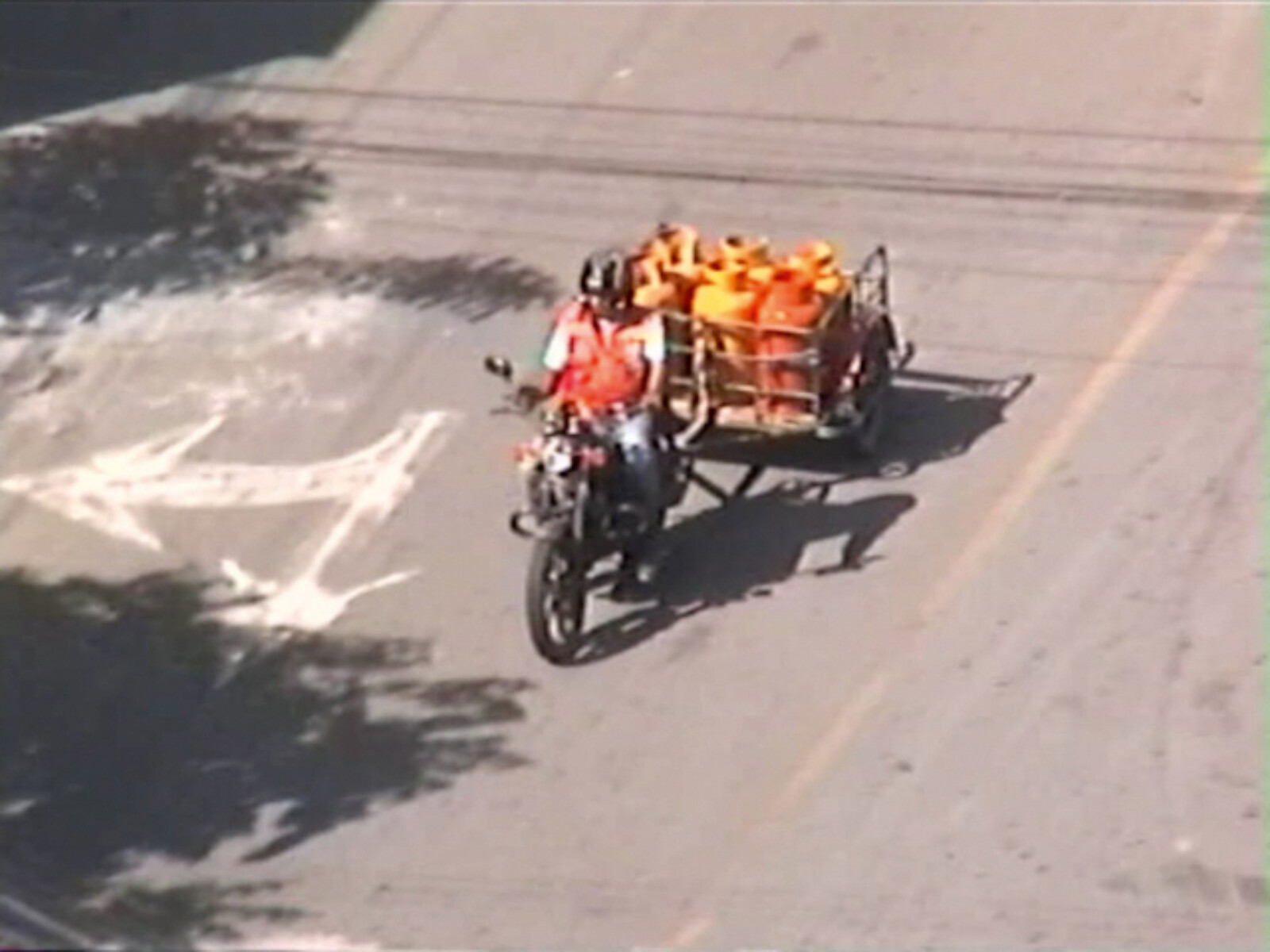
The containers fill up slowly, almost invisibly, and are taken along on the journey. Whether stuck on or tipped out, they form temporary assemblages of subtle fragments of reality to look at. Then you’ll see us gladly becoming participants, part of that which lies between your pavement and my tarmac, hangs in her ear and their mouths, echoes horizontally and hangs vertically in the room.
“You draw a string of pearls... Each one of those circles equals one action. But here's the thing. Every action has the same value. I am the person that puts the next pearl on the string. That’s it.”
Psychologist Phil Stutz’s The String of Pearls tool is one way of looking at your work and, by extension, at life. Every action holds equal value. This is what your work does – it points to all actions as equally important elements in the creation of.
text: Liene Aerts
photos: Flore van Sparrentak