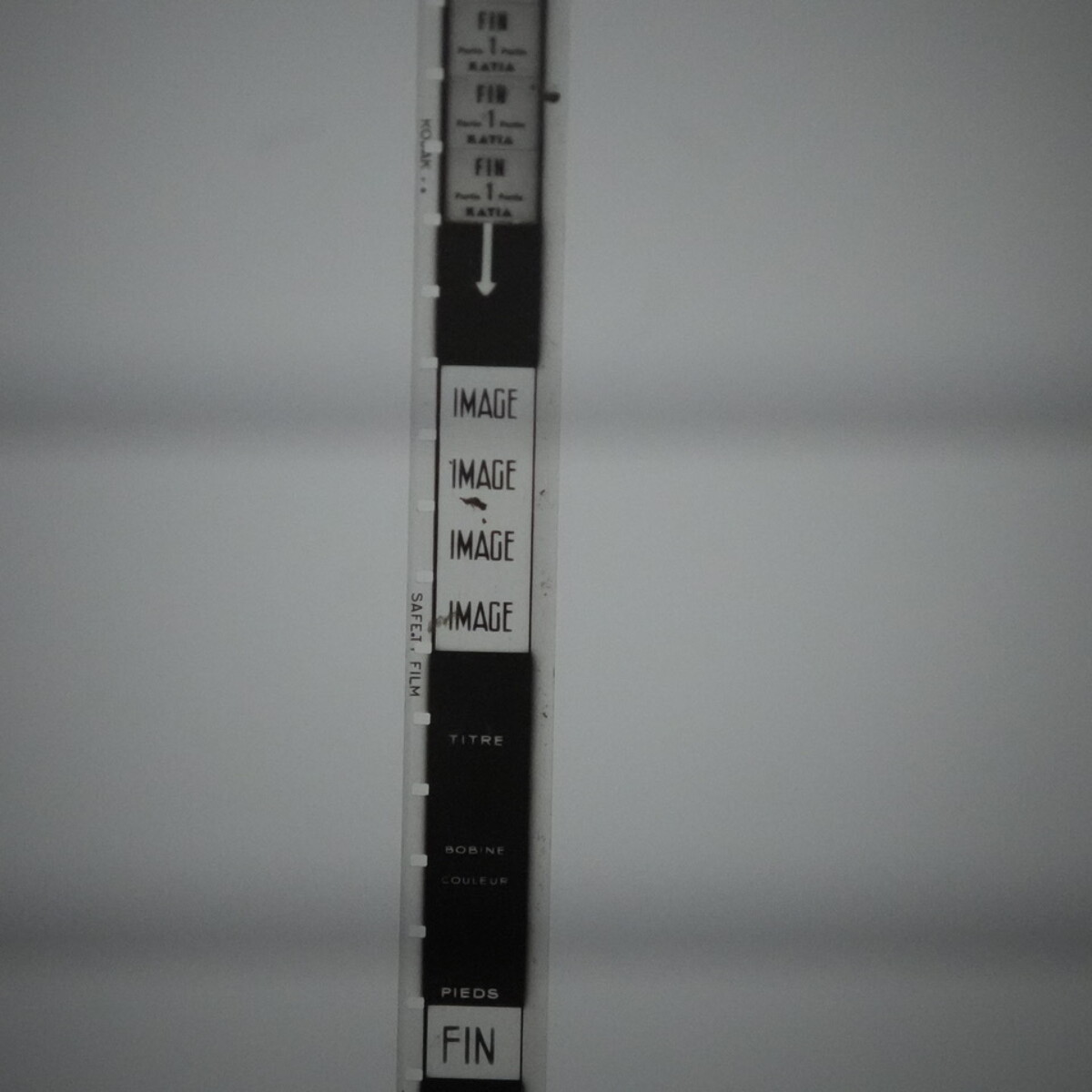

This research project investigates a previously unindexed collection of 130 Zionist propaganda films, produced between 1947 and the late 1980s in Palestine/Israel, and circulated internationally, with a particular focus on their distribution in Belgium. Created by Zionist institutions such as the United Israel Appeal, these 16mm films deploy cinematic styles of their time — ranging from Italian Neorealism to American musical films — to cultivate international support for Zionist settler-colonial expansion. Their narratives assert Jewish superiority, erase Palestinian presence, and mobilize sexism, racism, orientalism, and class hierarchies to hide or normalize dispossession, segregation, and militarized violence. Through close viewing, the project traces how the films transform colonial aggression into imagery of progress, humanitarianism, and national flourishing, shaping European imaginaries and influencing political alignments that continue to reverberate today.
Drawing on positionalities as artists raised within Zionist education systems, the project approaches the archive as both a harmful historical apparatus and a site requiring accountability. We ask how an archive can be rendered visible without reproducing its violence; what forms of responsibility audiences and descendants of implicated communities bear; and how radical editing can produce counter-narratives. The project methodology unfolds in three phases: (1) indexing the films and the film handling materials; (2) contextualization through cross-analysis, historical reconstruction, and mediated screenings; and (3) transformative re-editing that exposes ideological operations and reorients the archive toward decolonial critique. The project culminates in a publication, contextualized public programs, and a feature-length film that reassembles archival material to challenge Zionist narrative formations and propose practices of cinematic accountability.