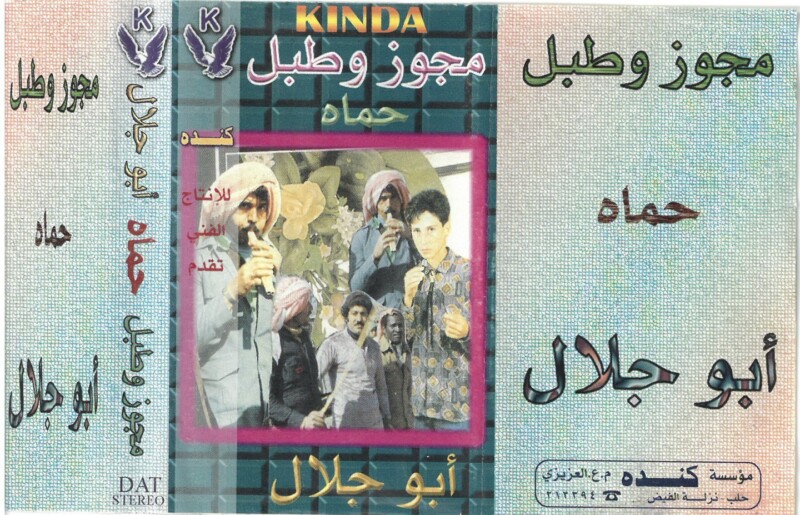

‘Transnational Solidarity: On political ecologies, circulations, and cine-tactics’ looks at the body of films that were made within social and political struggles around the world, thinking of the patterns, strategies of production and cinematic aesthetics that this interaction between ideology and image making produces, not only in terms of histories but also of context, considering how we can deal with this heritage today.
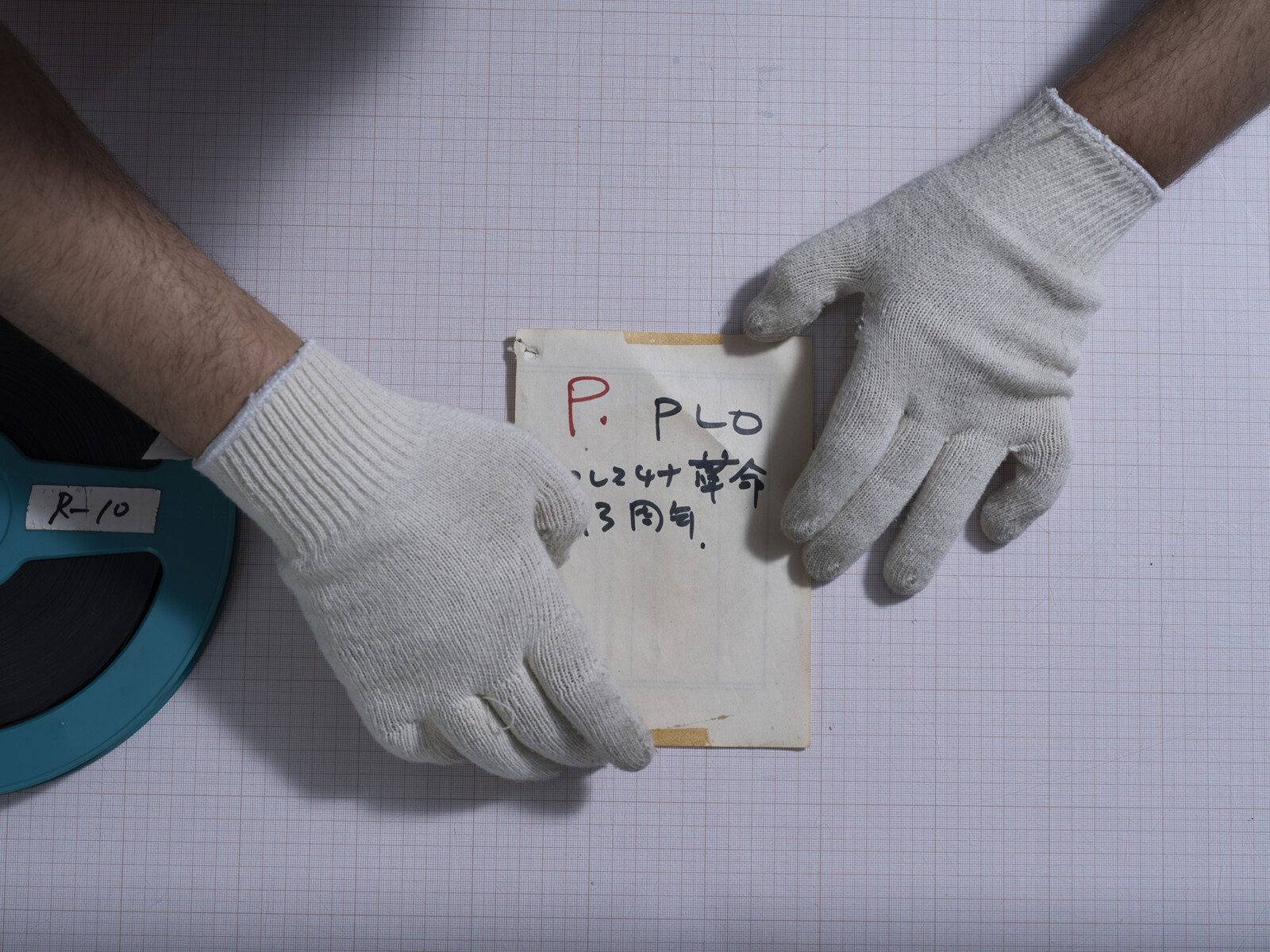


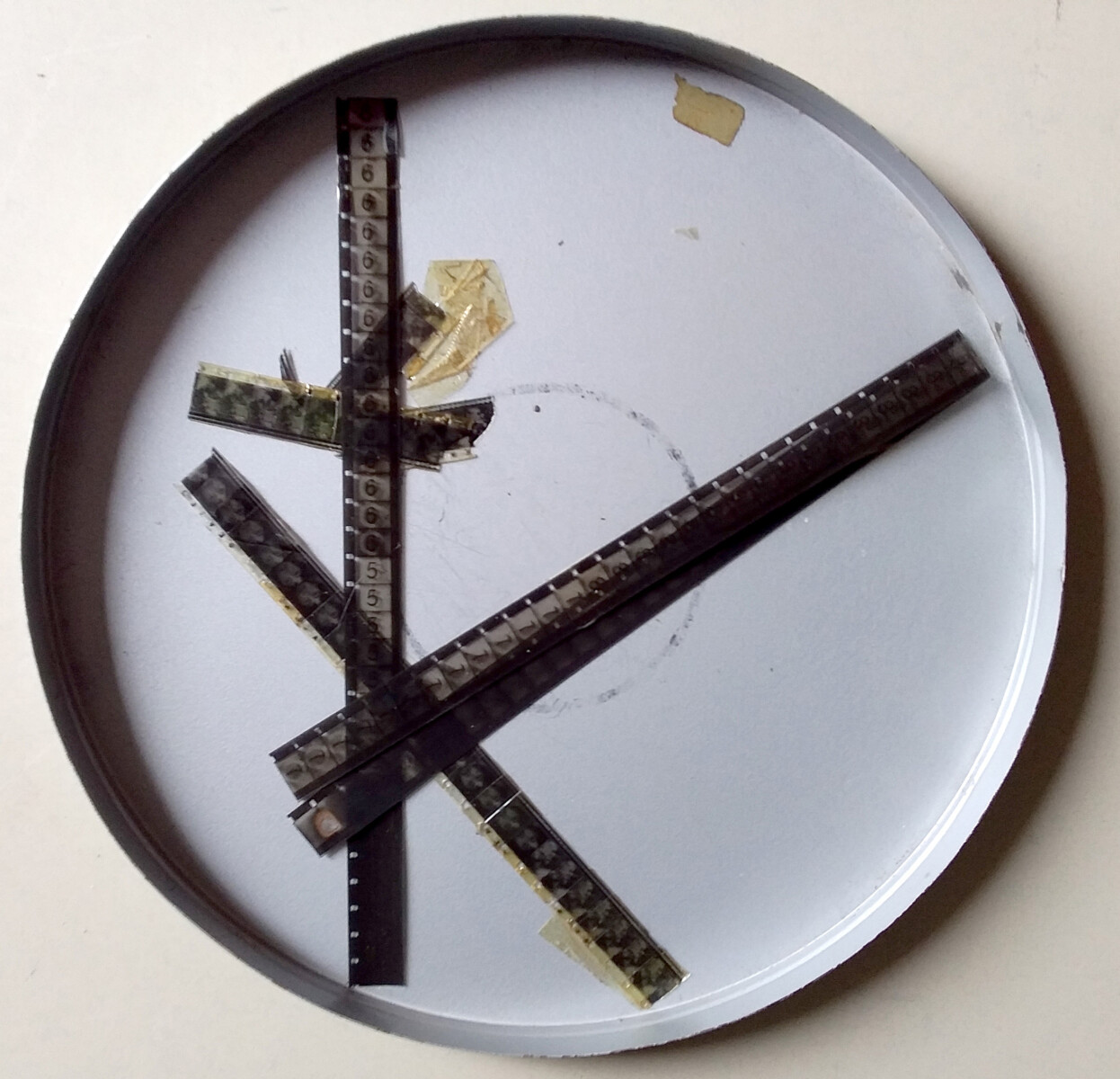
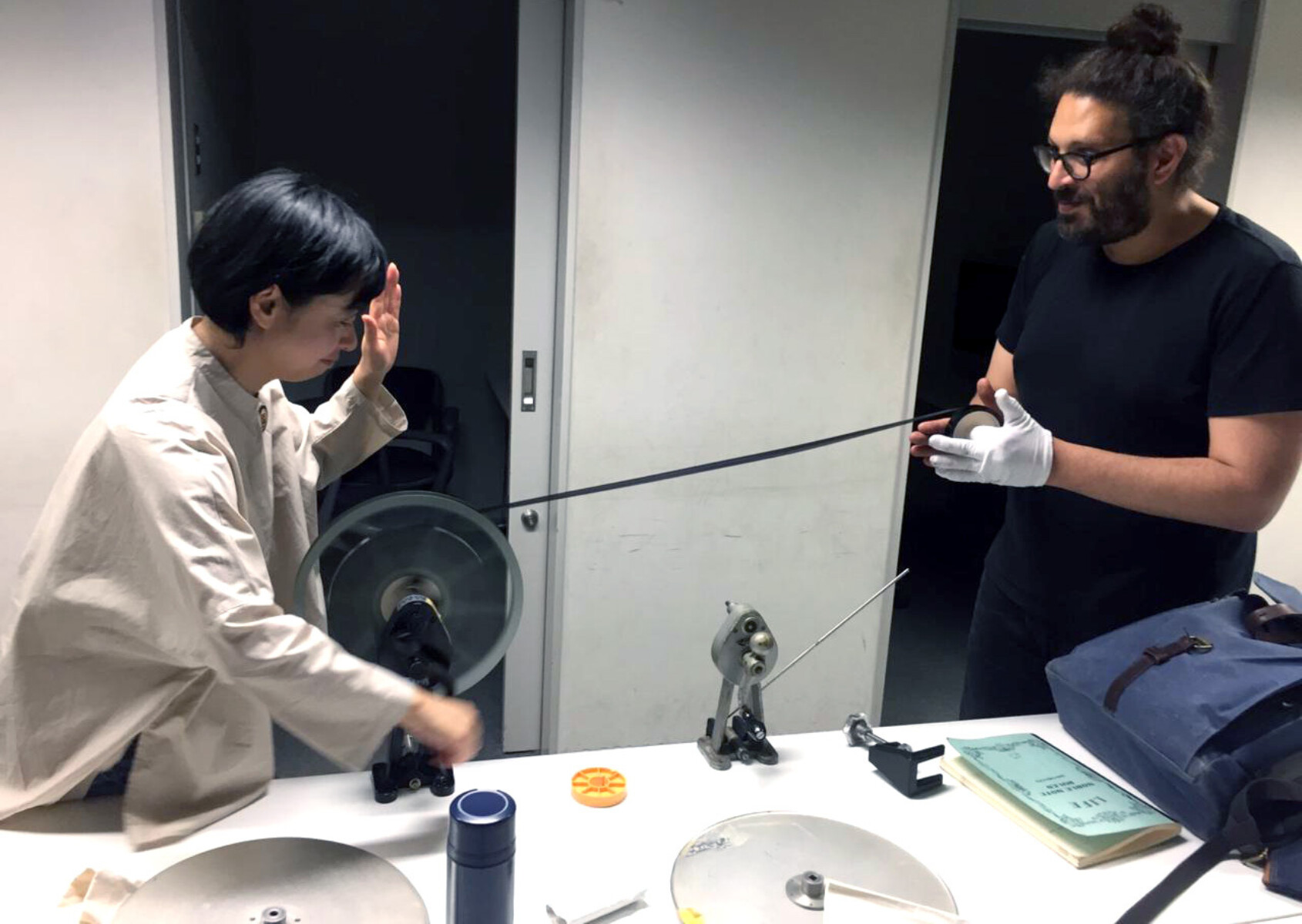

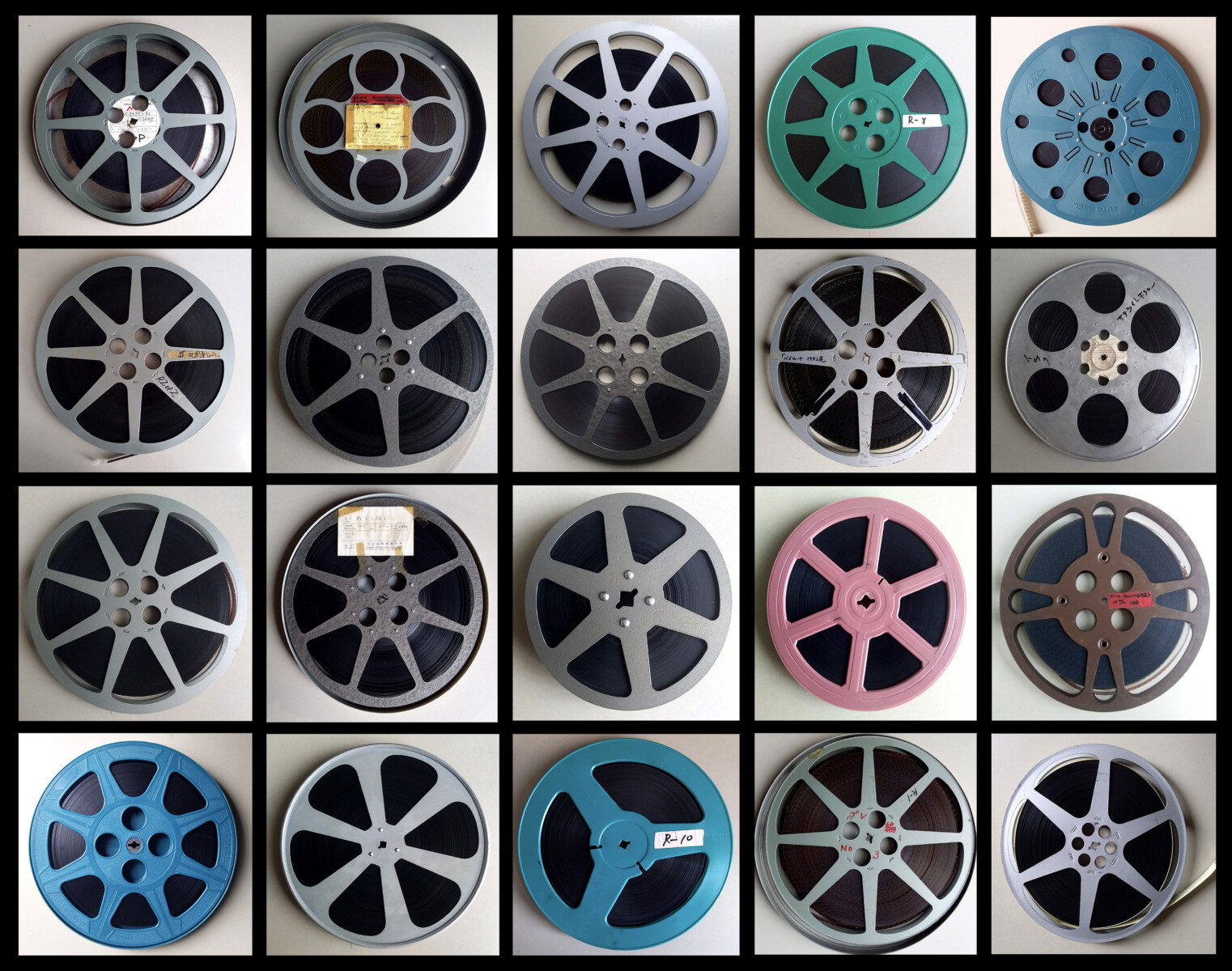
Ecologies of Transnational Solidarity Cinema
 Jocelyne Saab Revisited, KASKcinemafilmAgendaArtistic activitiesOnderzoek
Lebanese journalist and filmmaker Jocelyne Saab is known for her politically engaged films, which she made during a career spanning from the 1970s until her death in 2019. With more than forty titles to her name, Saab brought the untold stories of the Arab world to the screen and gave a voice to marginalised and oppressed communities. During this evening, we revisit her combative yet nuanced oeuvre with two of her most powerful achievements.
In the short film Palestinian Women (1974), Palestinian women resist the Israeli occupation of their land through education and armed resistance. With Letter From Beirut (1978), Saab returns to Lebanon, where she directs herself in a poetic narrative that questions the creeping continuation of the conflict. She then leaves for South Lebanon, which is occupied by Israel. There, for the first time since the start of the civil war, she documents the Palestinian resistance at the border.
This evening takes place in the context of the book Jocelyne Saab: Inventory 1973–1983 (2024), about the rise of left-wing political movements, armed revolutions and public struggle in the Arab world. The screening will be followed by a Q&A with authors Mohanad Yaqubi, Mathilde Rouxel and Elettra Bisogno.
Cloquet
Godshuizenlaan 4
9000 Gent
 Mohanad Yaqubi, Mathilde Rouxelresearch presentationAgendaOnderzoek
Mohanad Yaqubi and Mathilde Rouxel launch the publication Jocelyne Saab: Inventory 1973–1983 at Sharjah Art Foundation in the UAE.
Delve into the path-breaking filmography of Jocelyne Saab with editor and researcher Mohanad Yaqubi and Mathilde Rouxel, an Arab cinema researcher and film programmer. This talk is being held in conjunction with the launch of Yaqubi’s publication Jocelyne Saab: Inventory 1973–1983, which reflects on the emergence of political film production and the broader context of Saab’s work from 1973 to 1983. The conversation will be preceded by a screening of two of Saab’s films—South Lebanon: The Story of a Village Under Siege (1976) and Les Femmes palestiniennes [Palestinian women] (1974).
Mohanad Yaqubi is one of the founders of Idioms Film, an arthouse production company established in Ramallah in 2004. He is also a member of Subversive Film, a curatorial collective focused on researching and redistributing militant cinema from Palestine and beyond. Since 2017, he has been a lecturer and researcher at KASK School of the Arts, Ghent. His first feature film,Off Frame AKA Revolution Until Victory (2016), premiered at Toronto International Film Festival, Berlinale, Cinéma du réel, Dubai International Film Festival and Carthage Film Festival. His second feature, R21 AKA Restoring Solidarity (2022), debuted at documenta fifteen, IDFA, Marrakesh Film Festival, True/False Film Fest and Melbourne International Film Festival.
Mathilde Rouxel specialises in the history of cinema in Arab countries, particularly resistance cinema since the 1960s. She is the artistic director of the Aflam Festival, Marseille, and the Franco-Arab Film Festival, Noisy-le-Sec. She has written and edited several publications on the work of Jocelyne Saab, with whom she worked during the last years of Saab’s life. She is also co-founder of the Jocelyne Saab Association and the Archive Circulation Initiative, which raise awareness about the challenges of preserving film heritage and share technical knowledge related to film and analogue technology through research and training workshops in Arab countries.
Al Mureijah Square, Sharjah
UAE
 [cancelled] Christina Hazbounresearch presentationAgendaOnderzoek
Due to personal circumstances, the listening session of Christina Hazboun is cancelled.
From November 2024 onward, the research cluster The Art of Resonance – The Resonance of Art is organising a series of informal listening sessions with international artists and researchers, with an eye (and ear) to cultivating a sonic sensibility and relationality.
Christina Hazboun
Christina Hazboun is a Sonic Agent, surfing soundwaves in search of ear-gasms, exploring music and sound in space, time and society. Her multifarious adventuring through music and sound manifest through an intersectional web of activities aimed at amplifying the voices of the underheard from the SWANA and the global majority via poetic and research based texts, audio/sound collages, workshops, and curation with a focus on music industries, gender diversity and digital connectivity. Her main sphere of activity focuses on increasing the appearance and audibility of new sounds and music from West Asia, North Africa and the global south sharing hybrid, diverse and powerful voices with those who come with an open ear.
i.c.w. artistic researcher Mohanad Yaqubi's research project Transnational Solidarity.
Cloquet
Godshuizenlaan 4
9000 Gent
 The Myriad of Faces of the Future Challengers (2022), KASKcinemaresearch presentationfilmAgendaArtistic activitiesOnderzoek
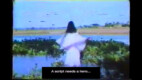
For this fourth edition of ‘Archives in Dialogue’, members of Jakarta-based collective Forum Lenteng are invited. They research and produce films on the history of Indonesian cinema and in particular film production during the Suharto New Order regime (1966-1998).
In 1966, General Suharto seized power in Indonesia and remained self-proclaimed ‘father of the Indonesian people’ until 1998. This reign was overshadowed by an anti-socialist attitude with atrocities against his opponents. Suharto called his regime, which vehemently opposed communism, socialism and Islam, the ‘New Order’ (Orde Baru). He underpinned his vision of history with a series of propagandistic films, some of which were compulsorily shown in schools and broadcast annually on TV.
It is high time for a renewed look at New Order cinema, preferably through the slightly ironic glasses of Yuki Aditya and I Gde Mika, who, with The Myriad of Faces of the Future Challengers, still manage to find hints of subversion and dissonance in the craziest places. The film is rigorously constructed with YouTube material, because that is the true memory and cinematic history of a country that has little interest in anything lofty like film history. Every blurry image in this film is an attack on forgetfulness.
Archives in Dialogue, organised by KASKcinema i.c.w. Film-Plateau and KASK & Conservatorium's Archival Sensations cluster, is a space for reflection on archival practices, art and memory. This event is part of Mohanad Yaqubi's research Aesthetics of Transnational Solidarity Cinema at KASK & Conservatorium.
i.s.m. Film-Plateau
Cloquet
Godshuizenlaan 4
9000 Gent
 Cinema as Assemblyresearch presentationAgendaOnderzoek
With Forum Lenteng, Marinho de Pina (Mediateca Abotcha), La Voix des sans papiers de Bruxelles in collaboration with Mieriën Coppens and Elie Maissin, Marwa Arsanios, Massimiliano Mollona, Bojana Cvejić, Elettra Bisogno, Lara Khaldi, Elhum Shakerifar, Subversive Film and Robin Vanbesien.
In a time of genocides and authoritarian crises, how can contemporary cinematic practices align with and support political imaginations striving for social justice and antifascist liberation? How do they help us rehearse these imaginations? Cinema as Assembly is a three-day study circle that invites the public to come together – as an audience, as thinkers and as makers – to explore cinema’s potential as both a method and medium that can help rehearse collective organisation, militant imagination and liberatory transformation.
Grounded in a relational geography of translocal struggles, imaginaries and resources, this study circle brings together film collectives from diverse locations (Jakarta, Malafo, Palestine, Lebanon, Brussels, and beyond) and with different cinematic practices. What insights emerge when they share their tools and methods for creating decolonial, speculative and collaborative narratives and methodologies in cinema?
The Cinema as Assembly study circle is co-conceived by Robin Vanbesien, Subversive Film, and Grégory Castéra as part of the World Histories of the Commons programme at KANAL-Centre Pompidou. It builds on the Ciné Place-Making study circle developed by Vanbesien in 2022 at Kaaistudios.
See the full programme and reserve your tickets
- Robin Vanbesien explores modes of embodied knowledge and collective imagination engaged in social and political struggles. Through the notion of ciné place-making, he acknowledges the capacity of cinema to preserve, reclaim, and redistribute invisibilized memories, histories, and lived cultures, using a cinematic language that probes beyond the prevalent scenes of representation. He collaborates with situated emancipatory grassroots movements, exploring cinema as a space for social gathering and political engagement that rehearses the capacity to hold space collectively. In 2020, Vanbesien co-founded The Post Film Collective, which explores cinema as a form of speculative rehearsal and communal assembly. ‘Under These Words (Solidarity Athens 2016)’ (2017) and ‘the wasp and the weather’ (2019) premiered at transmediale and Cinéma du Réel. His first feature ‘hold on to her’ had its world premiere at Berlinale Forum Expanded (2024).
- Subversive Film is a cinema research and production collective that aims to cast new light upon historical works related to Palestine and the region, to engender support for film preservation, and to investigate archival practices. Their long-term and ongoing projects explore this cine-historic field including digitally reissuing previously overlooked films, curating rare film screening cycles, subtitling rediscovered films, producing publications, and devising other forms of interventions. Formed in 2011, Subversive Film is based between Brussels and Ramallah.
Supported by the Flanders Audiovisual Fund (VAF) of the Government of Flanders x Robin Vanbesien’s doctoral research Ciné Place-Making at Sint Lucas Antwerpen Research Group (SLARG) & Antwerp Research Institute of the Arts (ARIA) x Mohanad Yaqubi’s research Aesthetics of Transnational Solidarity Cinema/ Archival Sensations Cluster at KASK & Conservatorium
O.L.V. Van Vaakstraat 81
1000 Brussel