Ward Albert, Xander Decraecke, Liam Gyselinck, Michiel Vandenameele
The transfer of a piece of history
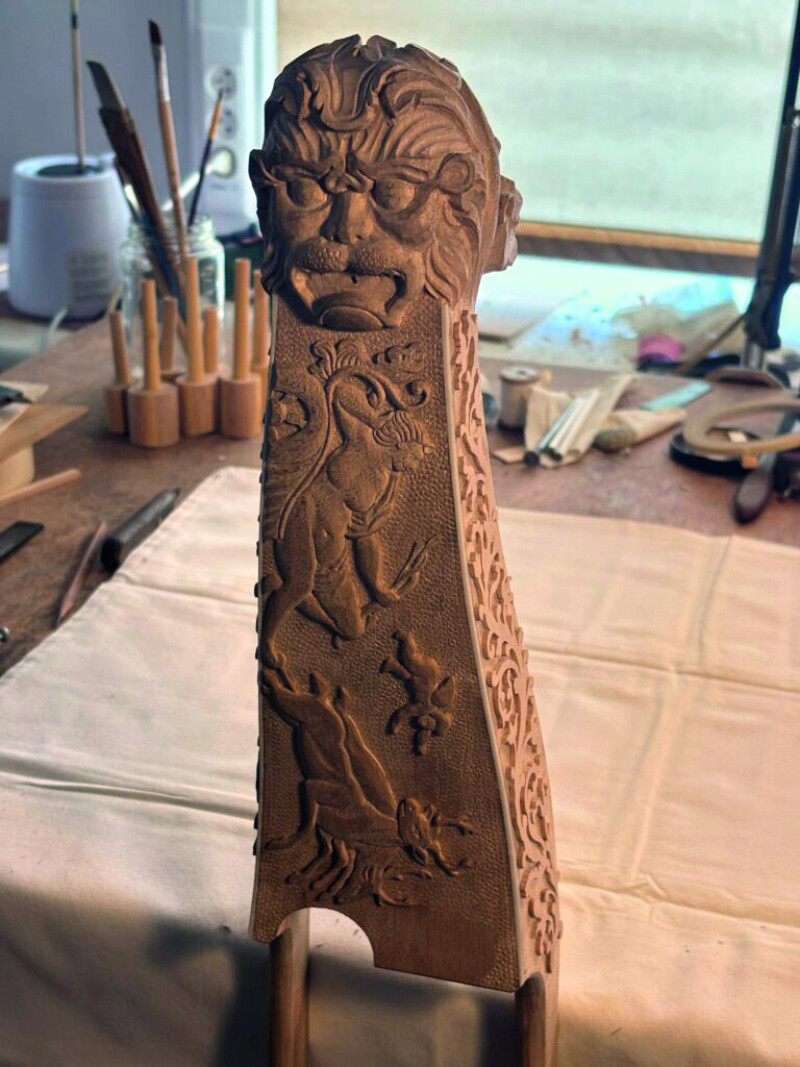
Teacher Frank Hollinga talks to the four graduating master's students in musical instrument making. The coffee is ready, the wood shavings are swept off the table, and Michiel, Liam, Ward, and Xander join the conversation.
Frank Hollinga
Why did you choose historical instruments? Why not a modern electric guitar or a black lacquered piano?
Michiel Vandenameele
My interest in historical instruments is something that has grown over time. I chose instrument making as a way to combine my previous education in wood technology with my passion for music. As I progressed in this field, my fascination for historical instruments only grew.
Liam Gyselinck
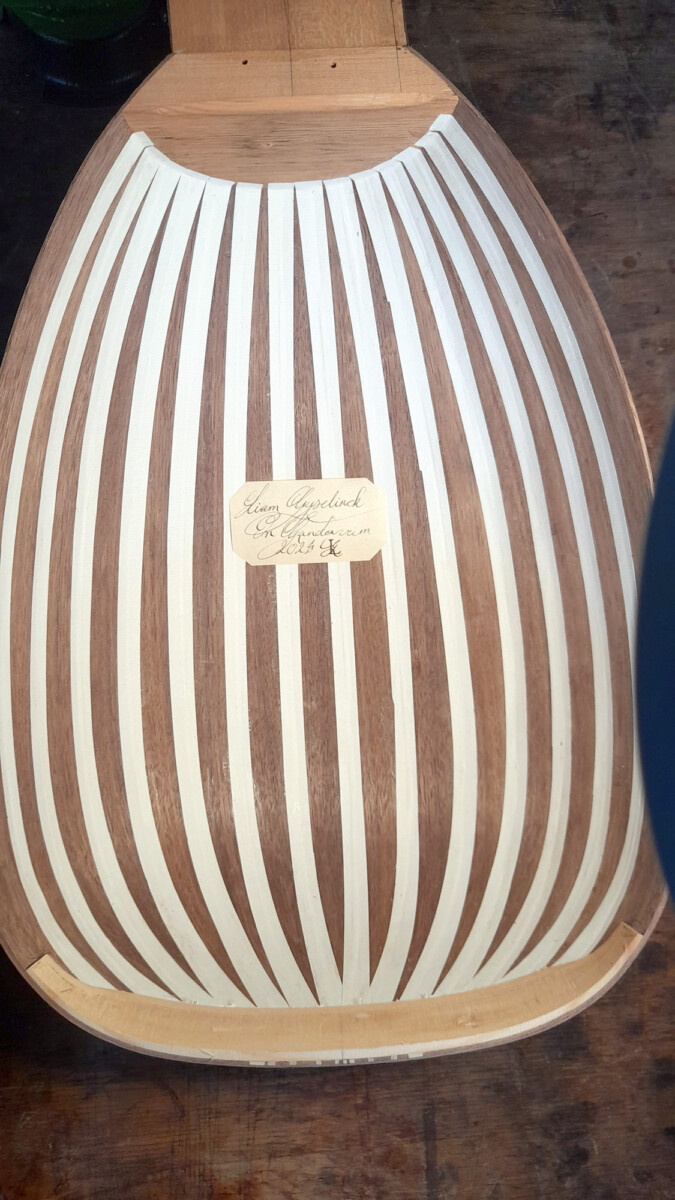
I was already studying classical guitar. From there, I developed a keen interest in historical plucked instruments such as the lute and the theorbo.
Xander Decraecke
For me, the choice of historical instruments stems from a fascination with the process itself: discovering, learning and continuing to practise with a genuine passion. At the moment, our interest lies in these specific sound worlds or construction methods, but that does not mean it will always be that way. Just as a painter's style can change over time, our artistic preferences can also evolve and take new directions.
FH
What is it about historical instruments and crafts that fascinates you so much?
LG
For me, the beauty of practising an ancient craft is the transfer of a piece of history that might otherwise have been lost.
XD
What intrigues us is researching historical instruments and attempting to bring them back to life in the spirit of their original makers. It is not so much about every scratch, wood fibre or exact thickness, but about the whole: the soul of the instrument and the sound that connects with a particular musical tradition. These discoveries are invaluable and at the same time offer a playful source of inspiration to translate into our own, more contemporary creations.
FH
Where does that interest stem from?
Ward Albert
I'm not so sure about that. Perhaps my interest developed during my education? When you acquire certain knowledge, you automatically start to look at things differently. You learn to appreciate them in a new way. And when I make something entirely by hand, I get more satisfaction out of it myself.
XD
Music is the art form that resonates most deeply with me. Although I am not a musician myself, I find my way through my hands: by creating, building, giving. In this way, I can give something back to this art form. At the same time, I nurture my own mental well-being. For me, working with wood has a healing power for the soul. Those who surrender to it will be amazed by the power and tranquillity it holds.


FH
Isn't it difficult to place yourself in a zeitgeist that has long since ceased to exist?
WA
Certainly. The world of historical instrument making is relatively small, and all kinds of crafts seem to be gradually disappearing. I am convinced, however, that there will always be a number of experts in this field.
LG
Of course, it is impossible to transport yourself 100% into a different era. However, I have always done my best to imagine what techniques the historical builders had at their disposal.
FH
Do you now view the crafts and arts of the
past differently?
WA
With a little more knowledge, perhaps. Understanding how many hours go into making a traditional instrument, especially in the back when these instruments were first made, that does affect your perception of them. You also learn about the expertise and ingenuity of craftspeople, especially when you look at and use antique tools.
FH
What instruments are still on your
wish-to-build-list?
MV
In the future, I would like to recreate the entire collection of Flemish instruments from the MIM (Musical Instrument Museum, Brussels). Mainly because the Delin is part of that collection.
LG
I am most looking forward to building the Viola da Mano, a project I am undertaking together with my classmate Ward Albert. The Viola da Mano is an Italian instrument that often appears in paintings, but of which no original examples remain. In a project like this, Ward and I can combine our different areas of expertise as bow and pluck string instrument makers.
XD
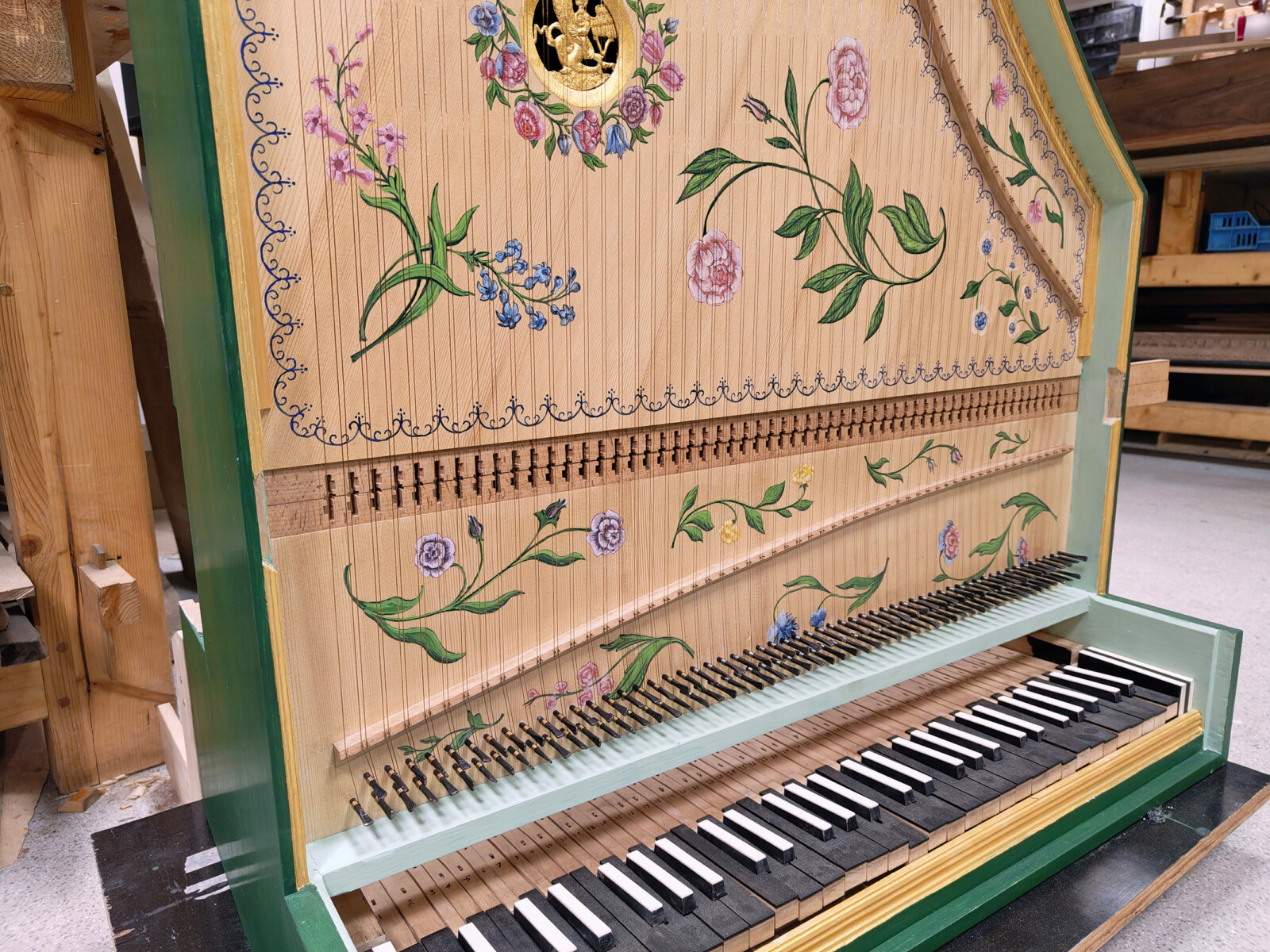
Within my specialisation, guitar building, I have a wealth of aspirations. In recent years, I have acquired some particularly valuable and inspiring instruments, especially within the Romantic tradition and the old Spanish style for classical and flamenco guitars. I would particularly like to explore and delve deeper into the often underappreciated Spanish Romantic period. The Baroque guitar also attracts my attention, as does a future project with a friend and colleague: building an arpeggione.
FH
Any plans for the future?
MV
Building up capital so that it is possible to start my own studio.
LG
The first item on my agenda is, of course, to build my own workshop so that I can start building at a steady pace.
XD
My business is gradually taking shape: a website, cards, and, most importantly, new instruments that are coming to life in the workshop. In addition, I am planning masterclasses and internships so that I can deepen my own learning process and share my experiences at the same time. For me, the future is a journey in which craftsmanship and personal growth go hand in hand.

Text: Frank Hollinga
 ExhibitionexpoAgendaArtistic activities
Spread out over the Bijloke campus, you can discover the work of students in photography, graphic design, autonomous design, fine arts, textile design, fashion, musical instrument making, interior design, landscape and garden architecture, landscape development, digital design and development, curatorial studies, educational master in audiovisual and visual arts and the educational master in music and performing arts.
Fri, Sat, Sun, 12:00 – 20:00
 film and animationfilmAgendaArtistic activities
Our audiovisual arts master students will project their final works into the world during the avant-premières at Sphinx Cinema on 24 June. You can book tickets here.
Later, from 26 to 29 June, we will repeat the films at KASKcinema. Admission is free, no need to make a reservation.Sint-Michielshelling 3
9000 Gent
9000 Gent
 Fashion and textileeventAgendaArtistic activities
Fashion students from KASK & Conservatorium present their graduation projects during 2 shows in the Floraliënhal.
From 20 to 21 June, you can visit the exhibition of fashion and textile design students at the same venue.
You only need to buy a ticket for the shows on Saturday 21 June, the exhibition is free to enter.
Citadelpark
9000 Gent
21.06.25
 MastersoundsconcertAgendaArtistic activities
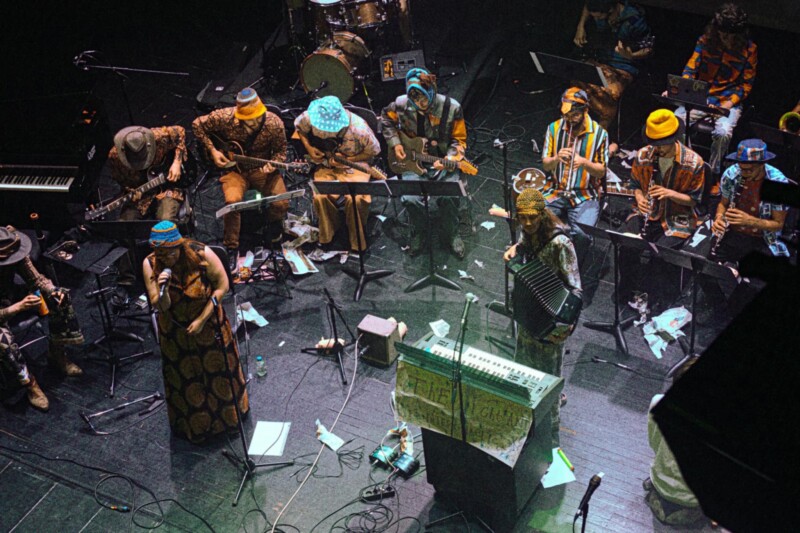
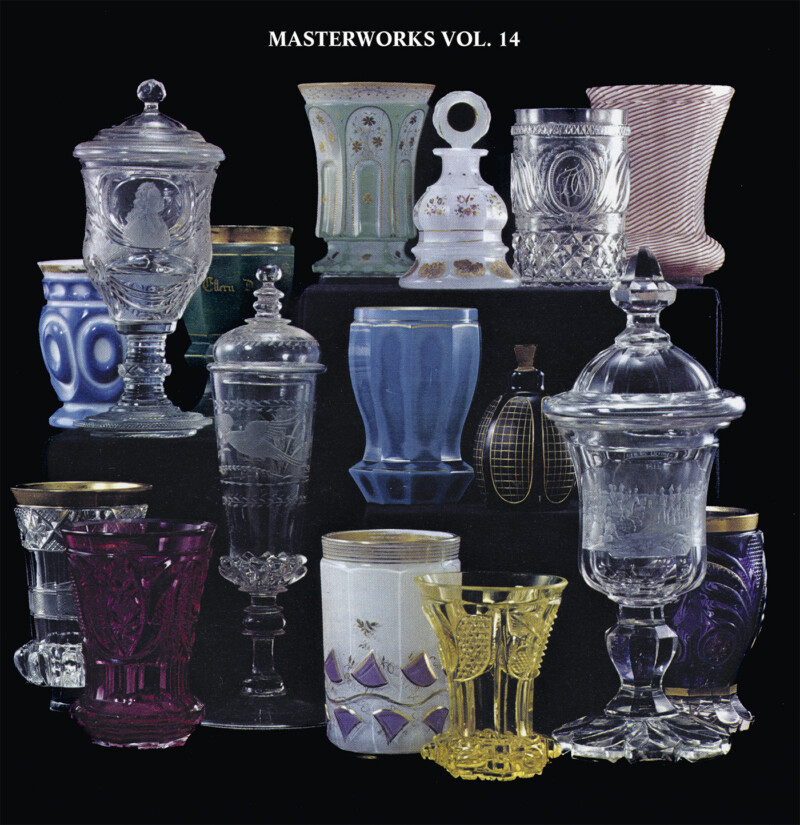
Mastersounds is known among connoisseurs as the holy grail of up-and-coming musical talent. During this festival, part of Graduation 2025 at KASK & Conservatorium, graduating students in jazz, pop and music production present their own projects. Between 16 and 25 June 2025, they will shake the foundations of the Minard theatre and De Centrale. They were preceded by Ramkot, Balthazar, Tomàn, Senne Guns, Douglas Firs, Nordmann, Amatorski, Faces on TV, Shht... In addition, every year we celebrate the birth of the new Masterworks LP, a compilation album that brings together all that talent. Get your copy at the festival.
Romain Deconinckplein 2
9000 Gent
Ham 70
9000 Gent
 Drama, KASK DramadramaAgendaArtistic activities
During the Drama Festival, drama master’s students present their graduation work. Offbeat and classical drama, crossovers, performances and multidisciplinary work can be seen at de Kazematten, CAMPO, Minard and Arsenaalsite. The Drama Festival runs from 14 to 21 June 2025.
 Classical music, MIRY Concert hallconcertAgendaArtistic activities
Our classical music students hone their skills until they are ready for their exam recitals. You can attend this joyous occassion, as the exam concerts of master’s students of classical music and composition are open to the public. Postgraduates musical performance practice will also spoil your ears. All concerts take place in our very own MIRY Concert Hall.
 For some time I’ve been standingexpoAgendaArtistic activities
For some time I’ve been standing is an exhibition curated by curatorial studies 2024-2025 participants that takes place at the Old House, Kunsthal Gent from May 30 to August 31, 2025.
Bringing together works by Chupan Atashi, Manon de Boer, Michael Kleine, Brigitte Louter, a workshop by Emma Ydiers and a performance by Astrid Specht Seeberg, the exhibition sets out to trace gestures of rehearsal, repetition, and return, exploring what it means to pause, to stand still, or to remain in motion.
By entering into dialogue with the fresco on the back wall of the Old House, the artworks reiterate its significance as a palimpsest — responding to, echoing and reimagining it. Immediately drawing the gaze, the fresco tends to direct a body’s movement in the space. Between the other white walls, it attracts the eye, inviting it to wander over its worn, bodily surface, to follow the contours of the gaps and cracks, to glide over the smooth areas and to acknowledge its most vulnerable parts.
The exhibition takes its title from a passage in Kathy Acker’s 1993 novel My Mother: Demonology, “For some time I’ve been standing, in front of a white stucco wall, on a white road that is raised above all the surroundings and the dirt underneath, as though it’s a platform. All around me are masses of luggage, suitcases and bags”. Integral to Acker’s writing is the process of rewriting and reinterpreting, often plagiarising other sources as her own. This reflects the impetus of the exhibition to enter into conversation with the fresco on the back wall of the Old House, reiterating its significance as a palimpsest with artworks that respond, echo, and reimagine.
Accessibility statement
For some time I’ve been standing is located in the Old House, which is wheelchair accessible through the main entrance, if accompanied. Michael Kleine’s “Plateau” is only accessible via stairs, but is available in video format that can be accessed by scanning the QR code on the wall next to the work. Feel free to speak to a staff member if you need help. General exhibitions at Kunsthal Gent do not currently have an audio guide. However, the volunteers do give explanations to those who want and a room plan is available at the entrance. During opening hours, you will find visual signage to the different areas of Kunsthal Gent. Do you have any questions/remarks or would you like more information on the accessibility of Kunsthal Gent? Please feel free to contact us at info@kunsthal.gent.
Lange Steenstraat 14
9000 Gent
 articleLees, kijk, luistereducation Prize winners
 newsLees, kijk, luistereducationstudents interior design in distance education Graduating in distance education
 articleLees, kijk, luistereducationstudents landscape and garden architecture The answer is already present in the landscape.
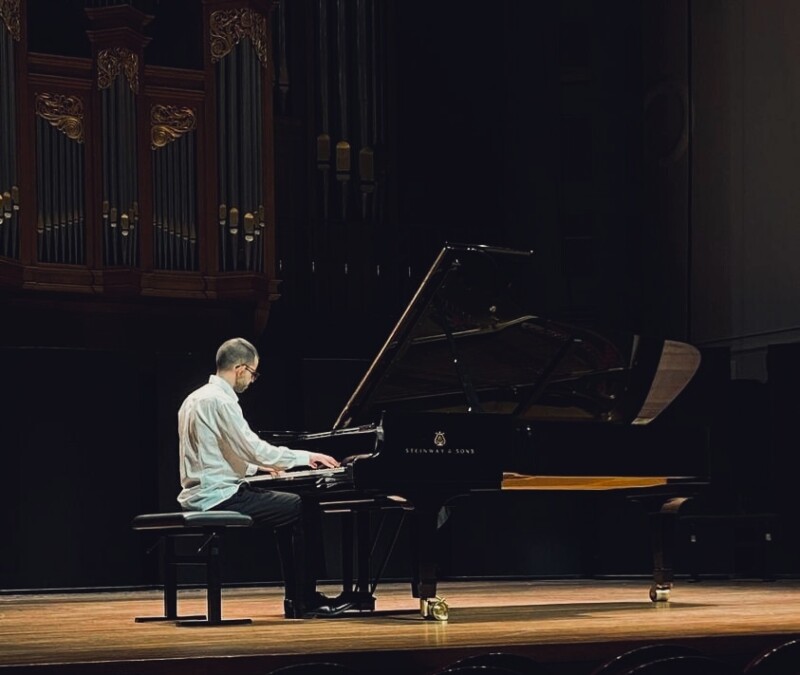
 articleLees, kijk, luistereducationstudent classical music The piano is never far away
 articleLees, kijk, luistereducation Drama Masters 2025Evelyne Coussens and Simon Van Schuylenbergh in conversation about the graduation performances
 articleLees, kijk, luistereducationstudent photography Who Am I Without You Mister Man?
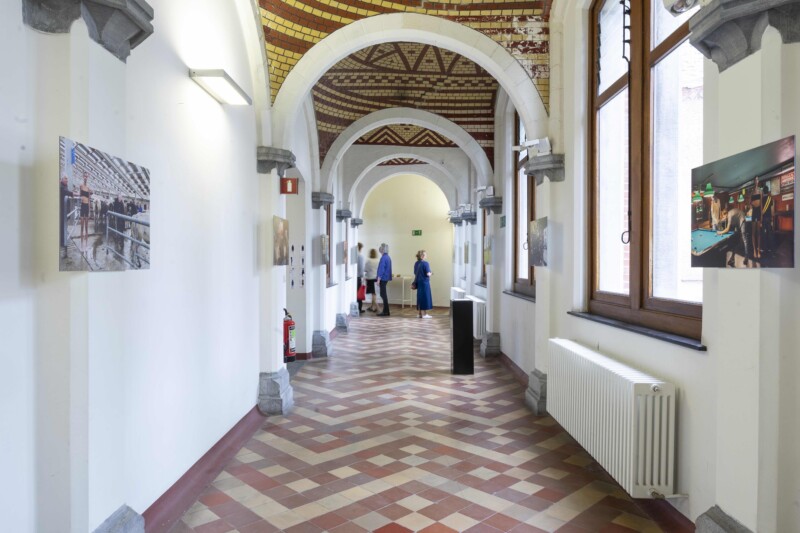 articleLees, kijk, luistereducationstudent graphic design emese veszely, master of graphic design
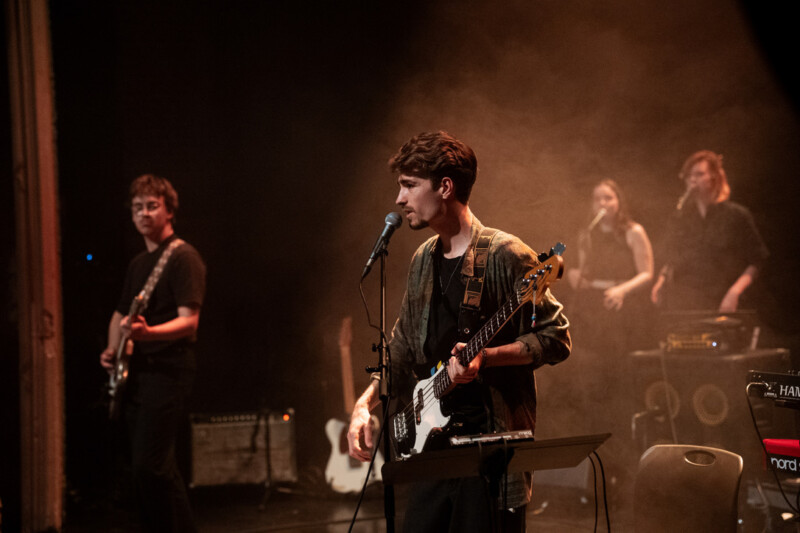
 articleLees, kijk, luistereducationstudent jazz & pop About a feral child and a bass guitar
 articleLees, kijk, luistereducationstudent film As far as we imagine
 articleLees, kijk, luistereducationstudent music production A producer has to be a jack-of-all-trades
 articleLees, kijk, luistereducationstudent autonomous design The Sock Puppet Screaming Choir & The Craftivist Analmanac Vol. 1
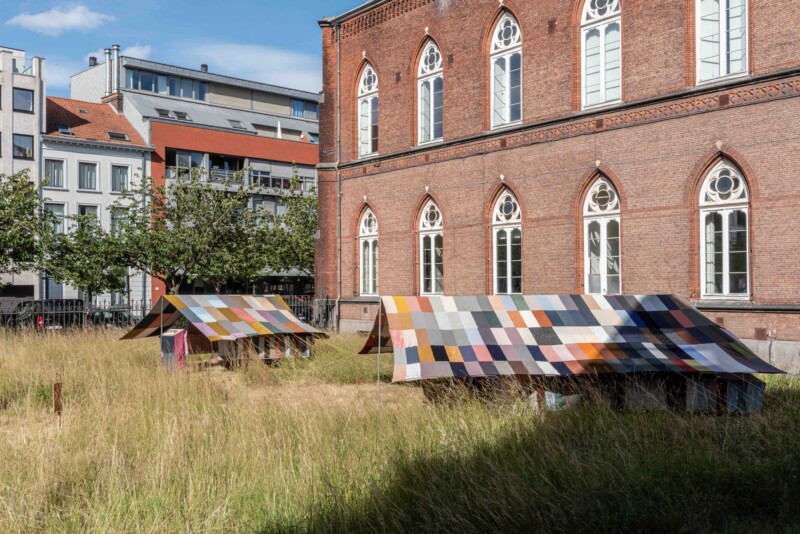 articleLees, kijk, luistereducationstudent fashion being
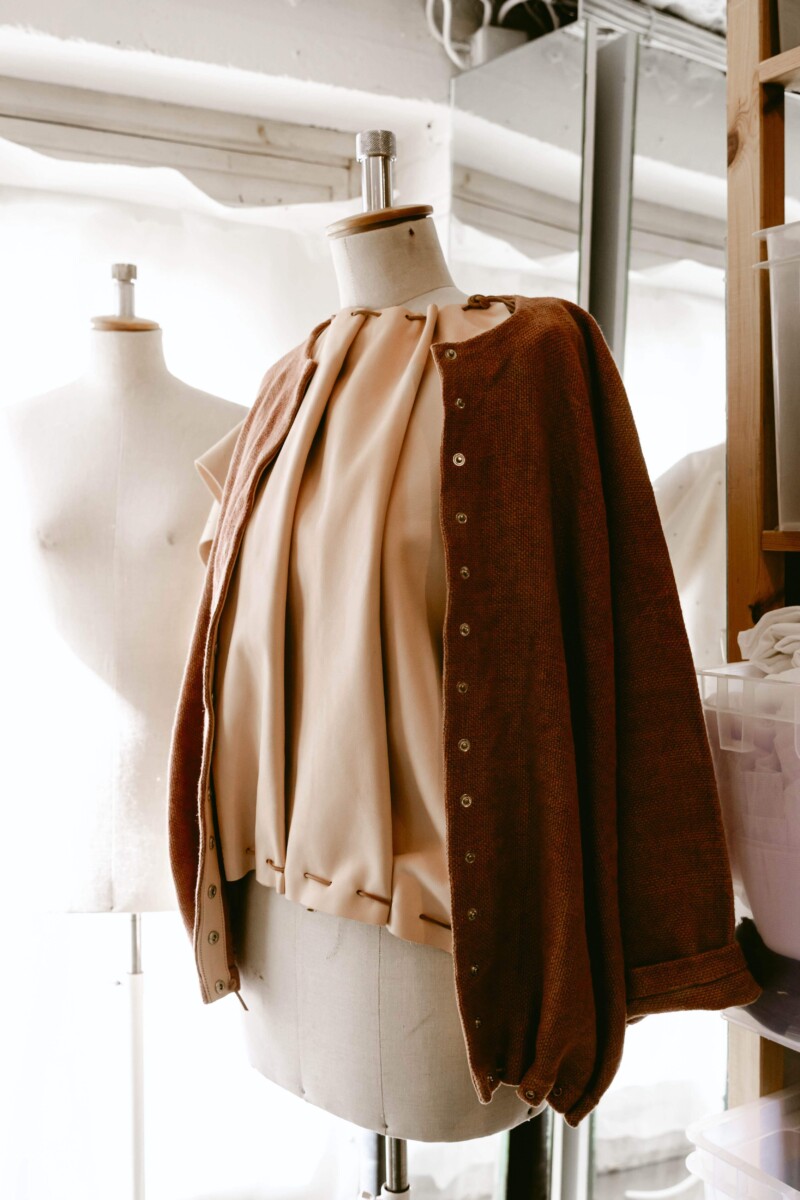 articleLees, kijk, luistereducationstudent animation film Overripe
 articleLees, kijk, luistereducationstudent jazz Alver
 articleLees, kijk, luistereducationstudent fine arts Film Titel Proposition; Einmalig
 Lees, kijk, luisterstudent jazz & pop The Light and His Intergalactic Stars
 articleLees, kijk, luistereducation Masterworks Vol. 14
 publicationLees, kijk, luistereducation