A collective search for the lived experience of dress
In fashion theory, the body is often treated as a silent final destination. A passive mannequin for an aesthetic design. But what happens when we leave the abstract and seek the friction of the act of dressing?
I met artist Iva Aga in a busy café in Brussel, armed with my research Extending the Body and a set of cards I made specifically for our first encounter. Iva’s research—much like her graduation work at KASK & Conservatorium—focuses on the corporeal and performative activation of clothing. She views garments not as static objects, but as entities that only come into existence through the movement and sensory experience of the wearer. Our practices overlap in a shared frustration: the “hallucinatory” lack of (academic) sources documenting the actual, corporeal experience of wearing clothes. How it actually feels to inhabit a garment.

I brought the set of five physical cards, each featuring a keyword that entails the overlap between our research: Activation, Friction, Imprint, Extension, and Carrying. I wanted to use these cards as tactile prompts, not to impose my definitions on her, not to have a question-answer conversation, but to see how her physical practice would rearrange or even reject my theoretical framework.
Iva’s reaction was immediate and intuitive. I asked her to rank them by their emotional and physical resonance. She was drawn to Activation as a starting point the most, found Friction to be an essential necessity for awareness, and challenged my use of Extension, preferring the term “interaction” to describe the dialogue between skin and cloth.
To document this gathering of minds, we moved from the café to a shared digital document the week after. In the silence of a video call, accompanied only by the rhythmic tapping of our keys, we performed a series of writing experiments designed to bridge the gap between our practices. We didn’t interview each other again; we allowed our voices—mine historical and societal, Iva’s physical and sensory—to clash and merge. First through a visceral ‘COLLISION’ and secondly through ‘A SHARED VOCUBULARY .’
EXERCISE ONE: COLLISION
During our first encounter, we talked about several everyday acts of dressing that carry a hidden weight. For our writing session, I selected two of these acts to serve as a shared site for our collision: the industrial closure of a zipper and the ceremonial placement of a hat. We wrote in parallel, observing how the same movement triggers vastly different reflection
The act of fastening a zipper.
To zip up is to “suit up.” If we view the zipper as a liminal space (the literal line between the skin and the world) then the act of fastening it is the most honest moment of the day. It is where we decide how much of ourselves we are willing to “fasten down” to be understood by others. As a queer theory freak, I think of the zipper as a tool of both armor and agency. It enforces the “fit” of gendered garments, locking the wearer into a socially sanctioned shape.
The act of fastening a zipper.
Fastening. Fasten. Fast. One would think it’s the fastest way to put on a pair of pants or close a jacket. But I can choose to take my time. I can choose to hold the cold metal slider in between my fingers, for as long as I desire. Sometimes, when you leave your house in the morning and it’s cold and frosty your heart starts beating faster and you start breathing louder because you just can’t seem to insert the pin in the box at the stop of the zipper. Is it wrong to say that I anticipate and secretely like the choque you get from a zipper getting stuck in your hair or skin. No it is not.
The act of putting on and off a hat.
Historically, the hat was the ultimate marker of “decency.” As a non-binary person hatmaker, donning a traditional men’s hat is an act of reclaiming the legible self. It makes my identity readable. This agency stands in contrast to the patriarchal history of the object. Where men removed their hats indoors as a sign of respect, women were literally pinned down, marked as decoration. To remove a hat is to expose the messy reality of the head, the sweat, the unstyled hair, a forced de-masking. When rules demand the removal, they often demand the erasure of carefully constructed identity, reducing the wearer to just a body, stripped of its chosen armor.
The act of putting on and off a hat.
In truth I don’t often put on a hat. My curly, frizzy hair peeking out from under every hat. But actually a pity, once again blinded and blocked by the visual outcome. The act of lifting a hat, held firmly in both hands, reaching above your head with both arms and then dropping the hat perfectly perpendicular to your head is peculiar. It's like giving yourself a pat on the back. It's so nice to let some weight rest on your head sometimes. It calms and silences me. It's like a hug for the brain. Wearing a hat allows you to stop thinking for a moment. Personally, I think you should be allowed to stop thinking for a moment when you're wearing a hat. Next time, I'll allow myself to do that.
EXERCISE TWO: A SHARED VOCUBULARY
Moving from these specific, physical collisions, we realized that our shared vocabulary needed a place to land. The cards I had brought to the café—originally featuring my own theoretical interpretations of Iva’s practice—served as our initial anchor. But through dialogue, it became clear that these terms couldn’t remain my ‘theories’ alone; they had to be lived in.
So to ensure this text wouldn’t just be my ‘guess’ at her research, we decided to rewrite them together. We didn’t want to define them as they appear in a dictionary, but as they exist in the moment of ‘dressing.’ What follows is our first attempt at mapping actions that bridges our research.


ACTIVATION is not just putting on a garment; it is the moment when…
people’s hands work raw materials, processing them into larger movable surfaces, ironing, drawing, cutting into different shapes. Sewing, knotting, wrapping those surfaces (‘fabric’ of course but… we know there’s more)... and three-dimensional shapes always emerge in relation to the body. It is the moment in the morning. I lock eyes with the clothing pieces hanging in my closet. Running my hand through the clothes, making contact with different materials and textures. Trying to feel which piece I want to entrust my body to today. Of course, activation is practically effective in moments of movement. Wearing is a total process; dressing, moving, and undressing cannot exist separately; they are interdependent.
FRICTION is necessary because without resistance, the body…
becomes an echo of the garment rather than its inhabitant. In the tension of a seam or the constraint of a collar, the high-cut armhole that limits a gesture, the rigid waist that hush-hushes the breath; the invisible walls of decorum become physical. Friction within the act of dressing is the tactile reminder that your autonomy begins exactly where social expectation starts to pinch. The wearer is no longer merely ‘dressed’ but is actively negotiating their existence against the weight of the norm.

CARRYING is the emotional weight of history, but on a physical level, it feels like…
the transition from being the one who is carried (child) to the one who carries (adult). In our dialogue, we looked at the echoes of childhood—the passivity of being dressed by another—and the eventual shift of dressing oneself. As Sara Ahmed writes in The Killjoy Manifesto: “We begin to feel the weight of histories more and more; the more we expose the weight of history, the heavier it becomes.” Physically, to carry is to feel how a garment supports the back while simultaneously acting as a vessel for a human archive. It is the weight of where we come from, held up by the fabric of who we are becoming.
EXTENSION is often seen as a one-way street, but we find it is actually an interaction where…
we enact the world we are aiming for. By moving away from viewing ourselves as ‘deficient beings,’ we step over traditional dichotomies and embrace our status as prosthetic beings. Here, body extensions cease to be mere tools; instead, the body itself becomes a tool for transformation. This is where the garment talks back. It is a politics of movement where wearing becomes a manifesto in motion—a process of deconstructing our perceptions and untangling ourselves from destructive dynamics. Our extended bodies are not just dressed; they are archives of rebellion, (re)shaping every space they inhabit.
IMPRINT is the end of the chain; it is the ghost of the action left in the…
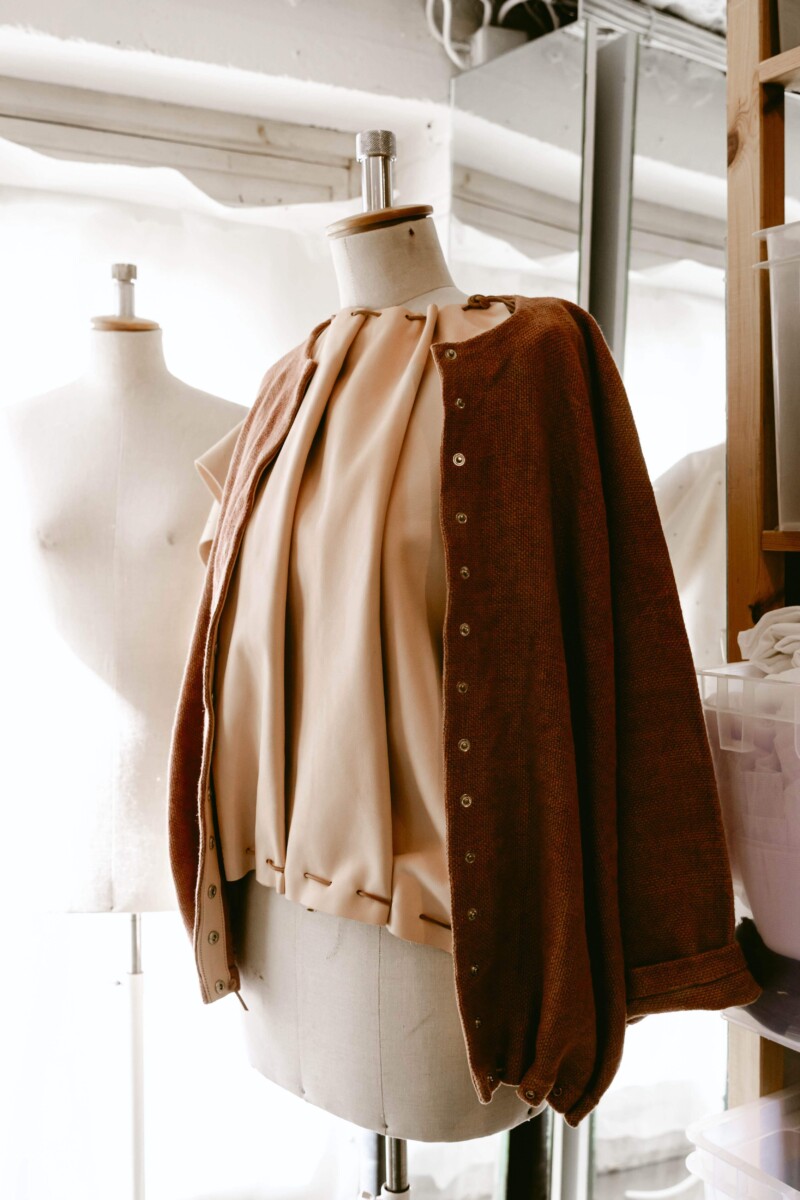
fibers long after the body has left. It is the physical memory of the day. The crease in an elbow, the scent trapped in a weave, the subtle stretch of a knee. If activation is the start of the life of a garment, the imprint is the evidence that a body was actually there. It is the archive of a lived experience, proving that the body and the dress have finally, irrevocably, met. It is the silent testimony of a body that refused to be just a mannequin.
Iva Aga is an interdisciplinary artist and researcher that graduated from KASK & Conservatorium in textile design (2024). Her research project “Workshop on Dress” explores the role of the body in making and wearing clothing and investigates how clothing and movement shape human experience.
Marthe Huyse is a transdisciplinary artist, graphic designer and editor based in Ghent. Their practice spans publishing, performance, and visual arts, with a focus on body representation and identity. They’re active in the Belgium-based collective Shif—t* and is currently finishing a hat design study program.text: Marthe Huyse & Iva Aga
 ExhibitionexpoAgendaArtistic activities
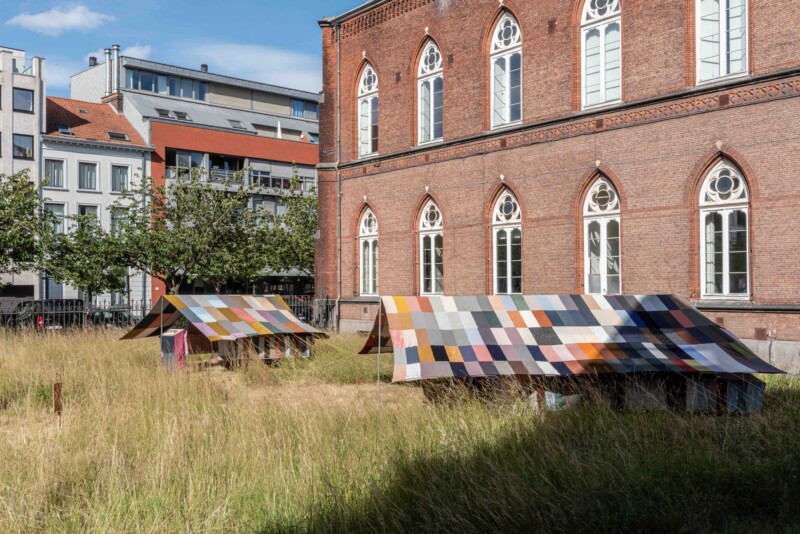
Spread out over the Bijloke campus, you can discover the work of students in photography, graphic design, autonomous design, fine arts, textile design, fashion, musical instrument making, interior design, landscape and garden architecture, landscape development, digital design and development, curatorial studies, educational master in audiovisual and visual arts and the educational master in music and performing arts.
Fri, Sat, Sun, 12:00 – 20:00
 film and animationfilmAgendaArtistic activities
Our audiovisual arts master students will project their final works into the world during the avant-premières at Sphinx Cinema on 24 June. You can book tickets here.
Later, from 26 to 29 June, we will repeat the films at KASKcinema. Admission is free, no need to make a reservation.Sint-Michielshelling 3
9000 Gent
9000 Gent
 Fashion and textileeventAgendaArtistic activities
Fashion students from KASK & Conservatorium present their graduation projects during 2 shows in the Floraliënhal.
From 20 to 21 June, you can visit the exhibition of fashion and textile design students at the same venue.
You only need to buy a ticket for the shows on Saturday 21 June, the exhibition is free to enter.
Citadelpark
9000 Gent
21.06.25
 MastersoundsconcertAgendaArtistic activities
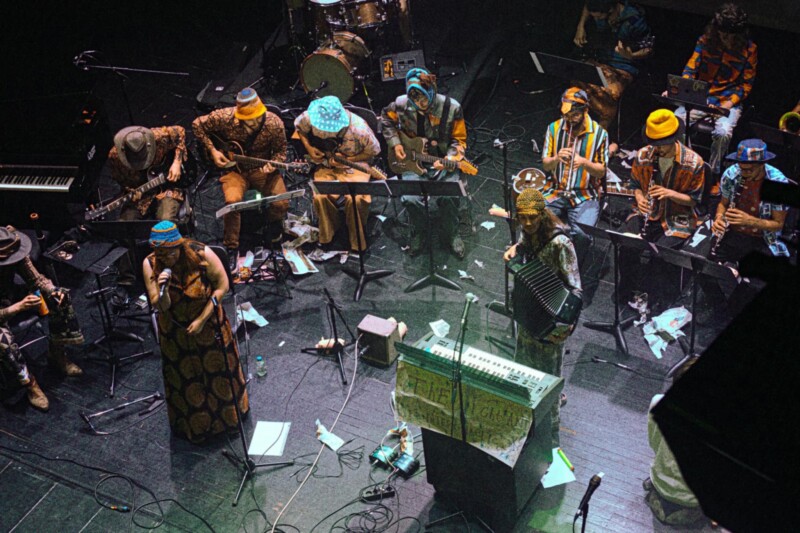
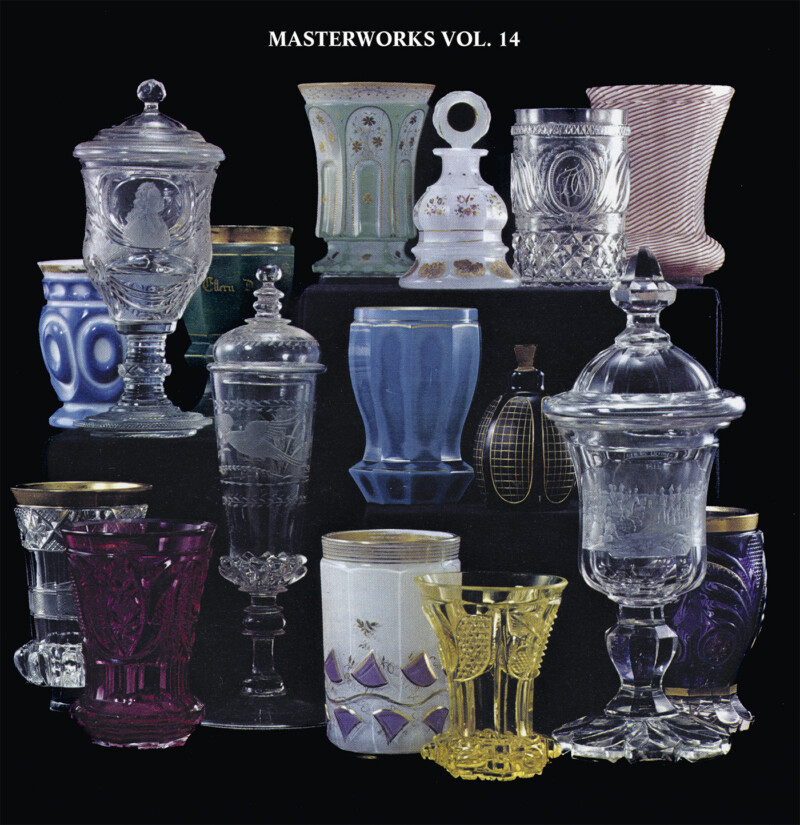
Mastersounds is known among connoisseurs as the holy grail of up-and-coming musical talent. During this festival, part of Graduation 2025 at KASK & Conservatorium, graduating students in jazz, pop and music production present their own projects. Between 16 and 25 June 2025, they will shake the foundations of the Minard theatre and De Centrale. They were preceded by Ramkot, Balthazar, Tomàn, Senne Guns, Douglas Firs, Nordmann, Amatorski, Faces on TV, Shht... In addition, every year we celebrate the birth of the new Masterworks LP, a compilation album that brings together all that talent. Get your copy at the festival.
Romain Deconinckplein 2
9000 Gent
Ham 70
9000 Gent
 Drama, KASK DramadramaAgendaArtistic activities
During the Drama Festival, drama master’s students present their graduation work. Offbeat and classical drama, crossovers, performances and multidisciplinary work can be seen at de Kazematten, CAMPO, Minard and Arsenaalsite. The Drama Festival runs from 14 to 21 June 2025.
 Classical music, MIRY Concert hallconcertAgendaArtistic activities
Our classical music students hone their skills until they are ready for their exam recitals. You can attend this joyous occassion, as the exam concerts of master’s students of classical music and composition are open to the public. Postgraduates musical performance practice will also spoil your ears. All concerts take place in our very own MIRY Concert Hall.
 For some time I’ve been standingexpoAgendaArtistic activities
For some time I’ve been standing is an exhibition curated by curatorial studies 2024-2025 participants that takes place at the Old House, Kunsthal Gent from May 30 to August 31, 2025.
Bringing together works by Chupan Atashi, Manon de Boer, Michael Kleine, Brigitte Louter, a workshop by Emma Ydiers and a performance by Astrid Specht Seeberg, the exhibition sets out to trace gestures of rehearsal, repetition, and return, exploring what it means to pause, to stand still, or to remain in motion.
By entering into dialogue with the fresco on the back wall of the Old House, the artworks reiterate its significance as a palimpsest — responding to, echoing and reimagining it. Immediately drawing the gaze, the fresco tends to direct a body’s movement in the space. Between the other white walls, it attracts the eye, inviting it to wander over its worn, bodily surface, to follow the contours of the gaps and cracks, to glide over the smooth areas and to acknowledge its most vulnerable parts.
The exhibition takes its title from a passage in Kathy Acker’s 1993 novel My Mother: Demonology, “For some time I’ve been standing, in front of a white stucco wall, on a white road that is raised above all the surroundings and the dirt underneath, as though it’s a platform. All around me are masses of luggage, suitcases and bags”. Integral to Acker’s writing is the process of rewriting and reinterpreting, often plagiarising other sources as her own. This reflects the impetus of the exhibition to enter into conversation with the fresco on the back wall of the Old House, reiterating its significance as a palimpsest with artworks that respond, echo, and reimagine.
Accessibility statement
For some time I’ve been standing is located in the Old House, which is wheelchair accessible through the main entrance, if accompanied. Michael Kleine’s “Plateau” is only accessible via stairs, but is available in video format that can be accessed by scanning the QR code on the wall next to the work. Feel free to speak to a staff member if you need help. General exhibitions at Kunsthal Gent do not currently have an audio guide. However, the volunteers do give explanations to those who want and a room plan is available at the entrance. During opening hours, you will find visual signage to the different areas of Kunsthal Gent. Do you have any questions/remarks or would you like more information on the accessibility of Kunsthal Gent? Please feel free to contact us at info@kunsthal.gent.
Lange Steenstraat 14
9000 Gent
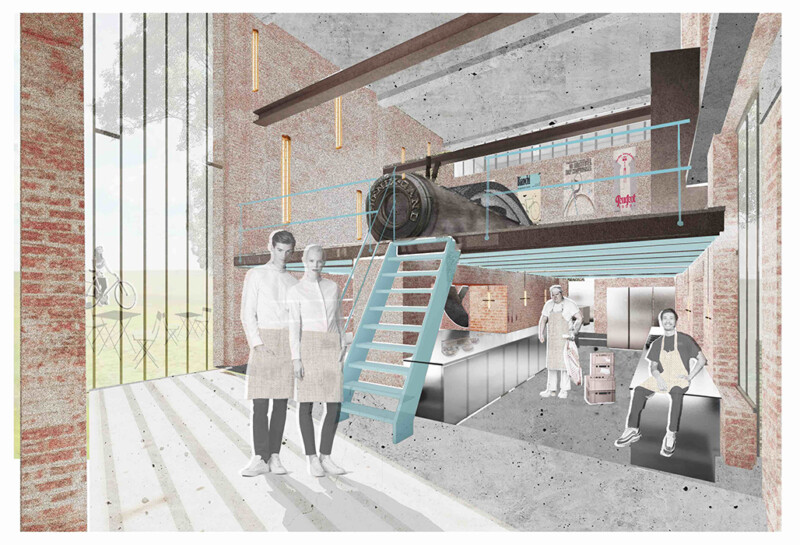
 newsLees, kijk, luistereducationstudents interior design in distance education Graduating in distance education
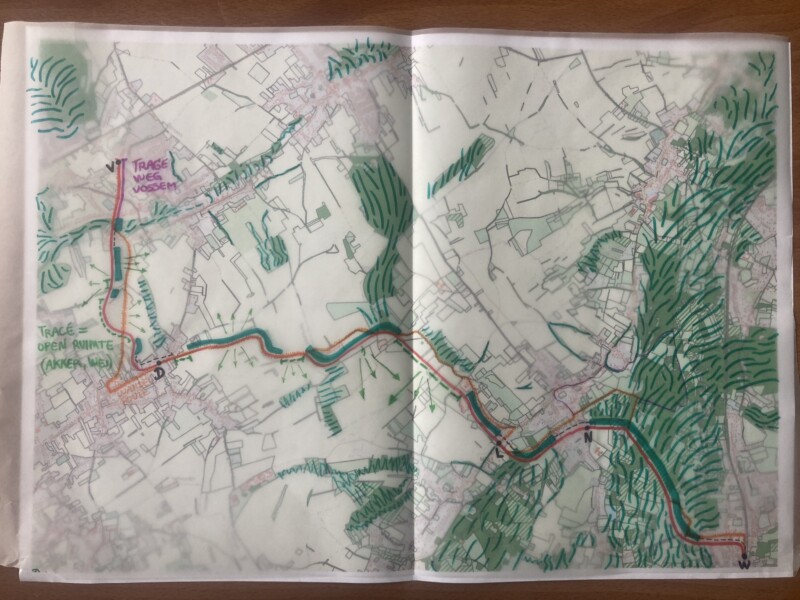
 articleLees, kijk, luistereducationstudents landscape and garden architecture The answer is already present in the landscape.
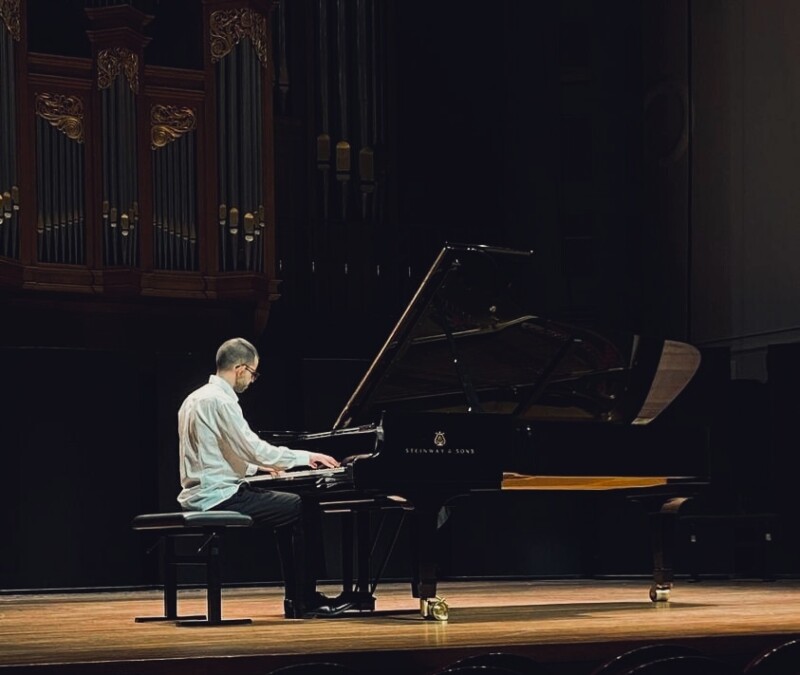
 articleLees, kijk, luistereducationstudent classical music The piano is never far away
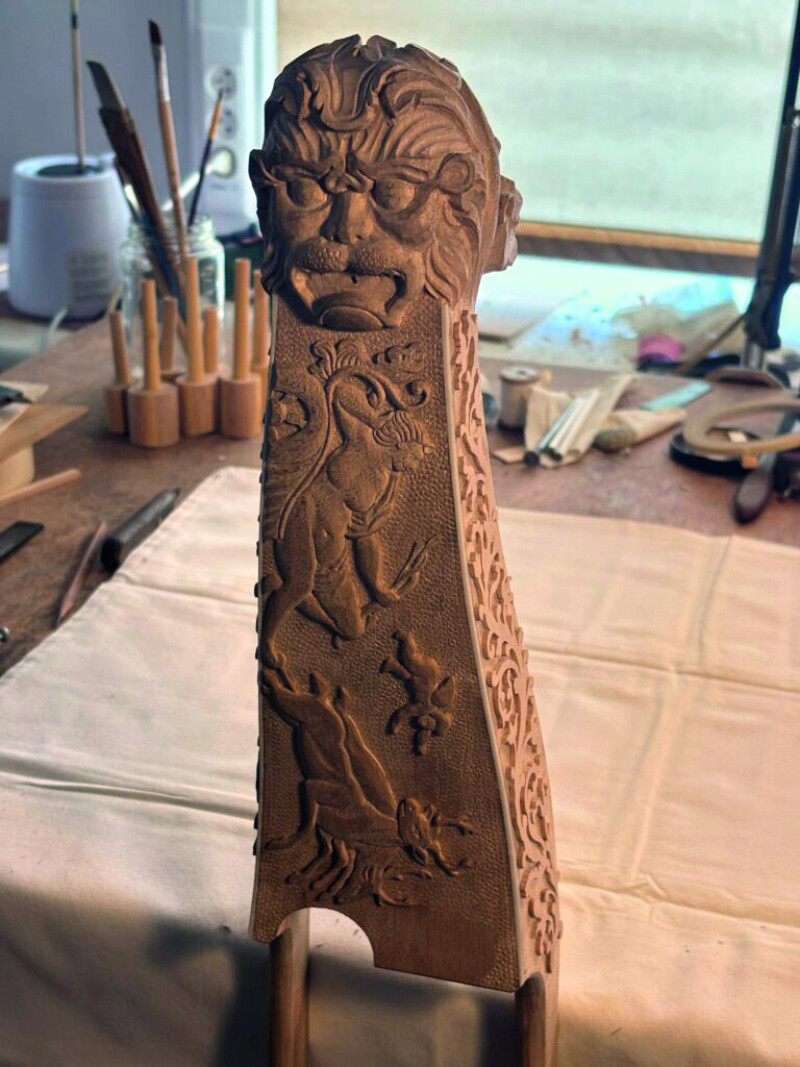
 articleLees, kijk, luistereducationstudents musical instrument making The transfer of a piece of history
 articleLees, kijk, luistereducation Drama Masters 2025Evelyne Coussens and Simon Van Schuylenbergh in conversation about the graduation performances
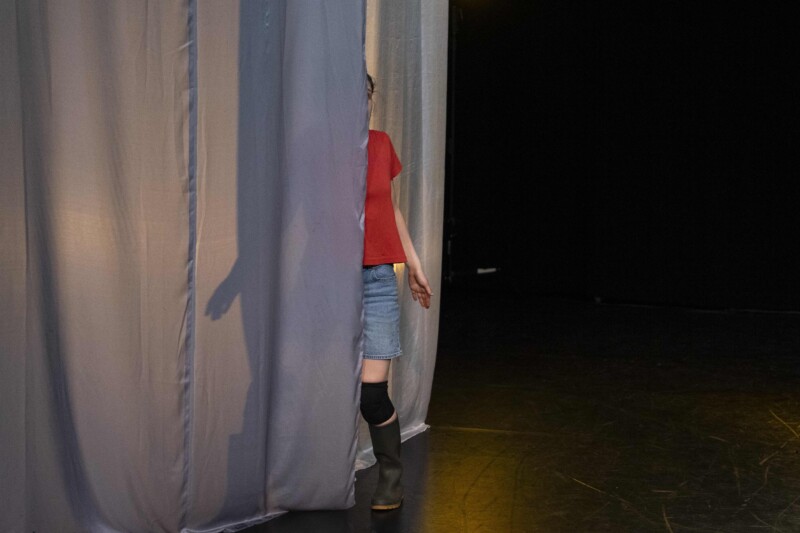 articleLees, kijk, luistereducationstudent photography Who Am I Without You Mister Man?
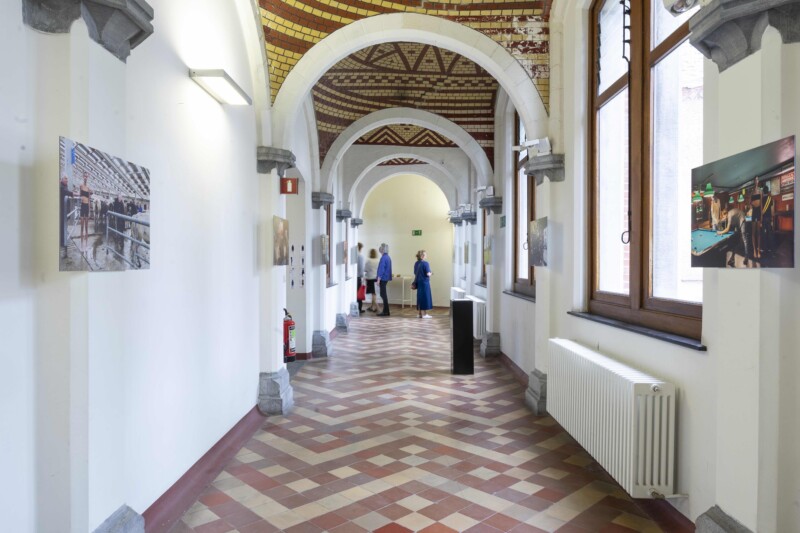 articleLees, kijk, luistereducationstudent graphic design emese veszely, master of graphic design
 articleLees, kijk, luistereducationstudent jazz & pop About a feral child and a bass guitar
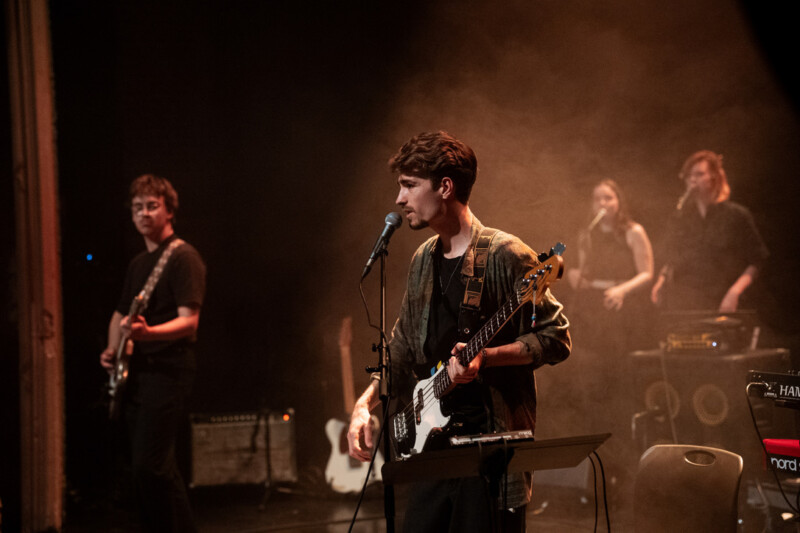 articleLees, kijk, luistereducationstudent film As far as we imagine
 articleLees, kijk, luistereducationstudent music production A producer has to be a jack-of-all-trades
 articleLees, kijk, luistereducationstudent autonomous design The Sock Puppet Screaming Choir & The Craftivist Analmanac Vol. 1
 articleLees, kijk, luistereducationstudent fashion being
 articleLees, kijk, luistereducationstudent animation film Overripe
 articleLees, kijk, luistereducationstudent jazz Alver
 articleLees, kijk, luistereducationstudent fine arts Film Titel Proposition; Einmalig
 Lees, kijk, luisterstudent jazz & pop The Light and His Intergalactic Stars
 articleLees, kijk, luistereducation Masterworks Vol. 14
 publicationLees, kijk, luistereducation