Research Days 2026, PLAY

What if play no longer happens on the margins, but sets research itself in motion? With Play as its central theme, KASK & Conservatorium announced the first edition of the Research Days: a three day festival for researchers, artists, students and visitors to explore playfulness in thought and action – through performances, lectures, panel discussions, exhibitions, workshops and interventions. From 18 to 20 March 2026, we welcomed a diverse audience to Campus Bijloke to reflect on Play.
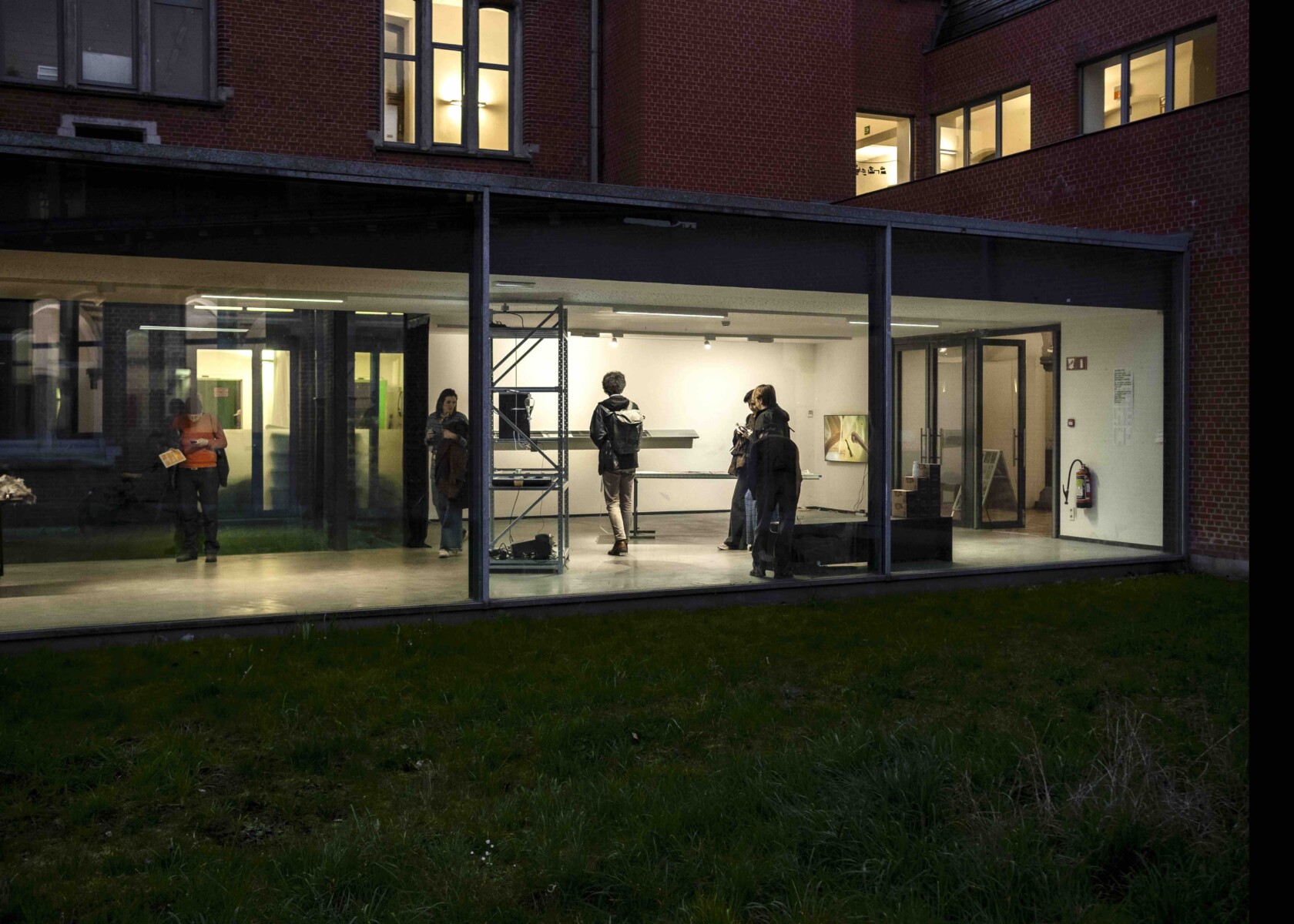
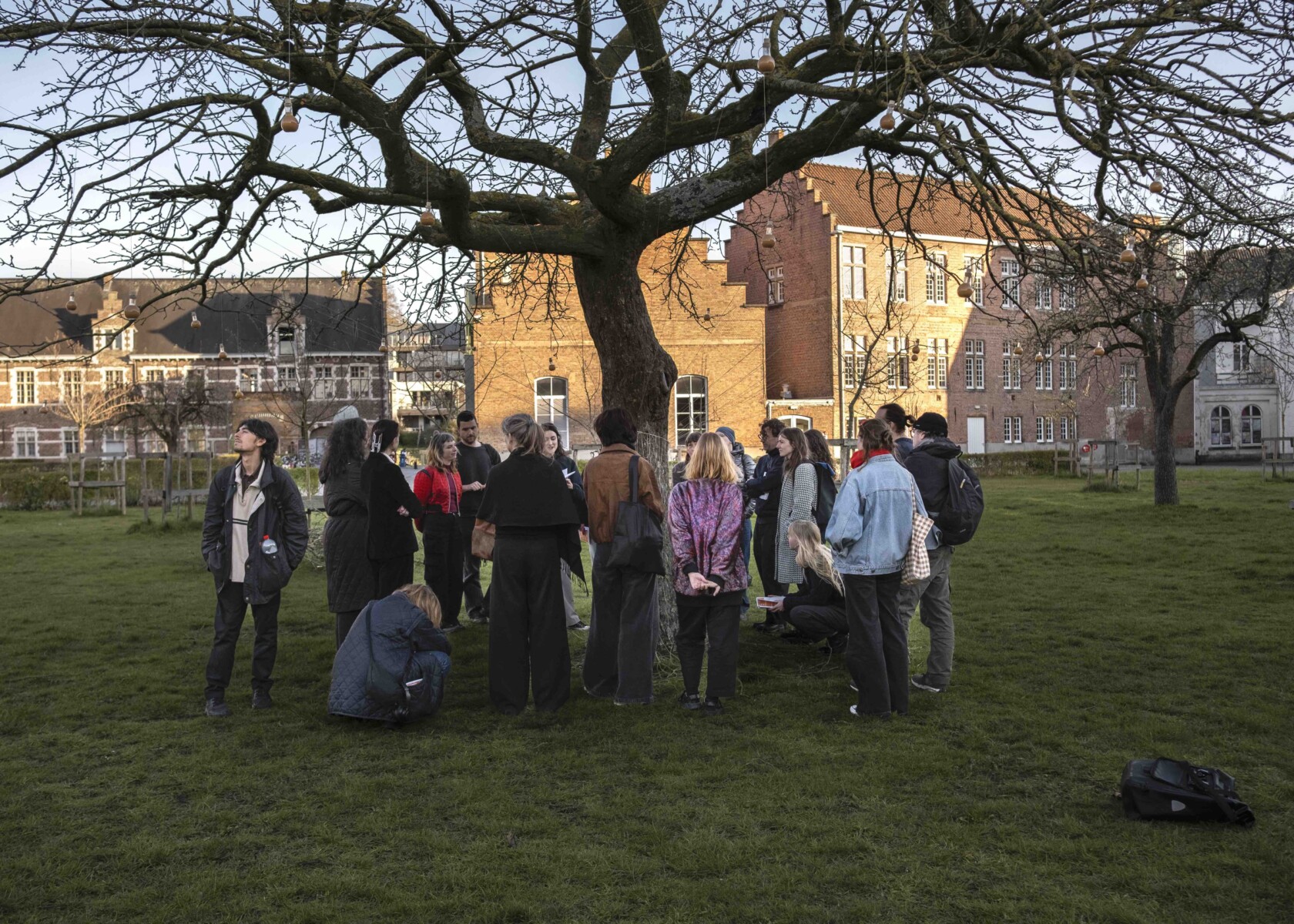
PLAYFULNESS AS A RADICAL GESTURE
Playing is a fundamental way to engage with the world. How we play both reflects and shapes our ways of being and knowing. Playing also introduces instability and imagination, placing us in a fluid, indeterminate field of experience. In artistic research, playfulness can function as a mindset and as a research method. Here, playing becomes a critical tool for exploring ideas, testing assumptions, and generating knowledge. When researchers and artists fully embrace play, they tap into its disruptive potential, using uncertainty and improvisation to challenge norms. Yet play is never neutral. It is situated, embodied, and negotiated: shaped by movement, territory, materials, social structures, media, and the technologies through which it unfolds. When does art or research in the arts become a playful proposition? Who is allowed to play, and who is excluded? And how might playfulness be understood as an attitude that opens up possibilities and moves beyond normative constraints?

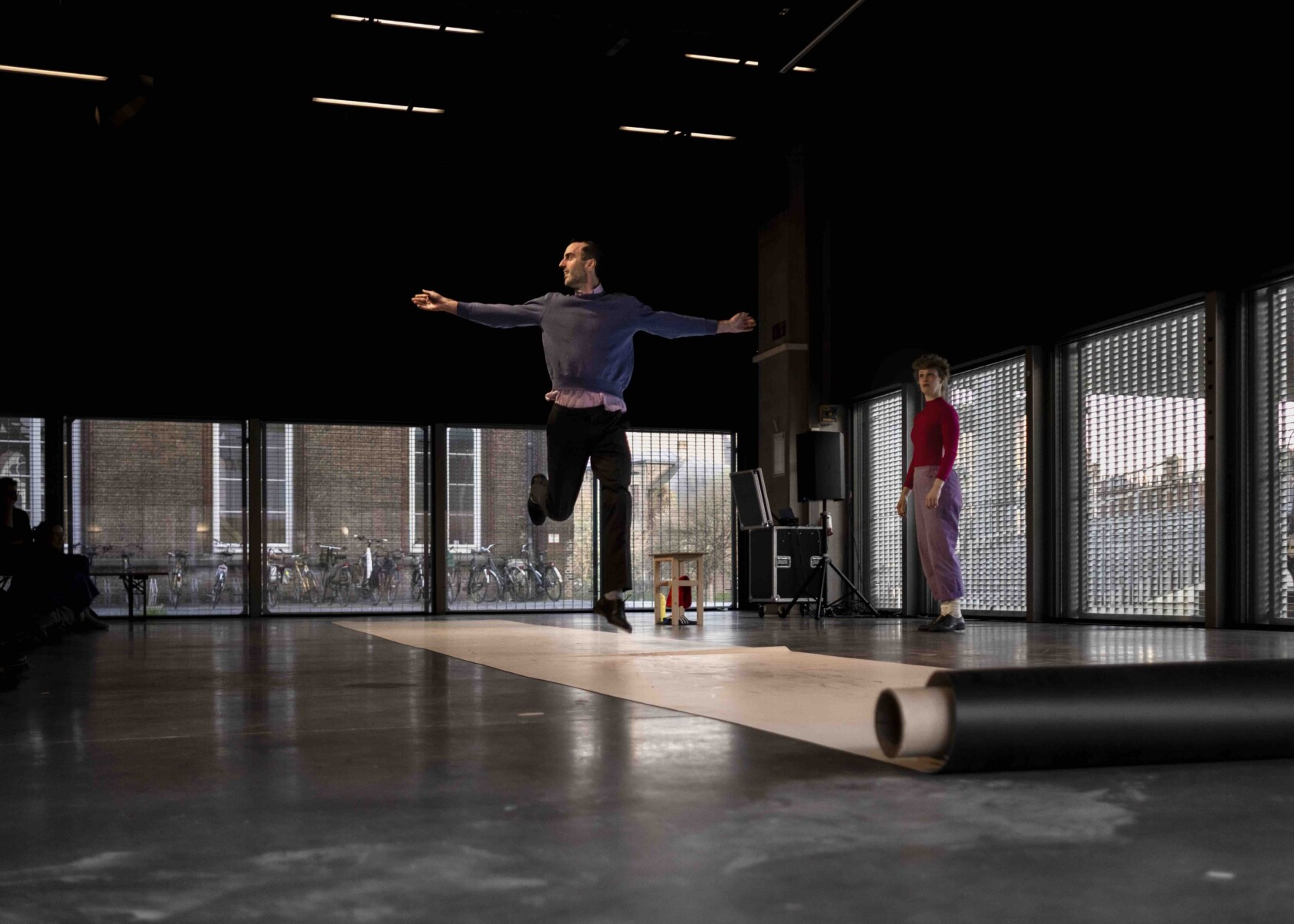
On 18 March, the Research Days started off with a programme of installations, performances and talks. These included a performative walk, a performance about stumbling, and a performance featuring 1,001 eggs. During the opening lecture, researchers Luanda Casella and Laura Huertas Millán explained the theme. The evening concluded with a festive reception.
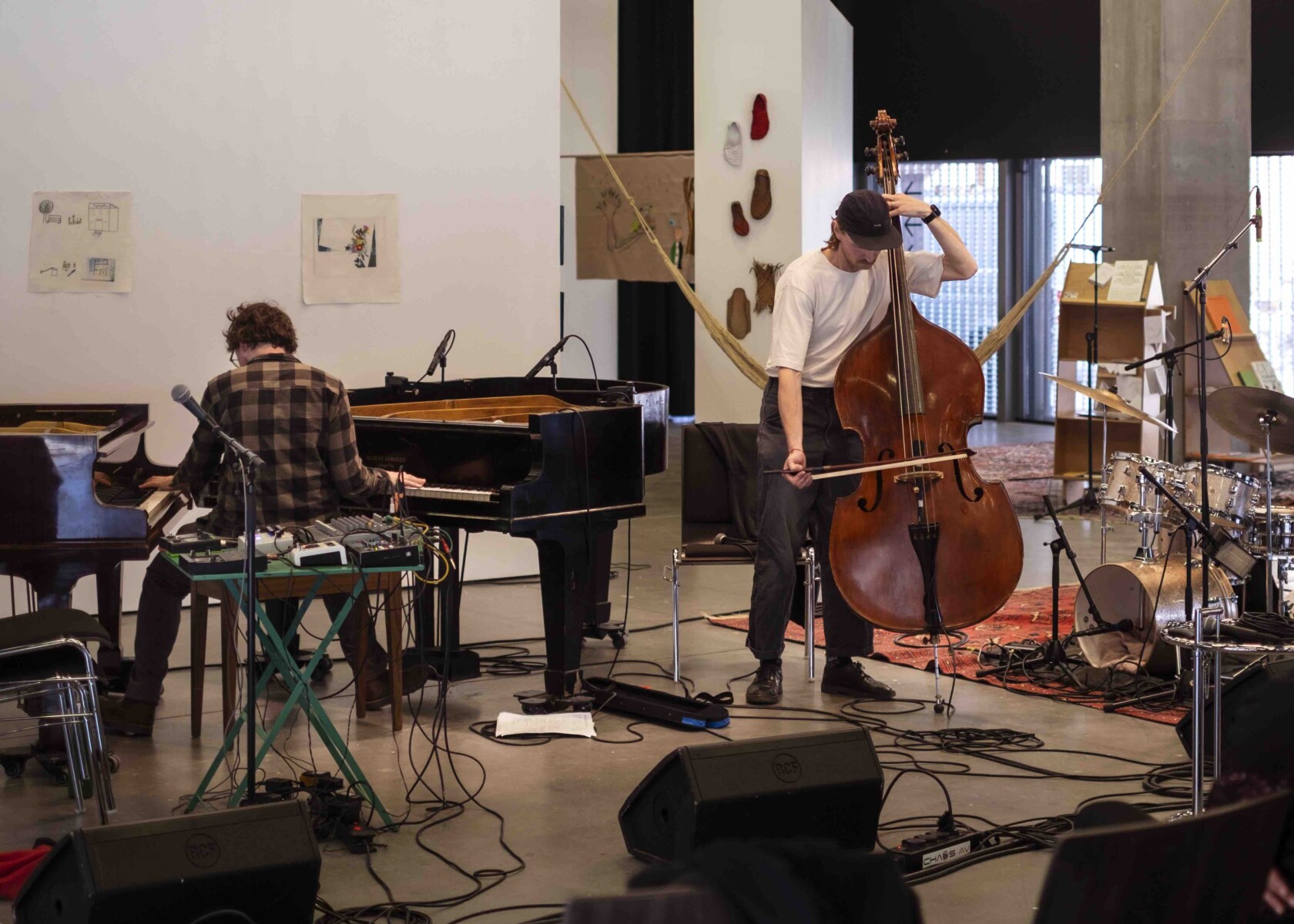

The programme for Thursday 19 March stood out sonically, featuring a series of resonant concerts and a listening session. Also planned: a meditation session, workshops on grafting, shoelaces and soil samples, round-table discussions, and a lecture-performance on playful technology.
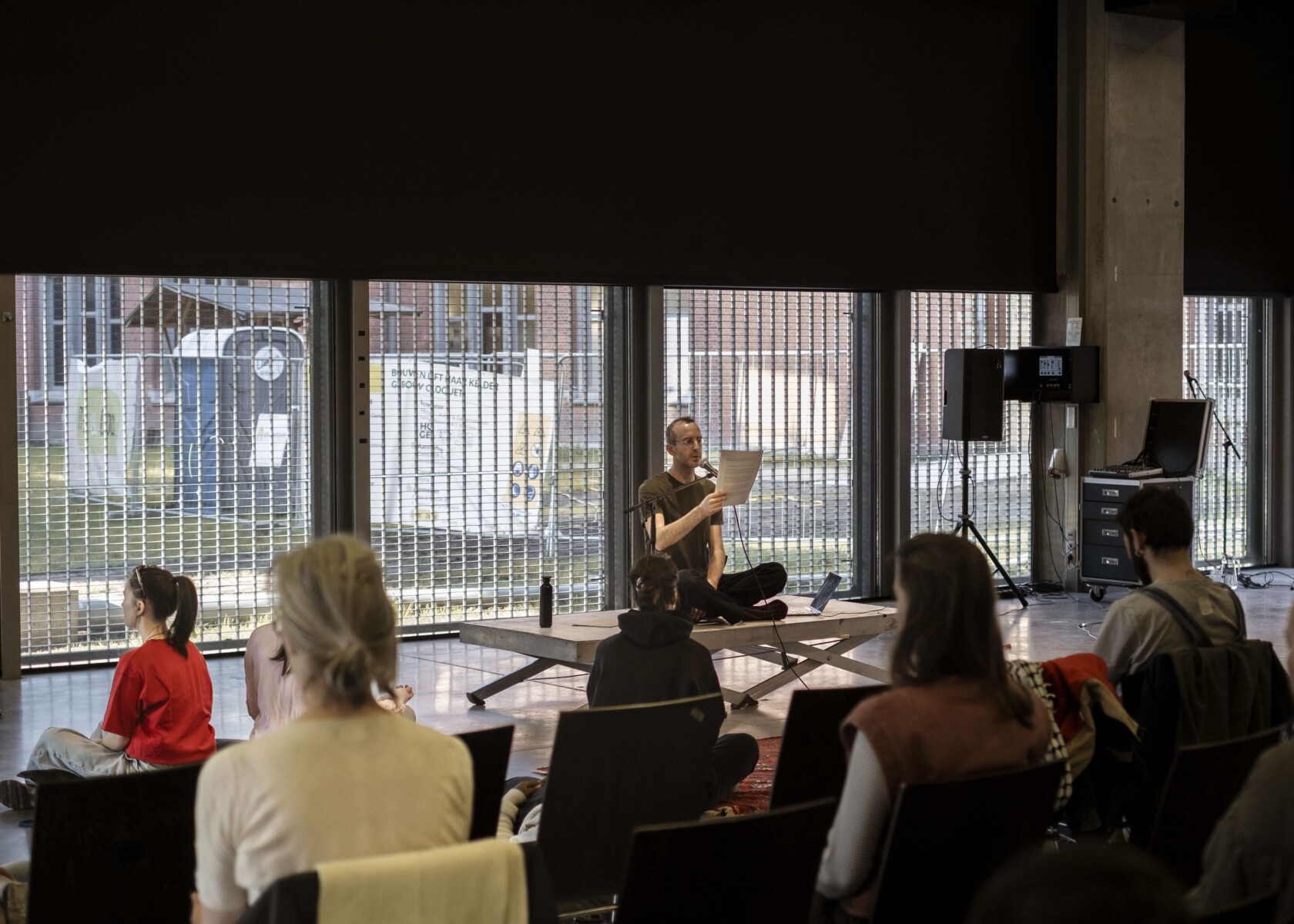

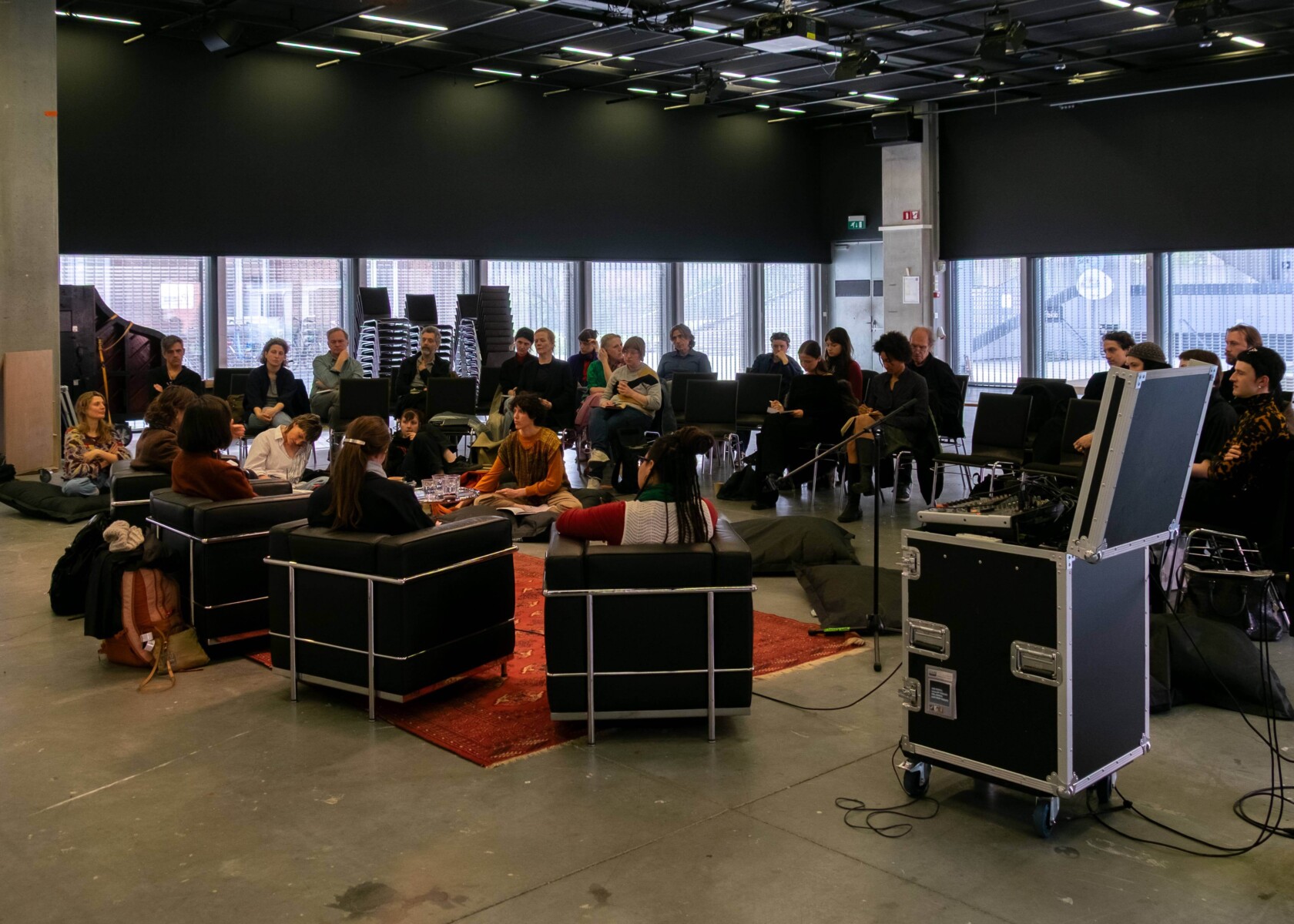
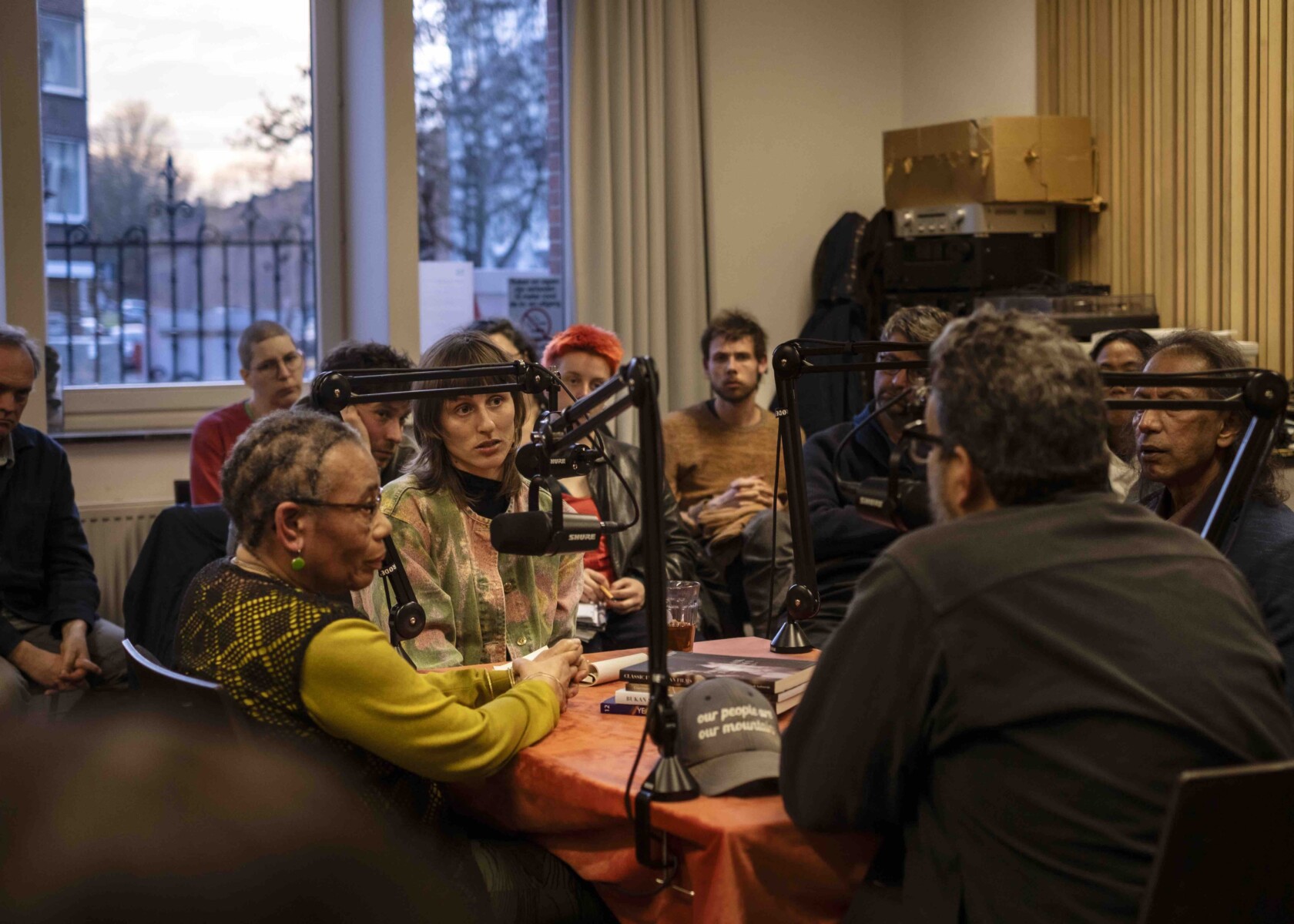
Day 3 — Friday 20 March — began once again with a meditation session. The day continued with a relaxing massage performance by Pedram Kargar. The concept of collective authorship in film was explored and discussed. The idea of ‘making things together’ was examined in a playful way, and collective movement served as the basis for research into a collection of homoerotic postcards.
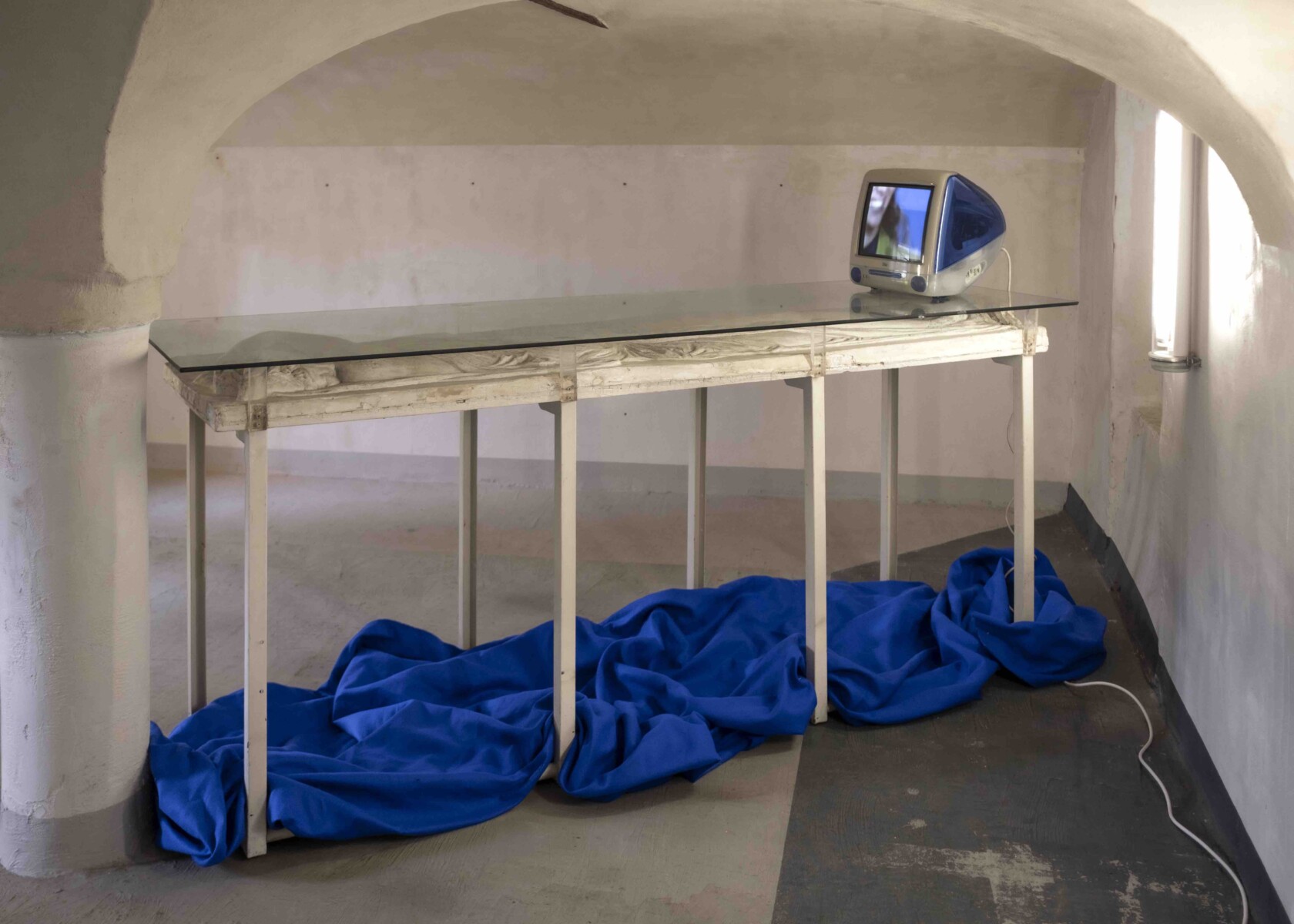


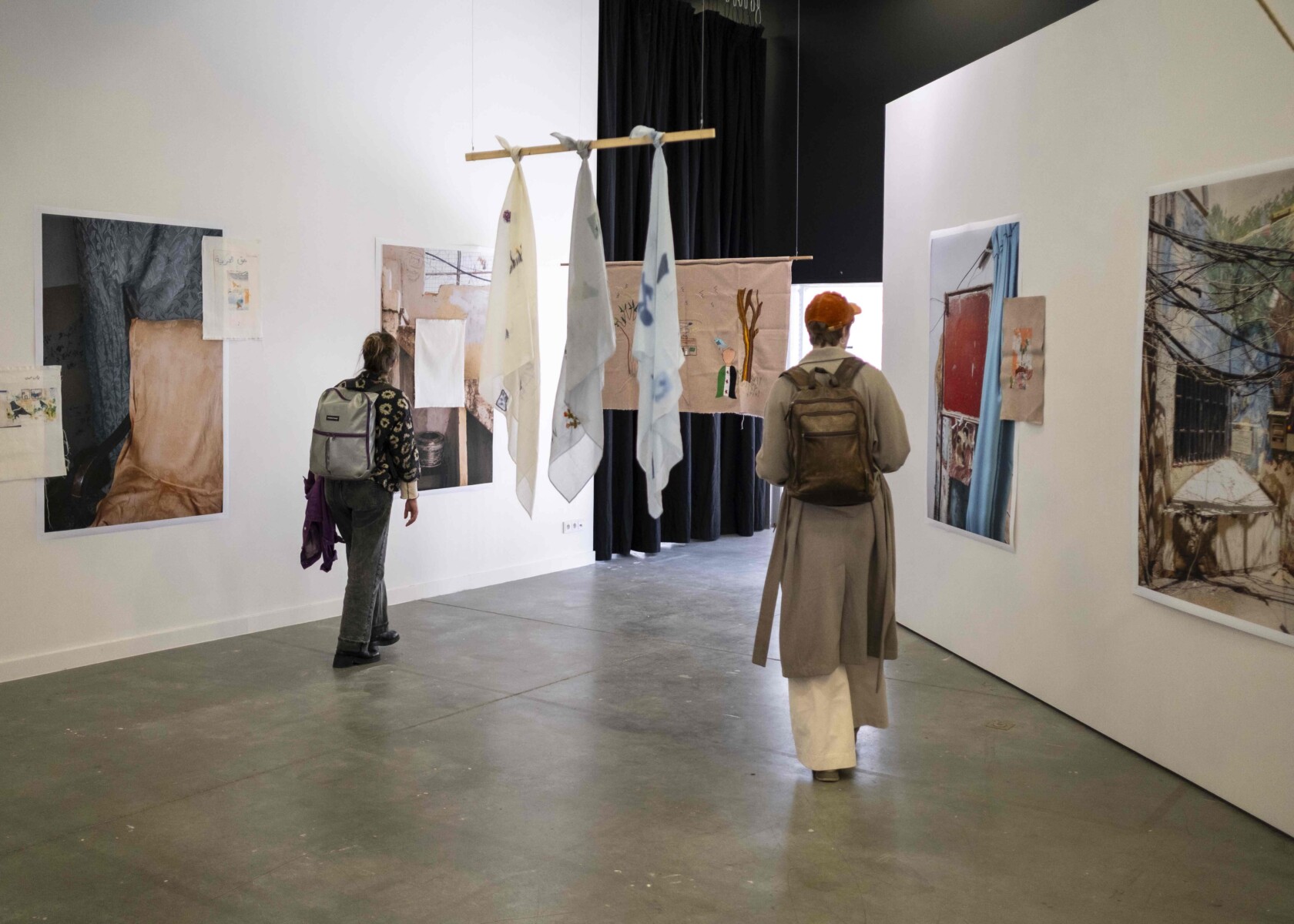
During the research festival, visitors to the Bijloke site could explore installations, offering a sensory interlude between workshops and concerts. These ranged from video works and a communal listening room to a visual essay on Tamagotchis. Visitors could follow a sensory trail or discover montage as a method.

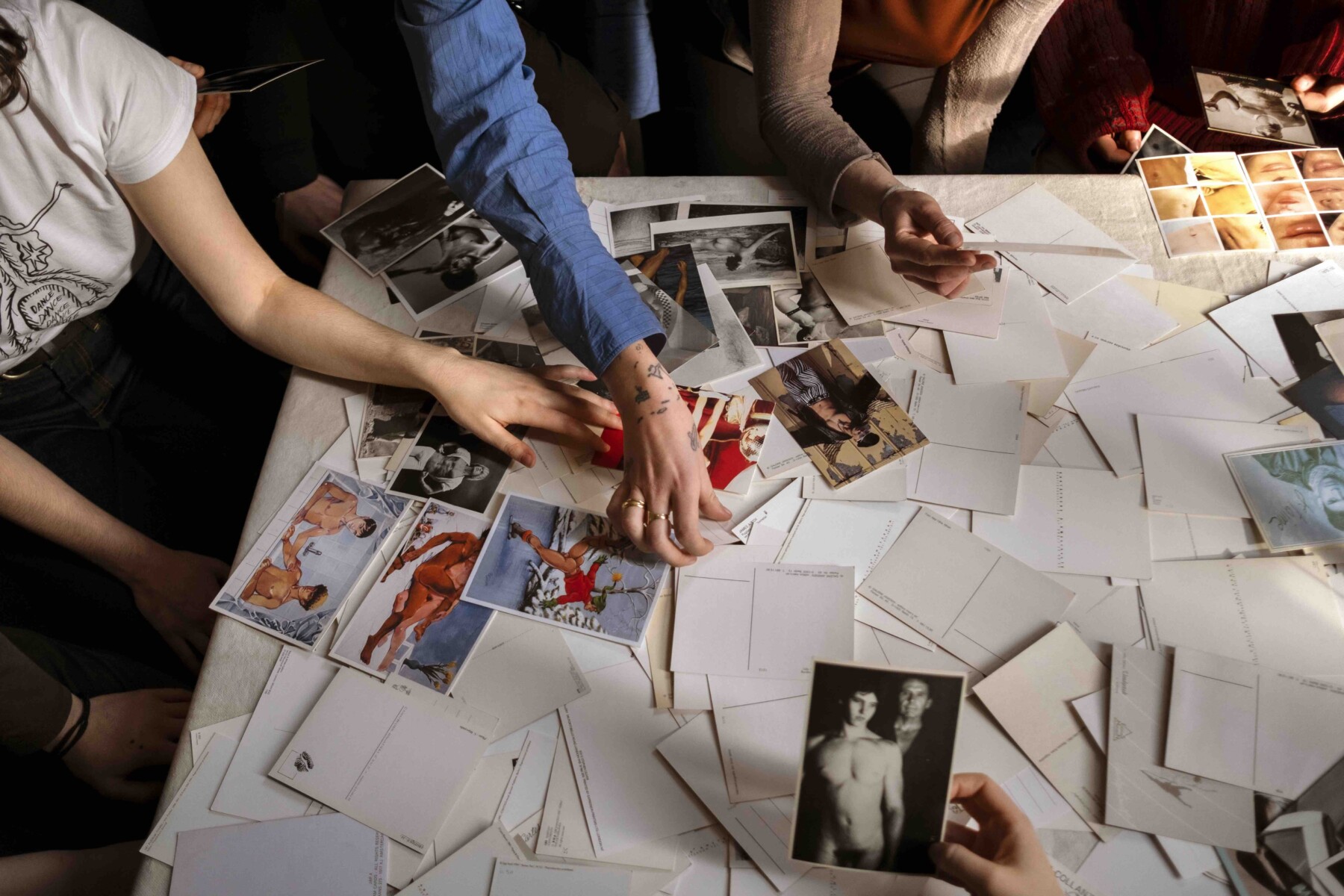
A shared space for artistic research
Artistic research at KASK & Conservatorium is organised into five research clusters. These clusters bring together artists, designers and theorists from diverse disciplines around a specific research field that connects them through their research or artistic practice. Within a research cluster, there is space for experimentation, the exchange of expertise, interdisciplinary approaches, and the organisation of study days, symposia, presentations, publications and master seminars.
Once a year, the clusters jointly organise the Research Days. This festival creates a moment of encounter that builds bridges – between clusters, between researchers and students, and towards the wider research community beyond the school. In this way, the Research Days are explicitly situated within the everyday practice of artistic research, while also serving as an invitation to exchange beyond institutional boundaries.