KASKlezingen
KASKlezingen is a lecture series on visual and audiovisual arts, design, drama and music. International artists dissect their own work in a former anatomical theatre. The lectures take place each Thursday evening in auditorium Cirque on the Bijloke campus (unless otherwise announced), and are free to the general public. Students of KASK & Conservatorium can take the lectures as an elective course.
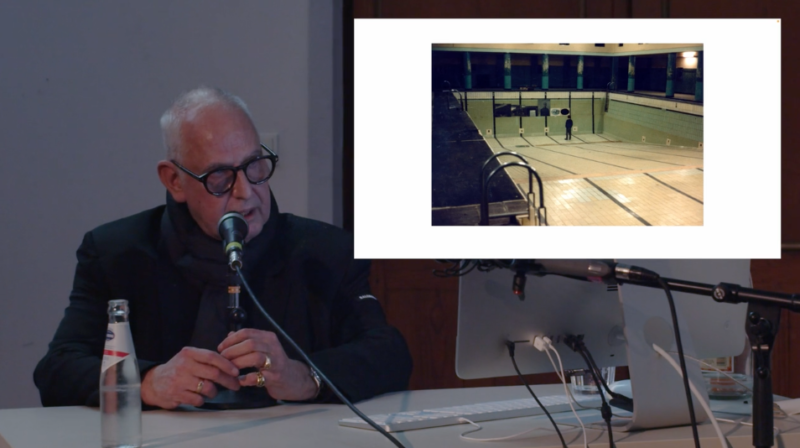 videoLees, kijk, luisterartistic activities Marijke De Roover, KASKlezing, 08.02.24Recording of Marijke De Roover's lecture
 videoLees, kijk, luistereducation KASKLezing, 20.04.2023, The Black ArchivesOpname van de lezing van Mitchell Esajas van The Black Archives.
 videoLees, kijk, luisterartistic activities KASKlezing, 09.03.23, Linda van Deursenrecording of the lecture
 videoLees, kijk, luisterartistic activities Het einde van het kunstonderwijs
 articleLees, kijk, luistereducation Jonas Staal
 articleLees, kijk, luisterartistic activities
 Lichen Hamraie, Staci Bu Shea, Carly Everaert, Studium Generale, KASKlezingenlectureAgendaArtistic activities
The evening starts with an online lecture by Lichen Hamraie, followed by a conversation together with Leni Van Goidsenhoven. Afterwards there will be interventions by Staci Bu Shea and Carly Everaert, ending with an aftertalk.
Accessibility is often understood as a way to correct built environments not designed with disability in mind. In this talk, Dr. Lichen Hamraie, Canada Research Chair in Technology, Society, and Disability, will will instead explore the broader meanings and practices of access in the twentieth and twenty-first century architecture, design, and disability arts. The talk will focus on four themes: assimilation and anti-assimilation, productivity and anti-productivity, normalization and critique, and the new vocabularies of critical access.
Considering how we can be transformed through giving and receiving care, curator, writer and careworker Staci Bu Shea will reflect on vulnerability and its implications for connection and dignity across interpersonal and institutional domains.
Award-winning costume designer and dramaturgical scenographer Carly Everaert’s presentation will trace how creating spaces for other(ed) bodies — and radically rethinking what a learning space can be — opened the way for their long-term collaboration with Mira Thompson: “Interdependence: On Disability Justice and the (Performing) Arts”. Together, they developed a practice in which co-creation is lived interdependence, crip time is a generative force, and artistic freedom can flourish. This led Carly to altarscenography: theorising how care, attention and solidarity create sacred spaces, where aesthetics and ethics meet as the spiritual foundation for solidarity itself.
About the speakers
- Lichen Hamraie is the Canada Research Chair in Technology, Society, and Disability, and Associate Professor of Social Science at York University. Hamraie’s research on disability and design has helped form the fields of critical access studies and crip technoscience. They are the director of the Critical Design Lab. Hamraie is author of ‘Building Access: Universal Design and the Politics of Disability’ (2017) and host of the Contra* podcast on disability and design. They are a 2022 United States Artists Fellow and Member of the U.S. Access Board.
- Staci Bu Shea is a curator, writer, educator and careworker based in Utrecht, the Netherlands. Broadly, Bu Shea convenes with others over aesthetic, critical, and poetic practices of social reproduction and care work, as well as its manifestations in interpersonal relationships, daily life, community organizing, and institutional practices. Bu Shea is the author of Dying Livingly (Solution series, Sternberg Press, 2025). Bu Shea was curator at Casco Art Institute of Working for the Commons (Utrecht, 2017–2022) and co-curator of Barbara Hammer: Evidentiary Bodies at Leslie-Lohman Museum of Art (New York, 2017). Bu Shea holds an MA from the Center for Curatorial Studies, Bard College (Annandale-on-Hudson, 2016).
- – Carly Everaert is an award-winning costume designer and dramaturgical scenographer. As a lecturer and researcher at the Academy of Theater and Dance in Amsterdam, Carly explores costume, bodies, and sustainability from an intersectional perspective. Their practice is becoming increasingly rooted in the principles of Disability Justice, making diverse abilities, knowledge, and ways of moving more visible. Carly collaborates with artists, curators, educators, and scholars who prioritize embodied knowledge. Carly’s methodology combines critical reflection with material experiments—where making is viewed as a form of thinking. Carly is chair of the jury for the Dutch Theater Festival’s Design Award. Their essay ‘Altarscenography, disability justice and staging coincidence, a secular-spiritual practice of solidarity, on solidarity, coincidence, and shared vulnerability as scenographic practice’ will be published in August 2026.
- Leni Van Goidsenhoven is Assistant Professor of Critical Disability Studies at the Department of Literary and Cultural Analysis at the University of Amsterdam (The Netherlands). Her research focuses on disability, illness, neurodiversity, and non-normative bodyminds in the arts and literature. She is the author of Autisme in veelvoud (Garant, 2020) and OnGehoord (EPO, 2021). Her recent work includes the special issue Cripping Choreography and the forthcoming volume Disability Heritage: Participatory and Transformative Engagement (co-edited with Manon Parry, Routledge). Alongside her academic work, she regularly curates projects for theatres and museums.
This programme is a collaboration between Curatorial Studies, KASKlectures and Studium Generale Gent. The event will be in English and will take place in the Zwarte Zaal of KASK & Conservatorium. The Zwarte Zaal is located on the ground floor and is accessible to wheelchair users, there’s also an accessible toilet in the hallway of KASKcafé. In case you use a wheelchair, go via the entrance of KASKcinema instead of the Louis Pasteurlaan entrance. There are works in the street of KASKcinema, but it’s possible to pass by the entrance at Godshuizenlaan 4. A translation into Flemish sign language will be provided. If you have any further questions about accessibility facilities, please contact the organisation: helena.verheye@hogent.be
Marissal
Louis Pasteurlaan 2
9000 Gent
 [cancelled] Julian Abraham "Togar", KASKlezingenlectureAgendaArtistic activities
Due to visa issues, this KASK lecture has been cancelled.
Julian Abraham "Togar" is a drummer and visual artist whose practice flows with visual art, sonic practice and experimental filmmaking. Togar's practice often focuses on the demystification and dissemination of specialist scientific knowledge to broader communities through sound, installations and collaborative practices.
Togar's works have been presented at the 17th Istanbul Biennial; 15th Gwangju Biennale; 13th Taipei Biennale; 58th Carnegie International (Pittsburgh); and in public institutions and museums such as De Appel (Amsterdam), KHOJ (New Delhi), SculptureCenter (New York), Nottingham Contemporary and Cemeti (Yogyakarta), among others.
 Miko Revereza, KASKlezingenlectureAgendaArtistic activities
Miko Revereza is a filmmaker born in Manila, Philippines, who currently lives in Oaxaca, Mexico. His upbringing as an undocumented immigrant and his current exile from the United States have shaped his relationship with moving images.
During the next edition of the Courtisane festival, Miko Revereza will visit Ghent and present several films and a performance. In No Data Plan, he uses the resources immediately at his disposal—his camera, his smartphone, his nomadic existence, and his unique perspective as a stranger in a strange land—to construct an evocative meditation on home and homeland. After his decision to leave the United States, he charted his return to the Philippines in Distancing using superimpositions of intimate 16mm images of the airport, his home, and his family. The performance FOLDS is a film poem consisting of a series of superimpositions/double exposures and a live soundtrack. Just like a folded map, distances are collapsed and placed opposite each other. By superimposing years of images of portraits of people and places, the separation between borders disappears.
In this KASK lecture, Miko Revereza talks about his work and the impact of exile and boundaries on his oeuvre.
“It’s complicated to call any place home. Mexico is a place that’s not my home as it is for other people who have lived here for generations. Every place I live, it’s hard to connect to as home, like the US and the Phillippines, but I also feel like there’s so much weight to the word “home,” and it doesn’t need to be such a priority.”
 Gaëlle Choisne, KASKlezingenlectureAgendaArtistic activities
Sensitive to contemporary issues, Gaëlle Choisne’s practice considers the complexity of the world, its political and cultural disorder, whether it be the over-exploitation of nature, its resources, or the vestiges of colonial history, where Creole esoteric traditions, myths and popular cultures mingle.
Her projects are conceived as ecosystems of sharing and collaboration, pockets of «resistance» where new possibilities are created, notably with the «Temple of Love» project. Initiated from Roland Barthes’ original essay on love, «Fragments d’un discours amoureux» (1977), Gaëlle Choisne adds a political dimension to the concept of love by paying homage to invisible bodies, minority and fragile souls, and dispossessed hearts. «Temple of love » is an evolutionary project defining itself through its modes of appearance and genesis according to its invitations and its location.
The works/installations of Gaëlle Choisne have been exhibited in many institutions: (Vitry-sur-Seine), Centrale Powerhouse (Montreal), CAFA Museum (Beijing), Pera Museum (Istanbul), MAM - Musée d’art moderne de Paris, Musée Fabre (Montpellier), Zacheta Gallery (Warsaw), The Mistake Room (Los Angeles), Bétonsalon (Paris), Gr-und project space (Berlin), MAMO - Centre d’art de la Cité radieuse de Marseille, La Villette x Pompidou (Paris), Centre d’art contemporain La Halle des bouchers (Vienne), Musée archéologique Henri-Prade (Lattes), Musée des Beaux-Arts de Lyon etc.
She has also participated in several biennials and triennials: 15th Gwandju Biennial (2024), 3rd Toronto Biennial of Art (2024), 5th New Museum Triennial (2021), 11th International Biennial of Contemporary Art (GIBCA), 13th International Biennial of Lyon (2015), 12th Havana Biennial (2015), Sharjah Biennial 13 (2017) and 14th Curitiba Biennial (2017).
In 2024, Gaëlle Choisne won the Marcel Duchamp Prize and, in 2021, the AWARE Prize. In 2019 she is nominated for the Ricard Foundation Prize and the Sam Art Project.
 Andrius Arutiunian, KASKlezingenlectureAgendaArtistic activities
Andrius Arutiunian is an Armenian-Lithuanian artist and composer based between The Hague and Paris. Working across installation, sound, and sculpture, Arutiunian's practice explores hybrid forms of listening, vernacular knowledges, and contemporary cosmologies.
In 2022, Arutiunian represented Armenia at the 59th Venice Biennale. Solo presentations include Fondation d'entreprise Hermès (Tokyo, 2026), Dat Bolwerck (Zutphen, 2025), and Meduza (Vilnius, 2023). Arutiunian has participated in biennials including the 14th Shanghai Biennale, 15th Gwangju Biennale, 17th Lyon Biennale, 15th Baltic Triennial, and Performa NYC, with group exhibitions at Centre Pompidou, Palais de Tokyo, M HKA, Kadist Paris, and Pinchuk Art Centre, among others. In 2024, he was shortlisted for the Future Generation Art Prize and was a DAAD artist-in-residence fellow in 2023.
 Anouk De Clercq, KASKlezingenlectureAgendaArtistic activities
In my never-ending search for other ways of looking and other ways of making images and presenting film, the explorative realm of cinema is full of adventure.
The way we see the world is influenced by what we know or what we believe in. There are many possible perspectives from which to look at a thing, a landscape, a person, a story, yourself. Unfortunately, we poor myopic humans lack the gift of birds of prey, with their long-range sight, and the talents of houseflies, with their panoramic vision. Through our large brains, however, we are at least aware of the limits of our seeing. With a humility rare in our species, we acknowledge that there is much we cannot see and therefore devise ways to observe the world.
It is difficult to look and to see at the same time. Only genuine attention is able to rival the most powerful magnifying lens. If you look long enough at what seems ordinary, it often becomes strange and unfamiliar, as every child learns when they repeatedly say their own name out loud. If our looking is limited to our eyes, we are seeing blind. When our field of vision is not demarcated by an edge, but presents itself as an infinitely explorable openness, the world breaks open.
In this lecture, we approach film in an adventurous way. How can a film be made in which the camera does not mimic the human eye? How can a film be made that is not based on the ordinary way humans see the world? How can a film be experienced when there are no images to see? How can cinema become an adventure? Using films and film clips, we try to answer these questions in the freest way possible.
Anouk De Clerq
Anouk De Clercq is a multidisciplinary artist and filmmaker who explores the boundaries of cinema, music and spatiality. With a background in music and film, she creates immersive audiovisual experiences that challenge traditional narratives and perceptions. Her work often focuses on imaginary and utopian landscapes, brought to life through a combination of digital techniques and analogue sensitivity.
Her work has been shown internationally at venues including BOZAR, Centre Pompidou, MAXXI, CAC Vilnius and Tate Modern, and is part of several collections. De Clercq is co-founder of Auguste Orts and initiator of Monokino, mentor to emerging artists and author of Where is Cinema. She is also affiliated with KASK & Conservatorium as a visiting teacher.
Cloquet
Louis Pasteurlaan 2
9000 Gent
 Rietlanden Women’s Office, KASKlezingenlectureAgendaArtistic activities
Graphic designers Elisabeth Rafstedt and Johanna Ehde are Rietlanden Women’s Office (2018, Rietlanden in Amsterdam). They are interested in current and historical methods of collaborative graphic design. Together they make the publication series MsHeresies which is about the ornamental in feminist collaboration. They give lectures and guest teach in book design and typography at various institutions around Europe, and together with Phil Baber of The Last Books they organise the poetry reading series Don’t Pay Your Rent.
Cloquet
Louis Pasteurlaan 2
9000 Gent
 Ahmet Öğüt, KASKlezingenlectureAgendaArtistic activities
In this lecture, artist Ahmet Öğüt explores the strategic use of humour in his practice as a means to disarm power, provoke thought, and engage audiences. Drawing from a range of works and collaborations, Öğüt reflects on how irony and playful subversion can become powerful tools for navigating complex political and social realities.
Born in Silvan, Diyarbakir, Ahmet Öğüt completed his BA from the Fine Arts Faculty at Hacettepe University, Ankara, MA from Art and Design Faculty at Yıldız Teknik University, Istanbul. He works across different media and has exhibited widely, more recently with solo exhibitions in institutions including Art on the Underground & New Contemporaries, Van Abbemuseum, State of Concept Athens, Kunstverein Dresden, Kunsthal Charlottenborg, Chisenhale Gallery; Berkeley Art Museum; and Kunsthalle Basel. He has also participated in numerous group exhibitions, including; Singapore Biennale (2025); Sense of Safety, Yermilov Centre Kharkiv (2024); Dhaka Art Summit (2023); 17th Istanbul Biennial, Istanbul, (2022); FRONT International 2022, Cleveland Triennial for Contemporary Art, Ohio (2022); Asia Society Triennial: We Do Not Dream Alone (2021); In the Presence of Absence, Stedelijk Museum Amsterdam (2020); Zero Gravity at Nam SeMA, Seoul Museum of Art (2019); Echigo Tsumari Art Triennale (2018); the British Art Show 8 (2015-2017); the 13th Biennale de Lyon (2015); Performa 13, the Fifth Biennial of Visual Art Performance, New York (2013); the 7th Liverpool Biennial (2012); the 12th Istanbul Biennial (2011); the New Museum Triennial, New York (2009); and the 5th Berlin Biennial for Contemporary Art (2008). Öğüt was awarded the Visible Award for the Silent University (2013); the special prize of the Future Generation Art Prize, Pinchuk Art Centre, Ukraine (2012); the De Volkskrant Beeldende Kunst Prijs 2011, Netherlands; and the Kunstpreis Europas Zukunft, Museum of Contemporary Art, Germany (2010). He co-represented Turkey at the 53rd Venice Biennale (2009). Lives and works in Amsterdam and Istanbul. His works in institutional collections such as Guggenheim Museum New York; Kadist, San Francisco, US - Paris; Rennie Collection, Vancouver; Sammlung Goetz, Munich; Frans Hals Museum; FRAC Nord-Pas de Calais, Dunkerque; Laumeier Sculpture Park, St. Louis; KIASMA Museum of Contemporary Art, Hesinki; Van Abbemuseum, Eindhoven; Fondazione Giuliani, Rome; MSU Broad Art Museum, East Lansing; Vehbi Koç Foundation, Istanbul.
 Laura Huertas Millán, KASKlezingenlectureAgendaArtistic activities
Archivo Fantasma — Spectral Fictions presents different cinematic approaches and strategies of counter — and alter — narratives to address official archives and records that Laura Huertas Millán’s practice engages with. It posits fiction as a critical and emancipatory strategy for engaging with colonial violence, institutional silences, historical erasures, and the ideological construction of collective memory. This artistic practice draws from Latin American traditions of meta-fiction and epistemic disobedience, emphasizing how historical records are shaped by regimes of truth that legitimize certain epistemologies while excluding others. This talk will present her critical series on “ethnographic fictions”, and a recent investigation inspired by Saidiya Hartman’s “critical fabulation”, a history “written with and against the archive” to articulate how fiction can serve as a reparative method, to address not only the documents of the past but also the languages shaping our present and future.
Laura Huertas Millan is a Colombian and French artist and filmmaker based in Brussels, Belgium. Selected in major cinema festivals such as the Berlinale, Toronto International Film Festival (TIFF), Rotterdam International Film Festival, New York Film Festival and Cinéma du Réel, her films have been awarded at the Locarno Film Festival, FIDMarseille, Doclisboa and Videobrasil, among others. More than twenty retrospectives and focuses on her work have been organized internationally, in cinematheques (Toronto ́s TIFF Lightbox, Harvard ́s Film Archive, Bogota ́s cinematheque, Austrian Film Museum, Tabakalera); museums (CA2M, CCA Glasgow, OCA Norway); film festivals (Mar del Plata, Rencontres du Documentaire de Montréal, FICUNAM, Curtocircuito); and non-fiction seminars (The Flaherty seminar, DocsKingdom). Her films have been featured in solo exhibitions at the MASP Sao Paulo, Maison des Arts de Malakoff and Medellin ́s Modern Art Museum; in biennials such as the Liverpool Biennial, FRONT Triennial, Videonnale and ScreenCity Biennial; and screenings in museums such as the Centre Pompidou, the Jeu de Paume, the Solomon R. Guggenheim Museum. Her work is part of private and public collections such as KADIST, CNAP, Banco de la República de Colombia, CIFO Miami, and FRAC Lorraine. Since 2019, she is part of the curatorial and research collective Counter Encounters, which has developed projects at the Centre Pompidou and Tate Modern.
 Marwa Arsanios, KASKlezingenlectureAgendaArtistic activities
Marwa Arsanios is an artist, filmmaker and researcher whose work can take the form of installation, performance and moving image. She reconsiders the political development of the second half of the twentieth century from a contemporary perspective, focusing on gender relations, collectivism, urbanism and industrialization. Her research work includes many disciplines and is deployed in numerous collaborative projects.
Several solo exhibitions have been dedicated to her work: Heidelberger Kunstverein, Germany (2023); Mosaïc Rooms, London (2022); Contemporary Arts Center, Cincinnati (2021); Skuc Gallery, Ljubljana (2018); Beirut Art Center (2017); Hammer Museum, Los Angeles (2016); Witte de With, Rotterdam (2016); Kunsthalle Lissabon, Lisbon (2015); and Art in General, New York (2015).
Her work has also been featured in numerous group exhibitions including: Documenta 15, Kassel (2022); 5th Mardin Bienali (2022); 3rd Autostrada Biennale, Pristina (2021); 11th Berlin Biennale (2020); The Renaissance, Chicago (2020); 2nd Lahore Biennale (2020); Kunsthalle Wien, Vienna (2019); 1st Sharjah Architecture Triennial (2019); SF Moma, San Francisco (2019); 1st Warsaw Biennial (2019); 14th Sharjah Biennale (2019); Nottingham Contemporary (2017); Maxxi Museum, Rome (2017); Sursock Museum, Beirut (2016); Ludwig Museum, Cologne (2016); Thessaloniki Biennial (2015); Home Works Forum, Ashkal Alwan, Beirut (2010, 2013, 2015); New Museum, New York (2014); 55th Venice Biennial (2013); M HKA, Antwerp (2013), In Other Words, nGbK, Berlin (2012); or the 12th Istanbul Biennial (2011).
Her films have been screened at Cinéma du Réel, Paris (2021); Rotterdam Film Festival (2021); EMAF, Osnabrück (2021); Film Fest, Hamburg (2020); State of Concept, Athens (2020); FID Marseille (2019); tiff, Toronto (2019); RIDM, Montreal (2019); Berwick Film & Media Arts Festival (2019); Walker Art Center, Minneapolis (2017); Centre Georges Pompidou, Paris (2011, 2017); Berlin International Film Festival (2010, 2015); and e-flux storefront, New York (2009).
She received the Georges de Beauregard International Prize at FID Marseille (2019), the Special Prize of the Pinchuk Future Generation Art Prize (2012), and was nominated for the Paulo Cunha e Silva Art Prize (2017) and the Han Nefkens Foundation Award (2014). She was awarded the Akademie Schloss Solitude scholarship in Stuttgart in 2014 and the Tokyo Wonder Site, Tokyo Arts and Space in 2010. She is a co-founder of the 98weeks Research Project.
 Saddie Choua, KASKlezingenlectureAgendaArtistic activities
Am I the only one who is like me? This is a question characteristic of Saddie Choua’s (°Bree, 1971) life and work. It problematizes the position of the solitary I that is also never disconnected from the other. The power order that conditions the solitary “I”, is another central subject. Where does this otherness sit in the hierarchy of power? Where is her oppression and exploitation concealed or exoticed?
Saddie Choua asks us to think about how we consume images and dialogues about the other and how they affect our self-image and historical consciousness. How can we intervene in the images that write our history and conceal social struggle? Do we first have to refute memory to tell another story? Or is the removal or recombining of certain associations and references already sufficient to create a different history and self-image?
Saddie Choua's work can therefore be read as a fragmented self-reflective visual essay that questions the relationship between maker and image. How do you make blind spots that just invite you to forget visible? How to speak and depict differently from a subalternal position, or is it just the concept of "the other" that confines her in dominant images and narratives?
Saddie Choua lives and works in Brussels and Ostend. She uses meta-documentary tactics, collage, own (film) material, re-appropriation of popular intercultural formats and autobiographical elements to put racism, discrimination against women and class, and her cats in the spotlight. She creates a new pseudo-realistic imaginary world that is at once highly recognizable and utterly alien. It is her way of undermining the (visual) language of our media and of sharpening the critical and political gaze of her audience. The challenge is to create 'situations' that reveal the power structures behind the images that we internalize and reproduce. Saddie is a doctoral researcher at the RITCS in Brussels and a lecturer at Sint Lucas Antwerp and the RITCS. She is one of the laureates of the Belgian Art Prize 2020.
Saddie Choua had solo and group exhibitions at, among others, BOZAR, Brussels, 2014; WIELS, Brussels, 2015; Marrakech Biennial, Marrakech, 2016; MU.ZEE, Ostend, 2016; Showroom, Sint Lucas School of Arts, Antwerp, 2016; KIOSK, Ghent, 2017; Festival Concreto, Fortaleza, 2017; Kooshk-Air Antwerp, Tehran, 2018; Kanal-Centre Pompidou, Brussels, 2018-2019; Savvy Contemporary, Berlin, 2018; Akademie der Künste der Welt, Cologne, 2018; Villa Empain, Brussels, 2018; Contour Biennal, Mechelen, 2019, Biennale Warszawa, Warsaw, 2019; La Veronica Gallery, Modica, 2020; Les Rencontres Internationales Paris/Berlin, 2020; Centre Wallonie-Bruxelles, Paris, 2020; Temporary Gallery, Cologne, 2020; Kunsthalle Wien, Vienna, 2020; Extra City, Antwerp, 2021; Kunstverein Hamburg 2021; Kadist, Paris, 2021; Undercurrent Gallery, NYC, 2021. Her work is in national and international private and public collections.
 Kasper Bosmans, KASKlezingenlectureAgendaArtistic activities
Known for his multifaceted and divergent approach to art making, with works that range from sculpture and installation to painting and drawing, Kasper Bosmans’ practice is a complex concoction of high art and literature, popular culture, mythology and anthropology, viewed through a queer and playfully minimalist lens that subversively observes and reinvents narratives that dominate the world around us. Taking an editorial approach, Bosmans cuts, pastes and brings together these anecdotes and stories, which traverse all histories, cultures and societies, and identifies off-beat, idiosyncratic and poetic resonances thatbind form and meaning together in what is essentially a conceptual practice.
Nothing is off-limits for Bosmans, who has a particular soft spot for more obscure, queer and marginalized anecdotes, from stories of cross-dressing saints to examples of celibacy and monogamy in the animal kingdom. Bosmans prods, pokes and teases out connections in his work that are significant to his personal world, but the resulting narratives cannot help but take on a universal resonance.
 David Maroto, KASKlezingenlectureAgendaArtistic activities
Why do artists write novels? What does the artist’s novel do to the visual arts? How should such a novel be experienced?
Artist David Maroto presents The Artist’s Novel: The Novel as a Medium in the Visual Arts – a research project that finds its momentum in the current international art scene, where the debate about the hybridisation of visual arts and literature is becoming increasingly prominent. In recent years, there has been a proliferation of visual artists who create novels as part of their wider art projects. They do so in order to address artistic issues by means of novelistic devices, favouring a sort of art predicated on process and subjectivity, introducing notions that have traditionally adscribed to literature, such as fiction, narrative, identification, and imagination. In this sense, it is possible to speak of a new medium in the visual arts (exactly as video or performance, for example); yet, very little is known about it.
By discussing a number of key case studies, David’s presentation will aim to elucidate the pressing questions posed by the emergence of a new artistic medium with a theoretical and practice-based approach that critically examines the different ways contemporary artists have employed the artist’s novel. The intention is not to fix a definition of what the artist’s novel is, but rather to situate it within the broader field of the visual arts in the hopes of sparking a much-needed discussion about a practice that has long been ignored by the main critical strands in art discourse.
David Maroto
David Maroto is a Spanish visual artist based in the Netherlands and a PhD from the Edinburgh College of Art, with a research project called The Artist’s Novel: The Novel as a Medium in the Visual Arts. It has been published in a two-volume book in English (Mousse Publishing, 2020) and Spanish (Greylock Editorial, 2025).
Maroto has an extensive international artistic practice: residence in URRA (Buenos Aires); Vigil Gonzales Gallery (Buenos Aires); Havana Biennial; Biennale Warszawa; Kanal Centre Pompidou (Brussels); W139 (Amsterdam); A Tale of a Tub (Rotterdam); Artium Museum of Contemporary Art (Vitoria); Extra City (Antwerp); S.M.A.K. (Ghent); EFA Project Space (New York); Pedrami Gallery (Antwerp); West (The Hague); The Opening Gallery (New York); SALT (Istanbul), a. o.
In 2011, he spent time at a residency in ISCP New York, where he met curator Joanna Zielińska and began a collaboration called The Book Lovers, a research project based on the creation of a collection and bibliography of artists' novels with the continuous support of M HKA (Antwerp). The Book Lovers explore the different ways in which the artist’s novel is employed as a medium in the visual artists, exactly as installation, video, or performance. The collection and bibliography are complemented with a series of exhibitions, performance programmes, publications, commissions, and pop-up bookstores. This collaboration has enabled them to engage with a host of international institutions, including Whitechapel Gallery (London); Museum of Modern Art (Warsaw); Kunstinstituut Melly (Rotterdam); CCA Glasgow; Fabra i Coats (Barcelona); Index (Stockholm); De Appel (Amsterdam); Ujazdowski Castle Centre for Contemporary Art (Warsaw); a. o.
David has published numerous artists’ novels, essays, interviews, and articles, and edited various publications, including Artist Novels (Sternberg Press, 2015); Tamam Shud (Sternberg Press, 2018); and Obieg magazine no. 8, 'Art & Literature: A Mongrel's Guide' (2018), as well as the paper ‘Valid Fictional Contributions to Non-Fictional Debates: Fictocritical Writing in Artistic Research’ (Acta Academiae Artium Vilnensis). He has also written for Caja Negra Editorial (Buenos Aires); EXIT art journal (Madrid); and Artforum.
David also has ample experience as a guest lecturer at international art academies, such as Dutch Art Institute; Gerrit Rietveld Academy; XPUB Piet Zwart Institute; Sint Lucas Antwerpen; Master Institute of Visual Cultures in Den Bosch; Ecole Nationale Supérieure des Beaux-Arts de Lyon; Ecole Cantonale d’Art du Valais, Sierre (Switzerland); Glasgow School of Art; and Stockholm University, a.o. In addition to lecturing, he has designed and taught diverse courses, workshops, and seminars, such as the Collective Novel Workshop at Museo Reina Sofía, Madrid.
Cloquet
Louis Pasteurlaan 2
9000 Gent
 David Reinfurt, KASKlezingenlectureAgendaArtistic activities
David Reinfurt is an independent graphic designer in New York City. He graduated from the University of North Carolina in 1993 and received an MFA from Yale University in 1999. On the first business day of 2000, David formed O-R-G inc., a flexible graphic design practice composed of a constantly shifting network of collaborators. Together with graphic designer Stuart Bertolotti-Bailey, David established Dexter Sinister in 2006 as a workshop in the basement at 38 Ludlow Street on the Lower East Side in New York City. Together with Stuart Bertolotti-Bailey and Angie Keefer, David set up a non-profit institution called The Serving Library in 2011 which maintains a physical collection of art and design works, stages events, and publishes an annual journal. David was 2010 United States Artists Rockefeller Fellow in Architecture and Design and 2017 Mark Hampton Rome Prize Fellow in Design at the American Academy in Rome. His work is included in the permanent collections of the Museum of Modern Art, Walker Art Center, Centres Georges Pompidou, and the Whitney Museum of American Art. David has written two books, Muriel Cooper (MIT Press, 2017) and A New Program For Graphic Design (Inventory Press/DAP, 2019) and is Professor of the Practice at Princeton University.
English spoken
Cloquet
Louis Pasteurlaan 2
9000 Gent
[cancelled] Marwa Arsanios, KASKlezingenlectureAgendaArtistic activitiesDue to personal circumstances, the KASK lecture of Marwa Arsanios is cancelled.
Marwa Arsanios’ practice tackles structural questions using different devices, forms and strategies. From architectural spaces, their transformation and adaptability throughout conflict, to artist-run spaces and temporary conventions between feminist communes and cooperatives, the practice tends to make space within and parallel to existing art structures allowing experimentation with different kinds of politics. Film becomes another form and a space for connecting struggles in the way images refer to each other.
In the past four years Arsanios has been attempting to think about these questions from a new materialist and a historical materialist perspective with different feminist movements that are struggling for their land. She tries to look at questions of property, law, economy and ecology from specific plots of land. The main protagonists become these lands and the people who work them. Her research includes many disciplines and is deployed in numerous collective methodologies and collaborative projects.
Solo shows include: BAK Utrecht (2024), Kunsthalle Bratislava (2023), Heidelberger Kunstverein (2023), Mosaic Rooms, London (2022), Contemporary Arts Center, Cincinnati (2021); Skuc Gallery, Ljubljana (2018); Beirut Art Center (2017); Hammer Museum, Los Angeles (2016); Witte de With, Rotterdam (2016); Kunsthalle Lissabon, Lisbon (2015); and Art in General, New York (2015).
Her work has also been featured in numerous group exhibitions including: Documenta 15 (2022), Mardin biennial (2022), Sydney Biennial film program (2022), 3rd Autostrada Biennale, Pristina (2021); 11th Berlin Biennale (2020); The Renaissance Society, Chicago (2020); Gwangju Biennial (2018); Lülea Biennial (2018); Kunsthalle Wien (2019); 1st Sharjah Architecture Triennial (2019); SF Moma, San Francisco (2019); Warsaw Biennial (2019); 14th Sharjah Biennale (2019); Maxxi Museum, Rome (2017); Ludwig Museum, Cologne (2016); Thessaloniki Biennial (2015); Home Works Forum, Ashkal Alwan, Beirut (2010, 2013, 2015); New Museum, New York (2014); 55th Venice Biennial (2013); M HKA, Antwerp (2013),); the 12th Istanbul Biennial (2011). Her films have been screened at MOMA New York (2023), School of Art Institute Chicago (Gene Siskel Film Center) (2023), Cinéma du Réel, Paris (2021); Rotterdam Film Festival (2021); Film Fest, Hamburg (2020); FID Marseille (2015, 2019, 2022); tiff, Toronto (2019); Berwick Film & Media Arts Festival (2019); Walker Art Center, Minneapolis (2017); Centre Georges Pompidou, Paris (2011, 2017,2022); Berlin International Film Festival (2010, 2015)
Arsanios was a researcher in the Fine Art Department at the Jan Van Eyck Academie, Maastricht (2010–12). She is currently a PhD candidate at the Akademie der bildenden Künste in Vienna.
 Ana Pi, KASKlezingenlectureAgendaArtistic activities
Choreographer and imagery artist, born, raised and nourished in Brazil, navigating the World through movement making.
The artist amplifies a research of Afro-Diasporic and Urban dances, works as extemporary dancer and pedagogue, her practices are woven with the act of traveling. Ana Pi constantly investigates gestures that have been passed down through traditions and mutated as they traversed different landscapes and bodies.
Her transdisciplinary works are particularly situated between the notions of transit, displacement, belonging, superposition, memory, colors and ordinary gestures. Her dances, films and research have been programmed in institutional spaces such as Cisneros Institute with MoMA, Raw Material Company, Centre Pompidou, Histórias Afro-Atlânticas Exhibition, Festival d’Automne Paris, among many others.
The Divine Cypher, RAW ON, Fumaça, Meditation on Beauty, èscultura, RACE, O BΔNQUETE, COROA, NoirBLUE, DRW2 et Le Tour du Monde des Danses Urbaines en 10 villes, are her works that articulate choreography, discourse and installation.
Audiovisual productions are highlighted by NoirBLUE – les déplacements d’une danse (2018 – 27′), filmed in 9 countries of the African Continent, is her first documentary, internationally awarded, and the essays Another Anagram of Ideas (2022) and VÓS (2011).
Since 2010, she has been developing and sharing the practice named STEADY BODY; peripheral dances, sacred gestures, and in 2020, she creates the structure NA MATA LAB for artistic production and collaboration.
In 2023, commissioned by the 35th São Paulo Biennial - Choreographies of the Impossible, she exhibited her first kinetic installation ANTENA IA MBAMBE – Mimenekenu Ê Lá Tempo!, created in collaboration with Taata Kwa Nkisi Mutá Imê, a supreme priest of the Brazilian Candomblé. In this project, materials such as ceramics, baobab seeds, a study of the Institut Fondamental d’Afrique Noire photographic archive in Dakar, Senegal, a metal structure, and an animated movie are aligned in the same dance and dialogue with the various dimensions of “Tempo.” Nkisi divinity and vital principle of the “Candomblé” heritage in Brazil unveils all the potential of moving and planting other images.
She signed the choreography of ALGORITHM OCEAN TRUE BLOOD MOVES, the large-scale performance directed by the visual artist and poet Julien Creuzet. Premiered in New York City with Performa Biennial, presented as well at the Nationale Opera Ballet Amsterdam with Hartwig Art Foundation, and in Senegal within Dakar Biennial 2025 special program, completing a significant full-circle journey that symbolically reverses the brutality of the transatlantic slave trade through a new triangulation of life and vitality..
Ana Pi is now working on her next creation, ATOMIC JOY, for 8 dancers to be premiered in 2025, both in Brazil and France.
 Feiko Beckers, KASKlezingenlectureAgendaArtistic activities
Feiko Beckers (b. 1983) is a Dutch artist who lives and works in Brussels. He was artist-in-resident at the Rijksakademie in Amsterdam in 2010-2011 and in 2013 at Palais de Tokyo in Paris.
He works with everyday histories based on events from his own life, stories about failures, accidents or embarrassing situations that he has personally experienced. His work seeks answers to the unexpected, merciless character of unfortunate events. With video,performance, installations and even music, he constructs narratives that are unexpectedly interrupted, their determined and unavoidable failure impending and self-evident.
His work has been exhibited at De Appel, Amsterdam; Palais de Tokyo, Paris;Beursschouwburg, Brussel; Tenderpixel, Londen; Museum Kranenburg, Bergen; ; STUK, Leuven; Kunstverein Braunschweig; Fries Museum, Leeuwarden and at Gallery Stigter van Doesburg, Amsterdam.
People with disabilities are often helped individually and on an occasional basis to increase their radius of action. In this lecture, Singer-songwriter Mira Thompson argues, following the findings from the US Disability Justice movement, to see disability as a shared responsibility so that everyone can have equal and unhindered access to society. Arts and culture can take the lead in this.
Because of the inaccessibility of the Ghent city centre and Belgian public transport, it is difficult for Mira to move around Ghent. Therefore, in the context of accessibility, this lecture is digital. After the lecture, there will be an opportunity to ask questions.Mira Thompson is a singer, writer, artist and teacher and works with several Dutch art institutions on access and crip theory in the arts.
Cloquet
Louis Pasteurlaan 2
9000 Gent
 Cem A., KASKlezingenlectureAgendaArtistic activities
Cem A. is an artist with a background in anthropology. He is known for running the art meme page @freeze_magazine and for his site-specific installations. His work explores themes such as virality and performativity, often through collaborative projects. Cem A.’s selected solo exhibitions and interventions include Barbican Centre, ZKM Karlsruhe, Berlinische Galerie, Louisiana Museum, Künstlerhaus Bethanien and Museum Wiesbaden. His work was also included in documenta fifteen, Istanbul Modern, Mudam Luxembourg, Klima Biennale Vienna and 14. Biennial of Young Artists, Museum of Contemporary Art Skopje. He has held lectures at Royal College of Art London, HEAD Geneva, HDK Valand and Universität der Künste Berlin.
 Dennis Tyfus, KASKlezingenlectureAgendaArtistic activities
Please note: reservations are required for this lecture.
Dennis Tyfus makes drawings, paintings, music, sculptures, a weekly radio programme, No Choice Tattoos, performances and organises events. An artist who places himself in a rich tradition of off-spaces, self-publishing and experimentation. A tradition full of absurd and surreal elements, dark humour, bitter seriousness and a chaotic, improvisational spirit, where boundaries between disciplines blur and art and non-art or art and life blur.
Writing about it, announcing it or explaining it implies limitation and that is precisely the opposite of what the artist wants. Contradictions, different ways of working, friction and harmony can coexist perfectly within Dennis Tyfus' work.
Besides his visual work, Tyfus is active in the experimental music world. He is the founder of Ultra Eczema, a label that releases limited edition vinyl, cassettes and zines. Ultra Eczema has become an influential platform for fringe artists and musicians, pursuing a non-commercial approach to creativity and experimentation, offering an alternative to conventional conceptions of art and performance.
 Fiona Tan, KASKlezingenlectureAgendaArtistic activities
Fiona Tan is a visual artist and filmmaker. She is best known for her skilfully crafted video and film installations, in which explorations of memory, identity and the role of visual images are key. Her installations and photographic works have been shown in numerous solo and group exhibitions in international venues. She has written and directed to date three feature length films. Recent solo exhibitions took place at Eye Filmmuseum, Amsterdam, Museum der Moderne Salzburg and Kunsthalle Krems, Austria, Museum Ludwig Cologne, Museum für Modern Kunst, Frankfurt, Mudam, Luxembourg, Nasjonalmuseet Oslo, The BALTIC, Gateshead, UK, MAXXI, Rome and the Philadelphia Museum of Art. With her solo presentation Disorient, Tan represented The Netherlands at the 53rd Venice Biennale in 2009. Her work has been shown at various international group shows including in the São Paulo Biennial, Venice Architecture Biennale, Documenta IX, Istanbul Biennale. Her work is represented in numerous international public and private collections including the Tate Modern, London, the Guggenheim Museum New York, the Stedelijk Museum Amsterdam, the Neue National Galerie, Berlin and the MCA, Chicago.
 Raoni Saleh, KASKlezingenlectureAgendaArtistic activities
Raoni Saleh is an Afghan artist based in Amsterdam using performance, poetry and the sound of moaning to twist and reshape narratives of (cultural) becoming.
"My work’s focus is to play with fugitivity, to elude capture by never settling. Applying dance and sound as a transformational kind of poësis, I am searching for how to continuously be in a state of incompleteness. I am obsessed with artistic practice that is deeply engaged with the entanglement of body, spirit, politics and love within art. Through the use of materials such as movement, voice, text and textile I pull onto the stage a serious kind of play that temporarily immerses both spectators and performers in otherworldly thinking, feeling and relating."
 Guy Woueté, KASKlezingenlectureAgendaArtistic activities
Guy Woueté (1980, CM/BE) is an artist living and working in Antwerp, Douala, and Penja.
Guy Woueté’s artistic practice spans various media, including drawing, sculpture, installations, video, photography, performance, and publications. Guy Woueté engages in questioning the role that Western superpowers have played in shaping the political developments within the African continent. He sheds light on the enduring and harmful outcomes of these interventions. His practice is also a quest of possibilities that persist in the upheavals that shape the world. Crossing into social criticism and activism, Guy Woueté’s artistic work employs and questions various forms of protest. The artist delves into subjects such as colonialism, racism, capitalism, migration, and symbols of domination, examining their implications in everyday life.
His work has been exhibited worldwide, including at the Museum de Lakenhal Leiden (2022), Beursschouwburg Brussels (2021), Kunstenfestivaldesarts Brussels 2020), de Brakke Grond Amsterdam (2020), Lubumbashi Biennial (2019), Addis Foto Fest (2018), Dakar Biennial (2018), SMAK Ghent (2018), Havana Biennial (2009), New Museum New York (2009) and at various film festivals in Rotterdam, Montreal and Toronto.
Wouété’s work is part of many collections including The City Collection Antwerp, Museum of Contemporary Art Antwerp (M HKA), BE; Kadist European/African Collection, FR; Frac des Pays de la Loire, FR; The Fundacao Sindika Dokolo, Angola; The World Bank Art Collection, Washington DC, USA.
 mountaincutters, KASKlezingenlectureAgendaArtistic activities
mountaincutters is a hybrid identity, a duo of artists. With a focus on in-situ sculpture, they draw on the connection between human beings and the environments they inhabit. In their practice, the vital inter-section of nature, craftsmanship, art and industry, the modern and the archaic, creates hybrid entities rather than superimposed layers of reality. Their works evoke the primordial character of matter, governed by the rigour and precision of a delicate poetic composition.mountaincutters’ work has been presented in solo exhibitions :
Palais de Tokyo, Paris 2023, Meessen De Clercq gallery, Brussels 2024, CAN Art Center Neuchatel 2022, La Verrière-Fondation Hermès, Brussels 2021. They also participated in collective exhibitions such as Kiyv Biennal, Vienna 2023, HORST co-produition KANAL Centre Pompidou, Brussels 2022, Middelheim Museum, Antwerp 2021. Their works are in several collections such as FRAC SUD (2020), Middelheim Museum (2021) and MUDAC-Platform10 Lausanne (2023).
 Hana Miletić, KASKlezingenlectureAgendaArtistic activities
With a background in documentary photography, and inspired by her family's long tradition of handwork, Hana Miletić has developed an artistic practice based primarily on the creation of hand-woven textile works. She uses the weaving process to reflect on the social and cultural realities in which she lives and works. Weaving, which requires practice, time, care and attention, allows her to formulate new relationships between work, thought and the emotional sphere, as well as to counteract certain economic and social conditions at play, such as acceleration, standardisation and transparency. Through her use of weaving, Hana reproduces the public gestures of maintenance and repair, showing buildings, infrastructures and objects in mutation, or in various states of transition.
Hana Miletić was born in Zagreb in 1982, today she lives and works in Brussels. Her most recent solo exhibitions were held at MIT List Visual Arts Center, Cambridge (2024); Kunsthalle Mainz (2022-23); Museum of Modern and Contemporary Art (MMSU), Rijeka (2022); MUDAM, Luxembourg (2022); Bergen Kunsthall (2021); La Loge, Brussels (2021); and WIELS, Brussels (2018). She has participated amongst others in the Dhaka Art Summit (2023), Manifesta 14 Prishtina (2022), and Sharjah Biennial 13 (2017). She was a resident at Jan van Eyck Academy, Maastricht (2014-15), and at the Albers Foundation’s cultural centre Thread in Sinthian (2019). In 2021, she was awarded the Bâloise Art Prize.
 John C. Welchman, KASKlezingenlectureAgendaArtistic activities
One hundred years ago, the important Belgian poet/artist Marcel Broodthaers (1924- 1976) was born. Sixty years ago, he created the key work ‘Pense-Bête’, for which he overlaid 50 of his unsold volumes of poetry with plaster, symbolically making the transition from poetry to visual art. To mark this double anniversary, S.M.A.K. commissioned John C. Welchman — Professor of Art History at the University of California, San Diego — to write an in-depth analysis, or close reading, of this work. Prior to the publication, Welchman will present various aspects of his research at S.M.A.K. and various partner institutions including KASK & Conservatorium.
This talk, delivered at KASK & Conservatorium for the first time, unravels one of the chapter threads of Welchman’s new book (inaugurating SMAK's, UpClose series) on Marcel Broodthaers’ formidably allusive sculpture Pense-Bête (1964). Here Welchman looks in detail at the founding situations in and around which the appearance of the work was declared, starting with its exhibition in Moi aussi, je me suis demandé si je ne pouvais pas vendre quelque chose et réussir dans la vie... at Librairie-Galerie Saint-Laurent in Brussels in April 1964. Pense-Bête may also have been present at a conference on literary sociologist Lucien Goldmann in Brussels—attended by Broodthaers, poet, literary critic and radiomaker Freddy De Vree, and French artist and writer Pierre Klossowski, among others—at which Roland Barthes presented a paper on rhetoric, in May 1964.
Welchman teases out the implications of the invitation for the exhibition, printed on pages appropriated from women’s magazines—which inaugurated the artist’s career-long inquiry into the parameters of exhibition making—and discusses the often overlooked wrapping papers used to secure the bundle of (initially) 50 copies of his book of poems (Pense-Bête) that anchors the sculpture—one using plain sheets of kraft paper, the other printed materials associated with the Antwerp fashion world. Pense-Bête, Welchman argues, emerges in a complex nexus of references and detours staged around rhetoric, style, borrowing, commerce, covert declaration, signature materialities and the existentially uncertain stakes of the new artistically denominated selfhood navigated by Broodthaers in one of his earliest art works.
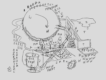 Sébastien Hendrickx, KASKlezingenlectureresearch presentationAgendaArtistic activitiesOnderzoek
Gaia, the planet-spanning Web of Life on which human survival depends, is rapidly unraveling. This natural-historical event is not a 'climate crisis.' Unlike a crisis, it does not pass and includes, in addition to climate warming, other planetary transgressions such as biodiversity loss, chemical pollution, and ocean acidification.
As an activist, Sébastien Hendrickx has tried over the past five years, together with many supporters from Extinction Rebellion, Code Red, and The Citizen's Parliament, to influence some of the social and political implications of this ecological mutation. In 2023, he initiated the Degrowth Propaganda Squad, a collective of activists, scientists, and artists promoting a systemic alternative to a politics focused on economic growth.
After being active for over 15 years as an art critic and dramaturge for performing artists such as Benjamin Verdonck, Luanda Casella, and Alexander Vantournhout, Sébastien Hendrickx found his calling as a theater maker relatively late. His debut, "The Good Life" (2021), was an immersive performance exploring the question of the good life in light of the ecological catastrophe. Since 2022, he has been creating new versions of "Moddertong," a storytelling theater piece that explores everyday relationality within a utopian community of humans and non-humans.
In his lecture, Hendrickx will reflect on the concept of a cosmogram, developed by the anthropologist John Tresch, and the role that this concept plays in his own artistic research practices. Cosmograms are representations of cosmologies or worldviews created within scientific, spiritual, or artistic contexts. How can they help address compositional challenges such as holism, multiplicity, transversality, and complexity?
 Annelys de Vet, KASKlezingenlectureAgendaArtistic activities
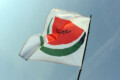
Annelys de Vet (1974, NL, she/her) is a Belgium-based designer, researcher, and educator with a practice for long-term, participative design projects that actively engage in social and political struggles. Currently, De Vet is a PhD researcher at ARIA, a practice-led doctoral study at Sint Lucas School of Arts and the University of Antwerp. Her research focuses on the conditions of design pedagogy to counteract oppression and injustice through design. She teaches in the master's program in a social-political context at the Sint Lucas School of Arts, and regularly lectures on alternative cartography, critical pedagogy, and relational design practices at various institutions worldwide.
De Vet established the temporary master's program 'Disarming Design' (2019–2022) at the Sandberg Instituut Amsterdam, dedicated to design practices in situations of oppression at the intersection of design, crafts, politics, pedagogy, community, and activism. She edited 'Design Dedication’ (Valiz, 2020), a publication exploring adaptive mentalities in design education informed by heading the MA in Design ’Think tank for Visual strategies' at the Sandberg Instituut in Amsterdam from 2009 to 2019. De Vet initiated the publishing initiative 'Subjective Editions,' which provides publications mapping countries from the inside out, offering a human perspective. Notable publications in this series include the 'Subjective Atlas of Amsterdam' (2023), 'Subjective Atlas of Brussels' (2018), 'Subjective Atlas of Colombia' (2015), and 'Subjective Atlas of Palestine' (2007).
Additionally, De Vet co-founded 'Disarming Design from Palestine,' a thought-provoking design platform developing artisanal products from Palestine that convey alternative narratives about life under occupation. This initiative started in 2012 in collaboration with Khaled Hourani and the International Academy of Arts Palestine. In 2015 it continued as an independent non-profit organization based in Belgium and Palestine since 2015. As a total, the body of work explores the role of design in public and political discourse, seeking to develop methods, structures, and tools that empower a pluralist society through design. The different projects explore how design can be a powerful activism and social change tool. The approach encourages critical thinking about the role of design in society, challenging dominant narratives, questioning preconceptions, and prompting discussions about the ethics and responsibilities of designers in addressing complex social and political problems.
Cloquet
Louis Pasteurlaan 2
9000 Gent
 (Full) Luc Tuymans, KASKlezingenlectureAgendaArtistic activities
Please note: reservations are required for this lecture.
As one of the most well-known artists in Belgium, painter Luc Tuymans really needs no introduction. With his ability to address historical and political themes in a subtle and provocative way, Tuymans has gained world fame.
With his recognisable style, limited colour palette and strong emphasis on subject matter, he tackles a wide range of themes. Politics, history, memory, identity and social issues are approached through subjects such as the Holocaust, colonial history, bureaucracy and the tensions between the individual and society. These historical and political topics are approached in a subtle and provocative way, examining and questioning the obviousness of historical events. Tuymans finds his inspiration in existing images, such as photographs and film stills, which he reinterprets and processes.
Through painting, Tuymans questions the veracity of our memories and the complexity of human experience. Through this, Tuymans has had a lasting influence on contemporary painting.
Luc Tuymans has had numerous important exhibitions in museums and galleries around the world. Some of his most notable exhibitions include participating in "Jan Hoet’s" documenta IX in 1992, which brought him international acclaim, and representing Belgium at the Venice Biennale in 2001.
Worldwide, retrospectives around his work have been organised from the San Francisco Museum of Modern Art, the Tate Modern in London, to the S.M.A.K. in Ghent and the Wiels in Brussels. In 2019, the Palazzo Grassi in Venice organised a retrospective featuring 80 paintings by Tuymans from 1986-2019. This was undoubtedly the most comprehensive retrospective exhibition the artist has had to date.
 Dina Mimi, KASKlezingenlectureAgendaArtistic activities
Dina Mimi is a visual artist and filmmaker who works and lives between Jerusalem and Amsterdam. Her practice is multifaceted and uses video, sound, performance, and text, wandering around grief. Fugitive bodies asking questions like: how does grief sound? How do we search for fictional fractions within historical accounts? What happens to the body before the vanishing point? Dina’s work consists of extended research into death and memory, especially within historical events of the colonial past.
 Marijke De Roover, KASKlezingenlectureAgendaArtistic activities
In the spring of 2024, the exhibition by Marijke De Roover will open at KIOSK. De Roover is a part-time professional karaoke singer and meme connoisseur, but is currently best known for her queer/feminist performance art. In these works, she poses questions about the nuclear family, feminism/motherhood, ethics of reproduction, and love, romance, and compulsory heteronormativity under late capitalism.
Her early work focuses on the meaning of identities and how they are created and sustained. In previous projects, she conducted research on grassroots politics and the relationship between American elections and Greek theater (You can't spell America w/o me, 2013), how identities exist on the internet in relation to pop culture (The Selfie Song, 2013), Mormon lifestyle and musicals (A Mitt Summer Night's Dream, 2014), and the cult of health (Is bio the new avant-garde, 2015), and religion (Cosmic Latte, 2016).
 Lucile Desamory, Glodie Mubikay en Gustave Fundi, KASKlezingenlectureAgendaArtistic activities
In 2020, the film TÉLÉ RÉALITÉ was released, a collaborative effort among artists Lucile Desamory, Glodie Mubikay, and Gustave Fundi. These three artists reside in different locations across Belgium and the Democratic Republic of Congo. The film's entire conception and planning occurred through messenger apps, and it was simultaneously filmed in both Belgium and Congo. The three directors first met when Desamory began editing the material. In this lecture, they reflect on this process and look forward to their new film, where they reversed the collaborative roles. This upcoming film will be initiated, edited, and completed by Mubikay and Fundi.
Lucile Desamory is fascinated by the boundaries of perception, the concept of 'too much,' and the falsified aspects present in rejected narratives. She expresses herself through painting, drawing, embroidery, photography, collage, singing, and filmmaking, combining these techniques into larger structures like installations, films, radio plays, and live performances.
Gustave Fundi Mwamba, also known as FM, began his artistic career as an actor and model, producing his first short film, Mampocha, in 2010.
Glodie Mubikay, functioning as a producer, focuses on themes related to daily life and their connection to Congolese traditional rituals. In addition to his role as a producer, Mubikay is also involved as an actor, director, screenwriter, and producer. In 2012, he co-founded Osimbi Oziki Studios with Gustave Fundi and Ray Tambwe, serving as a research and production laboratory for audiovisual and performing arts, producing fiction, documentaries, and experimental videos.
 Peggy Ahwesh, KASKlezingenlectureAgendaArtistic activities
Peggy Ahwesh is a Brooklyn based media artist whose work spans a variety of technologies and styles in an inquiry into feminism, cultural identity and genre. The discourses of film theory are applied to themes of gender subjectivity and social relations through improvised situations, found footage and low end technologies while turning the conventions of realism on end. Ahwesh came of age in the 1970s with S8 filmmaking, feminism and the punk underground in Pittsburgh.
Some of her notable works include "The Deadman" (1989), "Martina's Playhouse" (1989), "Strange Weather" (1993), and "Nocturne" (1998), among others. Her films often challenge traditional narrative structures and push the boundaries of cinematic expression, incorporating elements of found footage, collage, and surrealism.
Peggy Ahwesh's work has been exhibited at film festivals, galleries, and museums around the world, and she has received recognition and awards for her contributions to experimental cinema. Her films and artistic endeavors have had a significant influence on the world of independent and avant-garde filmmaking, particularly in the exploration of gender and sexuality.
In November 2023, Visite Festival highlights Peggy Ahwesh.
 Bassem Saad, KASKlezingenlectureAgendaArtistic activities
Bassem Saad is an artist and writer based in Beirut and Berlin. With an emphasis on past and present forms of struggle, they attempt to place scenes of intersubjective exchange within their world-historical frames. Explores concepts related to historical ruptures and connections and how the individual relates to and resists global processes of exclusion and inclusion. This exploration takes shape in film, performances, and installations, as well as written essays and fiction. Different forms of expression, often interwoven by Saad.
Saad speaks with others, as seen in 'Congress of Idling Persons,' where five characters 'play' themselves during the Arab Spring, the refugee crisis, the Black Lives Matter protests, and the explosions in the port of Beirut. The protagonists tell their own stories and live their own lives. Every individual maintains their own authorial autonomy in the script, in a collective process they work on crafting the script, performativity, costumes, and set together. The documentary avoids a naturalistic, straightforward, unmediated depiction, in doing so everyone becomes part of the stories being told. The personal becomes political, as a group of young people provides an intimate testimony of the current situation while sharing hope that the world can change.
Various voices overlap with the different forms in which Saad 'speaks.' Images overlap, resonate, and interpenetrate. Vertical frames, shot with mobile phones—the prototypical medium of ‘troublemakers’ filming themselves—are combined with the format of traditional film and with online-found and appropriated footage. What seems a formal element, becomes a signifier and part of the conceptual framework present in the work.
What binds the works together is an exploration of what democracy is and what it could be. The political struggles of different groups in different times and the question of how these struggles still resonate today. The subjects are weighty, the outcome is gripping, but at the same time, it is optimistic and combative.
 Archives des luttes des femmes en Algérie, KASKlezingenlectureAgendaArtistic activities
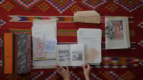
Archives des luttes des femmes en Algérie (Archieven van de vrouwenstrijd in Algerije) is een collectief en onafhankelijk project met als doel licht te werpen op de geschiedenis van de Algerijnse vrouwenbeweging sinds 1962, die lange tijd gemarginaliseerd en onbekend is geweest. Door de opbouw van een vrij toegankelijk digitaal archief wil het project een reeks schriftelijke, gedrukte en visuele materialen toegankelijk maken die zijn geproduceerd in het kader van Algerijnse vrouwenorganisaties en -collectieven en die vandaag worden bewaard door vrouwen die aan dergelijke mobilisaties hebben deelgenomen. Het project, dat in maart 2019 werd opgericht in het kader van de hirak (volksopstand in Algerije), kwam voort uit de constatering dat er vandaag de dag maar weinig bronnen bestaan over de geschiedenis van de strijd in onafhankelijk Algerije, en nog minder als het gaat om de strijd van vrouwen voor emancipatie en gelijke rechten. De materiële sporen van hun acties en mobilisaties blijven ontoegankelijk en weinig bekend. Het project wordt geleid door een collectief gevormd door Saadia Gacem, Awel Haouati en Lydia Saïdi.
De lezing wordt gegeven door Awel Haouati. Houati legt momenteel de laatste hand aan een doctoraat in sociale wetenschappen, antropologie, dat zich richt op de praktijken en het gebruik van fotografie in de context van de Algerijnse burgeroorlog in de jaren negentig. Ze is medeoprichter van het collectief Archives des luttes des femmes en Algérie.
 The Black Archives, KASKlezingenlectureAgendaArtistic activities
The Black Archives is een historisch archief en cultureel centrum in Amsterdam waar mensen terecht kunnen voor inspirerende gesprekken, inhoudelijke activiteiten en boeken vanuit zwarte en andere perspectieven die elders vaak onderbelicht blijven. The Black Archives wordt gedragen door de organisatie New Urban Collective.
The Black Archives bestaat uit verschillende boekencollecties, archieven en artefacten die het nalatenschap zijn van zwarte schrijvers en wetenschappers. De meer dan 10.000 aanwezige boeken in de collecties gaan over racisme, slavernij en (de)kolonisatie, gender en feminisme, sociale wetenschappen, Suriname, de voormalig Nederlandse Antillen, Zuid-Amerika, Afrika en meer.
Hierdoor bieden de collecties literatuur dat niet of weinig besproken wordt binnen scholen en universiteiten. De collecties zijn bedoeld als startcollectie die kan groeien door giften en samenwerkingen met anderen. Zo wordt Zwarte literatuur, kennis en informatie toegankelijk gemaakt. Op basis van de collecties ontwikkelen zij exposities, events, lezingen en advies.
In Gent is Mitchell Esajas van The Black Archives te gast, Esajas studeerde Bedrijfskunde en Antropologie. Hij is medeoprichter van New Urban Collective, een netwerk voor studenten en young professionals van diverse culturele achtergronden. Vanuit NUC is hij als duizendpoot betrokken bij verschillende initiatieven die bijdragen aan de dekolonisering van het onderwijs, diversiteit en inclusie op de arbeidsmarkt en het opzetten van The Black Archives.
 Taring Padi, KASKlezingenlectureAgendaArtistic activities
Het collectief Taring Padi werd in 1998 opgericht in Yogyakarta, Indonesië. De groep zet zich in voor de strijd tegen racisme, militarisme, milieuonrechtvaardigheid en de gevolgen van het neoliberale economische beleid waar boeren, arbeiders, inheemse gemeenschappen en andere gemarginaliseerde en minderheidsgroepen het slachtoffer van worden.
Het verbindende principe van het collectief ontstond op het raakvlak van ideologie en vriendschap en parallel met het gebruik van kunst en activisme als politiek instrument. Tijdens de laatste documenta in 2022 werden deze principes als vertrekpunt genomen voor de deelname aan de manifestatie. De documenta werd zo het platform om solidariteit te tonen met de antikoloniale en neo-kapitalistische strijd van het Mondiale Zuiden.
Tijdens de manifestatie ontstond er een verhit debat over de intenties van de organisatoren in het algemeen en Taring Padi in het bijzonder. Het lukte de criticasters hier niet om voorbij de ‘eigen neus’ te kijken en met een niet-Westerse blik het spandoek te lezen. Onbedoeld vormde dit een herhaling van de onderdrukkingsmechanismes waartegen Taring Padi al jaren strijdt.
Het gevolg was een politieke rel en de ontmantelen van het spandoek People's Justice uit 2002.
Deze controverse, benadrukte de directe verbanden tussen verschillende artistieke vormen, ideologieën, klassen en historische processen in Taring Padi's praktijk. In dit licht zal de KASKlezing de drie belangrijkste vormen van de artistieke praktijk van het collectief in de afgelopen 25 jaar verkennen: houtsnede, kartonnen pop en grootschalig spandoek. Met People's Justice als middelpunt gaat Dr. Alexander Supartono dieper in op de totstandkoming van de beeldtaal, de iconografie en de compositiewijze. Vanuit een beschrijving van de vormentaal van de werken van de werken, wordt de noodzaak ervan beargumenteerd tegen de historische specificiteit van Taring Padi's directe politieke acties.
Naast de lezing maakt Taring Padi met studenten van KASK & Conservatorium werk in het SMAK. Deze workshop kadert binnen de interdisciplinaire projectweek It's About Time! georganiseerd door Nomadic School of Arts. Op vrijdag 24 maart worden deze werken in een processie van SMAK naar de Bijlokesite gebracht. De werken zullen dan feestelijk onthaald worden.
Over Dr. Alexander Supartono
Dr. Supartono is een van de pioniers van Taring Padi en kunsthistoricus, gespecialiseerd in moderne en hedendaagse kunst in Zuidoost-Azië. Hij promoveerde in de geschiedenis van de fotografie aan de Universiteit van St. Andrews, Schotland en doceert aan de School of Arts and Creative Industries, Edinburgh Napier University. Zijn recentste publicaties omvatten: "Dolorosa Sinaga: Body, Form, Matter" (Jakarta Art Institute, 2020) en "The Silent Waiting: Javanese Antiquity and 19th century photography in the Dutch East Indies” (National Gallery Singapore, 2022). Momenteel is hij een van de hoofdonderzoekers van het Photography Unbound-project van het Getty Research Institute, dat onderzoek doet naar de toepassing van computervisie op kunsthistorisch onderzoek.
 Linda van Deursen, KASKlezingenlectureAgendaArtistic activities
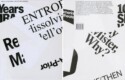
Linda van Deursen is de een van de bezielers van Mevis & van Deursen, de studio die ze in 1987 oprichtte met Armand Mevis. Met hun bureau werkte ze met kunstenaars als Gabriel Orozco en Rineke Dijkstra en voor verschillende grote culturele instellingen als het Stedelijk Museum in Amsterdam, Museum of Contemporary Art in Chicago, de documenta en de Biënnale van Venetië
Van Deursen was tot 2015 hoofddocent grafisch ontwerp aan de Gerrit Rietveld Academie in Amsterdam, sinds 2003 is ze senior criticus aan de Yale School of Art in New Haven (VS) en sinds 2017 geeft ze les aan de Koninklijke Academie in Den Haag op de master Non Linear Narrative.
Deze lezing maakt ook deel uit van de reeks Voor & Door i.s.m. de opleiding grafisch ontwerp.
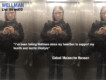 Sidsel Meineche Hansen, KASKlezingenlectureAgendaArtistic activities
De lezing van Sidsel meineche Hansen gaat over de productie van haar werken in CGI, documentaire video en stop-motion.
Het bezoek van Sidsel Meineche Hansen vindt plaats ter gelegenheid van haar solotentoonstelling in KIOSK in de lente van 2024.
 Effi & Amir, KASKlezingenlectureAgendaArtistic activities
Voor hun KASKlezing stellen Effi & Amir een diepe duik in hun praktijk voor via de studiecase van hun recente veelzijdige, op onderzoek gebaseerde project dat eind 2016 van start ging onder de werktitel Places of Articulation. Het onderzoekt de hedendaagse manifestaties van een oude praktijk, Shibboleth, die erin bestaat de groep waartoe de spreker behoort te bepalen aan de hand van een taalkundig kenmerk van zijn spraak. Het project onderzoekt de relatie tussen anatomische en geografische gebieden en de constante strijd tussen de behoefte om te definiëren, categoriseren en controleren en de ongrijpbaarheid van de werkelijkheid. In hun lezing zullen Effi & Amir grote onderdelen van hun onderzoek en de toegepaste werkmethoden delen. Ze bespreken de verschillende resultaten van het project - een lange film, installaties en een performance als verschillende ervaringen van toeschouwerschap en het opbouwen van een verhaal.
Effi & Amir zijn filmmakers en een kunstenaarsduo dat sinds 1999 samenwerkt. Geboren en getogen in Israël, afgestudeerd aan de Bezelel kunstacademie (Jeruzalem) en het Sandberg Instituut (Amsterdam), wonen ze sinds 2005 in Brussel. Hun werk is meestal gebaseerd op video en omvat performatieve en participatieve strategieën en gaat vaak over collectieve en symbolische identiteiten, de constructie en kruising ervan met concrete plaatsen en abstracte systemen. In 2000 richtten ze samen een onafhankelijk tv-programma op, Artattck. Ze zijn de initiatiefnemers van het community art project The Complete Jessy Cohen Museum (sinds 2016), ze zijn ook docenten, workshop facilitators en coaches bij SIC - geluid, beeld, cultuur.
Hun werk werd onlangs bekroond met de Artistic Vision Award (festival DocAviv 2021), Sylvster Award (Festival Indie Lisboa, 2021), Cinergie Award (Festival En ville !, 2021), The audiovisual trajectory award for documentary makers (SCAM, 2021) en de Moving Image Art Prize (Rencontres Internationales Paris/Belin 2022).
 Adam Broomberg, KASKlezingenlectureAgendaArtistic activities
Adam Broomberg is fotograaf, activist en pedagoog, gevestigd in Berlijn. Gedurende 23 jaar was hij de ene helft van het gevierde duo Broomberg & Chanarin. Deze samenwerking eindigde officieel op 20 februari 2021. Na hun 'artistieke zelfmoord' vertrok een 13 meter lange vrachtwagen met hun hele archief, foto's, negatieven, catalogi ... vanuit Londen naar Barcelona waar het werd tentoongesteld in het Fabri I Coats Museum onder de naam The Late Estate Broomberg & Chanarin.
Broombergs werk blijft gericht op machtsstructuren - de mechanismen erachter en het geweld dat ze inhouden. Dergelijke mechanismen worden blootgelegd en vervolgens toegeëigend en gebruikt in de creatie van nieuwe werken, tentoonstellingen of publicaties. Broombergs meest recente tentoonstelling en publicatie is Glitter in My Wounds, een samenwerking met dichteres CA Conrad en transgender actrice en activiste Gersand Spelsberg. Broomberg was ook de oprichter van het in Berlijn gevestigde kunstenaarscollectief Artists + Allies, een activistische kunstenaarsgroep die werkt met video, performance en installaties, zowel offline als online, meest recentelijk in Palestina. Artists + Allies onderzoekt ook kritisch het gebruik van beelden en gebruikt deze beelden vervolgens om hun kritiek te verwoorden.
Broomberg had solotentoonstellingen in Centre Pompidou (2018) en Hasselblad Centre (2017). Hij heeft ook deelgenomen aan Documenta, Shanghai Biënnale, Yokohama Triënnale en had groepstentoonstellingen in Tate Modern en MoMA.
 Rossella Biscotti, KASKlezingenlectureAgendaArtistic activities
Rossella Biscotti gebruikt montage als een gebaar om individuele verhalen en hun relatie tot de maatschappij te onthullen. In haar crossmediale praktijk komen film, performance en beeldhouwwerk samen. Ze onderzoekt en reconstrueert sociale en politieke momenten uit recente tijden via de subjectiviteit en ervaringen van individuen, vaak geplaatst tegen de achtergrond van institutionele systemen. In dit proces worden haar persoonlijke ontmoetingen en gesprekken samengebracht tot nieuwe verhalen.
Een persoonlijk en seculier onderzoek dat zijn sporen nalaat in haar sculpturen en installaties. Sporen van het leven van mensen, objecten en ideeën worden verweven tot nieuwe visuele verhalen. Door de relevantie van het teruggevonden materiaal vanuit een hedendaags perspectief te onderzoeken, creëert Biscotti links en netwerken naar het heden, waardoor de verbeelding, cultuur en ervaring van de toeschouwers wordt versterkt.
De in Italië geboren Biscotti woont en werkt in Brussel en Rotterdam. Na haar studies aan de Rijksacademie in Amsterdam, nam ze deel aan grote internationale tentoonstellingen, waaronder de Biënnale van Venetië, de Biënnale van Istanbul, documenta in Kassel, en Manifesta. Ze had solotentoonstellingen in Witte de With (het huidige Melly), Rotterdam, Haus Lange Haus Esters in Krefeld, WIELS, het Sculpture Center in New York en Secession te Wenen. Daarnaast zijn haar werken tentoongesteld bij instellingen en internationale evenementen zoals de recentste Beaufort Triennale, het Stedelijk Museum in Amsterdam, Kunstmuseum St Gallen, MAXXI, Rome, het Van Abbemuseum en ICA London, naast vele andere plekken.
 Musquiqui Chihying, KASKlezingenlectureAgendaArtistic activities
Musquiqui Chihying doet als filmmaker en beeldend kunstenaar onderzoek naar de culturele en sociale identiteiten die worden opgebouwd door de stroom en circulatie van audiovisuele beelden in de fysieke en virtuele ruimte. In de werken van Chihying komen film, geluid en hologrammen samen in een onderzoek naar de menselijke conditie en het milieusysteem en de problematiek van subjectiviteit in de sociale cultuur van de Global South in het tijdperk van globalisatie en kapitalisme. Waar werelden steeds meer lijken samen te komen online, blijven oude structuren als ‘Oost’ en ‘West’ bestaan en dominant in ons denken – en handelen. Chihying zet deze verstandhouding op scherp en kijkt hoe deze visies zich tot elkaar verhouden en wat hier de implicaties van zijn. Vanuit historische en hedendaagse voorbeelden, kijkt hij naar hoe de blik van de een de ander stuurt en wat er gebeurt als deze blikken samenkomen. Chihying neemt hierin de rol van een ‘go-between’ aan, een tussenpersoon tussen verschillende werelden, geografisch, maar ook virtueel versus de fysieke wereld.
Chihying is gevestigd in Taipei en Berlijn. Hij is lid van de Taiwanese kunstgroep Fuxinghen Studio, en de oprichter van het Research Lab of Image and Sound. Zijn werk werd getoond in verschillende internationale instellingen en filmfestivals, zoals de Berlinale (2022), Art Sonje Center in Seoul (2021), Centre Pompidou in Parijs (2020), International Film Festival Rotterdam (2020), 2016 Taipei Biennial en de 10e Shanghai Biennale (2014). In 2019 werd hij genomineerd voor de Berlin Art Prize en won hij de Loop Barcelona Video Art Production Award.
 Alexis Blake, KASKlezingenlectureAgendaArtistic activities
Alexis Blake heeft een multidisciplinaire praktijk waarin beeldende kunst, dans en performance samenkomen. Ze onderzoekt de manier waarop het lichaam wordt weergegeven en behandeld als een archief. De uitkomst van dit onderzoek wordt nadien gemanipuleerd en vormt de basis voor nieuw werk. Naast performances, kunnen dit video's, sculpturen, teksten of scenario’s zijn. In haar werk kijkt Blake naar de representatie-vormen en subjectiveringen van vrouwelijke lichamen, dat zij activeert als medium en middel voor sociaal-politieke verandering. Op deze manier worden machtsstructuren blootgelegd en methodes ontwikkeld om aan deze structuren te ontsnappen.
Blake woont in Nederland en toont haar werk internationaal. In 2021 was ze laureaat van de prestigieuze Prix de Rome.
 Neïl Beloufa, KASKlezingenlectureAgendaArtistic activities
Neïl Beloufa is een Frans-Algerijnse kunstenaar die installaties maakt, boeken, films, videowerk, games en sinds kort ook de wereld van de NFT’s verkent. Pas afgestudeerd in 2010, wist Beloufa in korte tijd de kunstwereld te overtuigen en het publiek om zijn duim te winden. Met zijn werken speelt Beloufa in op de zintuiglijke ervaring van de kijker, die uitgenodigd wordt zijn eigen overtuigingen en stereotypen te defineren en wellicht te heroverwegen. Hij snijdt hedendaagse kwesties aan die variëren van machtsverhoudingen tot digitale surveillance, gegevensverzameling en nationalistische ideologieën, tot identiteit en een postkoloniaal begrip van de wereld.
Beloufa haalt zijn inspiratie uit de online wereld, videogames, reality-tv en politieke propaganda. Hij gebruikt het vocabulaire van het informatietijdperk om het waardesysteem van een samenleving die is doordrongen van digitale technologie, waarin alles, van voedselkeuzes tot menselijke relaties, wordt vastgesteld op basis van een algoritme, aan de kaak te stellen.
De vogelvlucht die de carriere van Beloufa nam bracht hem met solo shows ondermeer naar de Pirelli Hangar Bicocca (Milan, 2021); Palais de Tokyo (Parijs, 2018); MoMA PS1 (New York, 2016); Schinkel Pavillon (Berlijn, 2015); ICA, (Londen, 2014); Hammer Museum (Los Angeles, 2013). Groepshows zijn ondermeer Centre Pompidou (Parijs, 2022), New Museum (New York, 2021) en twee maal de Biënnale van Venetië. Vorig jaar sloegen de Brusselse galerieën Mendes Wood DM en CLEARING de handen in elkaar en toonden op beide locaties het werk van Beloufa.
 Martin La Roche, KASKlezingenlectureAgendaArtistic activities
Samen met KIOSK nodigt KASKlezingen Martin La Roche uit voor een lezing over zijn Musée Légitime, het museum waar hij sinds 2017 de conservator, directeur, conciërge, schoonmaker… eigenlijk het enige personeelslid van is. Waar Marcel Duchamp een museum in een koffer stopte, heeft La Roche een hoed die deze rol vervult. Als een goochelaar neemt de kunstenaar op gepaste momenten de hoed af en presenteert hij de werken die zich op dat moment in de hoed bevinden. Aan de toeschouwer – of zijn het bezoekers – vertelt hij het verhaal van de werken en wat ze gemeen hebben. De collectie bestaat momenteel uit 155 kunstwerken die gehuisvest zijn in acht museumgebouwen (hoeden).
Naast zijn Musée Légitime, is La Roche de oprichter van Good Neighbour, een artist-run platform in Amsterdam dat zich toespitst op het maken van kunst met woorden. Sinds 2019 is hij eveneens deel van To see the Inability to See, een collectief artistiek onderzoek dat zich richt op het 'archief' en ‘anarchief’. Dit jaar geeft La Roche namens KIOSK invulling aan de advertentieruimte in Metropolis M.
Keren Cytter leeft en werkt in Amsterdam en Berlijn. Ze ontving de Baloise Art Prize 2006 en hield solotentoonstellingen in het Stedelijk Museum in Amsterdam (2004), de Kunsthalle van Zürich en Frankfurter Kunstverein (2005), en meer recent in de Kunst-Werke in Berlijn.
Dominique Goblet (Brussel, 8 juli 1967) is een Belgische kunstenares, illustratrice en pionier van de graphic novel. Haar werk is experimenteel, gevarieerd van stijl, poëtisch en dikwijls autobiografisch.
 Ane Hjort Guttu, KASKlezingenlectureAgendaArtistic activities
De film Manifesto (Ane Hjort Guttu, 2020, 27’) toont een portret van een activistisch ‘paard van Troje’ dat zich voortbeweegt binnen de contouren van een kunstacademie in Oslo, Noorwegen. Ane Hjort Guttu gebruikt haar ervaring als docente om een scherp, accuraat beeld te schetsen van het leven in zo'n instituut.
In 2020 schreef Ane Hjort Guttu een artikel in het tijdschrift Kunstkritikk.no met de titel 'The End Of Art Education As We Know It', waarin ze beschrijft hoe het kunstonderwijs sinds 2010 is veranderd. Kunstscholen hebben veel van hun autonomie verloren sinds de Bologna-akkoorden en hun overgang naar grotere onderwijsinstellingen. Terwijl het administratieve werk en dus de administratieve staf toeneemt, is het aantal docenten gedaald. De administratie is letterlijk buiten de academie komen te staan en heeft weinig contact met de dagelijkse praktijk van het lesgeven en leren. De neoliberalisering die het kunstonderwijs binnensijpelt, beïnvloedt en verandert haar praktijk door middel van organisatie, architectuur en digitalisering. In haar artikel bekijkt Guttu hoe de architectuur van kunstscholen het onderwijs zelf vormt en hoe de huidige ideologie zich manifesteert in de gebouwen van de kunstschool. Van muffe ateliers waar schilders les krijgen van een 'meesterleraar', zijn we overgestapt op open, transparante ruimtes waar een multidisciplinaire artistieke praktijk wordt aangemoedigd.
Terwijl Ane Hjort Guttu in haar artikel vooral beschrijft en discussieert, klinkt in haar film 'Manifesto', die ongeveer gelijktijdig met het artikel verscheen, een ander verhaal door. In deze fictieve documentaire neemt een groep studenten, docenten en ander personeel het heft in eigen handen en probeert de verloren vrijheid in de moderne academie terug te brengen. Ze vinden manieren om de controle te ondermijnen via een geheim systeem dat een 'schaduwacademie' creëert. De film vraagt wat je opgeeft als creativiteit wordt vervangen door orde, en geeft ons concrete plannen hoe we zelf in opstand kunnen komen tegen een neoliberaal schoolsysteem. Met de film won Hjort Guttu in 2021 de KNF Award op het Internationaal Filmfestival Rotterdam (IFFR).
Ane Hjort Guttu is kunstenaar en hoogleraar Hedendaagse Kunst aan de Oslo National Academy of the Arts. Ze werkt in verschillende media, maar heeft zich de afgelopen jaren geconcentreerd op film- en videowerken, variërend van onderzoekende documentaire tot poëtische fictie. Hjort Guttu is ook actief als schrijver en curator. Het volledige artikel ikan je hier lezen.
 Slow Reading Club, KASKlezingenlectureAgendaArtistic activities
Slow Reading Club is een semi-fictieve leesgroep die in 2016 werd opgericht door choreograaf Bryana Fritz en kunstenaar Henry Andersen. Ze handelen in geconstrueerde situaties voor collectief en individueel lezen. Centraal in hun collectieve praktijk staat een vraag over hoe betekenis doorgegeven wordt tussen lichamen in de handeling van het lezen. Als lezen een handeling is die wordt "uitgevoerd", kan het dan ook worden gechoreografeerd? En zouden zulke choreografieën een ontsnapping kunnen zijn aan dominante patronen van lezen-als-communicatie? SRC wil de ruimte van overdracht tussen tekst en lezer, lezer en lezer, tekst en tekst bezetten en erotiseren. Ze willen verblijven in de onstabiele ruimte van het lezen zelf, om te intensiveren wat Spivak "de mogelijke dreiging van een ruimte buiten de taal" noemt, die wordt geopend in het lezen en in de liefde.
Slow Reading Club organiseert grootschalige collectieve leessessies, maakt en verspreidt bootleg publicaties, produceert tentoonstellingen en geeft performances. Momenteel werken ze aan een collectief geschreven road novel die zich afspeelt op Amerika's snelwegen en voortkomt uit en gevoed wordt door haar pulp literatuur.
In deze lezing zal het duo proberen een beeld te schetsen van wat het zou kunnen betekenen om te denken en te werken vanuit de lezer. Hoe de productie te situeren binnen de handeling van de receptie, als een facet van de receptie. De lezing zal zich toespitsen op de drempel tussen lezen en schrijven, en de gevallen beperken waarin de twee activiteiten niet netjes kunnen worden gescheiden, zoals vertalingen, manuscripten of fanfictie. De hoop is dat door te denken als een lezer men in staat zal zijn om een deel van de stabiliteit en vastberadenheid die traditioneel wordt toegeschreven aan de auteur/kunstenaar uit balans te brengen en te openen naar iets meer toevallig, meer collectief, meer vreugdevol.
Slow Reading Club ging in première op kunstenfestivaldesarts 2017, in Brussel, als onderdeel van een avond getiteld Before the Codes. Sindsdien presenteerden ze leessessies, tentoonstellingen en voerden ze werk uit in contexten als MAK Schindler House (Los Angeles), Lafayette Anticipation (Parijs), Bergen Kunsthal, Kunstcentrum Vooruit (Gent), Centre Georges Pompidou (Parijs), Zentrum für Kunst und Medientechnologie (Karlsruhe), La Loge (Brussel), Radialsystem (Berlijn), Dortmunder Kunstverein, Cabaret Voltaire (Zürich), Louise Dany (Oslo), Kunstverein Harburger Bahnhof (Hamburg), en Bâtard Festival (Brussel/Amsterdam).
 Marina Pinsky, KASKlezingenlectureAgendaArtistic activities
Marina Pinsky werkt met fotografie, of met fotografische methodes, die ze uitbreidt naar sculpturen, tekeningen en installaties. Haar werk begint meestal met historische aanwijzingen, waaruit ze individuele elementen oppikt zoals architecturale vormen en wetenschappelijke voorstellingen. Ze onderzoekt de contouren van onze verzadigde beeldcultuur en suggereert perspectivische plots binnen historische gebeurtenissen als platforms voor verbeelding. De relatie tussen object en beeld in haar werk krijgt vorm als een individuele ervaring, waarbij interpretatie lineariteit omzeilt door gebruik te maken van vrije associatie om aan te geven hoe een beeld kan communiceren.
In haar recente tentoonstelling Le Rail in C-L-E-A-R-I-N-G, Brussel, toonde ze tweeëndertig platte beelden en een enkel model van een treinwagon. Samen vormen de tweeëndertig beelden een complete weergave van een papieren kaart die in het bezit was van één enkele werknemer van Infrabel, een man genaamd Ruben Dewel, die ze aan Pinsky uitleende. De kaart is voorzien van zijn handgeschreven aantekeningen en marginalia in pen en potlood. De kaart toont het werk van Dewel, een tekening van het treinsysteem in en rond Brussel, waarop te zien is hoe elektriciteit en sporen samenkomen. Het is een vereenvoudiging, of een abstractie van een ongelooflijk ingewikkeld systeem en tegelijk een gecodeerd complex dat misschien maar één man echt kan begrijpen. Het toont de cultureel verankerde beeldtaal die ons omringt, terwijl de virtuele en fysieke wereld worden samengevoegd en naar andere vormen worden omgezet.
Marina Pinsky woont en werkt momenteel in Brussel en Berlijn. Ze studeerde aan de University of California, Los Angeles en de School of the Museum of Fine Arts, Boston. Haar recente tentoonstellingen omvatten tentoonstellingen in 303 Gallery, NYC; De Vleeshal, Middelburg, Nederland; C-L-E-A-R-I-N-G, Brussel; WIELS Centrum voor Hedendaagse Kunst, Brussel; Kunsthalle Basel, Zwitserland; Kunstverein, Düsseldorf; The Museum of Modern Art, New York; 13de Biennale de Lyon; en het Hammer Museum, Los Angeles. De kunstenaar wordt vertegenwoordigd door C-L-E-A-R-I-N-G, Brussel/NYC en 303 Gallery NYC.
 Åbäke - On my child labour, KASKlezingenlectureAgendaArtistic activities
Åbäke is een multidisciplinaire ontwerpstudio uit Londen die werkt met grafische vormgeving, mode, kunst, publicaties, film, gastronomie, muziek, meubilair, dans, architectuur, en waarschijnlijk nog veel meer. Ze zijn mede-uitgever en ontwerper van het tijdschrift Sexymachinery, zijn mede-directeur van het kleding- en platenlabel Kitsuné en runnen de uitgeverij Dent-De-Leone. Deze tussenvorm staat centraal in hun werk, ze omarmen het samenwerkingsaspect dat het mogelijk maakt en ze zijn vaak direct betrokken bij het werk dat ze maken. Omdat Åbäke voortdurend de aandacht van de kunstwereld trekt, voldoen de meeste van hun projecten niet aan de criteria van functionaliteit, maar roepen ze vragen op over hoe design de overdrachtsvormen van cultuur weergeeft. Hun activiteiten bestaan uit het verzorgen van publicaties, het curatorschap, lezingen en workshops. In hun eigen woorden: "[Åbäke] betekent 'iets ertussenin', 'een lompe roestige auto die nog functioneert maar niet mooi is', 'iets lomps', groot ding', 'gedrocht', nogal negatieve definities, maar ze beschrijven losjes wat we doen."
Åbäke is actief sinds 2000, sindsdien hebben ze samengewerkt met modeontwerpers als Hussein Chalayan en Maison Martin Margiela, kunstenaars als Ryan Gander, Johanna Billing en Martino Gamper, en bands als Air en Daft Punk. Ook blijven ze hun 'Slow Alphabet' uitbreiden, een lettertype waarbij elk karakter gedurende een aantal jaren via een andere publicatie wordt uitgebracht.
 Jacqueline de Jong in gesprek met Monali Meher, KASKlezingenlectureAgendaArtistic activities
In 1959 verhuist De Jong naar Parijs waar zij zich aansluit bij de Internationale Situationisten, de artistieke en intellectuele beweging opgericht door onder andere Guy Debord, Asger Jorn en Constant Nieuwenhuijs. Tussen 1962 en 1968 is De Jong de redacteur en uitgever van de The Situationist Times, het cahier van de Situationisten waar verschillende kunstenaars, dichters en intellectuele zoals Roberto Matta, Wifredo Lam en Jacques Prévert aan meewerkte. Vanaf de vroege jaren 1960 werkt De Jong aan een divers oeuvre dat bestaat uit schilderkunst, tekenkunst, grafiek, beeldhouwkunst, en het maken van sierraden. Hoewel divers qua medium, zijn de werken verbonden door een sterke persoonlijke signatuur, die gevoed is door de historische avant-gardes, maar hier tegelijkertijd tegenin gaat en een antwoord op lijkt te formuleren. De Jong blijft zich vernieuwen en voeden door de hedendaagse kunst en de wereld rond haar. Zo voorkomt ze in de valkuil van de herhaling te vallen, en blijft het werk boeiend en actueel. Samen met Thomas H. Weyland zaliger, richtte ze in 2008 de Weyland de Jong stichting op. Het belangrijkste doel is het ondersteunen van avant-garde kunstenaars uit alle disciplines, architecten en kunstenaar-wetenschappers van boven de vijftig. In de rijke artistieke loopbaan die De Jong heeft, stelde - en stelt ze, wereldwijd tentoon. Recent had ze solotentoonstellingen in het Stedelijk Museum (Amsterdam), Museum Jorn (Silkeborg, Denemarken), Malmö Konsthall (Malmö, Zweden), Musée des Arts Décoratifs (Parijs, Frankrijk). Momenteel loopt de solotentoonstelling The Ultimate Kiss, in het WIELS (Brussels).
In deze KASKlezing gaat De Jong in gesprek met Monali Meher, een kunstenaar die momenteel in Gent woont, maar die De Jong in Amsterdam leerde kennen waar Meher begin jaren 2000 de Rijksakademie volgde. Meher werkt net als De Jong in verschillende media, hoewel haar voornaamste medium performance is. In haar performances en in veel van haar andere werken, staat het lichaam centraal. Het lichaam als spiegel van identiteit, of als nulpunt vanwaar reizen beginnen. Naast, of met het lichaam vormt tijd een constante in de performances van Meher, of het nu gaat om een ingepakt object of een performance. Ze gebruikt tijd als medium, dat wordt uitgetrokken, samengeperst of vastgelegd. De aspecten van continuïteit, herhaling, kwetsbaarheid, duur, tijdelijkheid, bewustzijn en publieke betrokkenheid zijn inherente kwaliteiten die terugkomen in haar kunstpraktijk.
De Jongs en Monali’s leven en praktijk verschillen op het eerste zicht veel van elkaar. Toch zijn er zaken die hen binden: in beide gevallen zijn het vrouwen wiens leven en praktijk gevormd is door de reizen die ze maakten, zowel fysieke als artistieke. Bovendien hebben ze allebei een interesse in de aardappel. De Jong gebruikt de uitgeschoten aardappelen voor het maken van sieraden en Monali als onderdeel van haar performances. Meher zegt hierover: ‘Het gebruik van natuurlijke en kortstondige ingrediënten in mijn werk resulteert in een proces van vergankelijkheid in een kortstondig moment van de tijd. Dit is volkomen, dus onvermijdelijk en opzettelijk. Zulke assemblages en installaties zijn tijdelijke constructies in tijd en ruimte die gecreëerd worden binnen de ‘performance’.
Het gesprek wordt in het Engels gevoerd.
 Fernando Marques Penteado, KASKlezingenlectureAgendaArtistic activities
Fernando Marques Penteado is een Braziliaans kunstenaar die in Brussel woont. Zijn werk komt tot stand volgens een zeer welbepaalde methode die lange processen en specifieke technieken omvat die hardnekkig worden gehanteerd. Onder het pseudoniem "gender", dat natuurlijk verkeerde veronderstellingen op basis van gewortelde vooroordelen naar voren brengt, heeft de kunstenares een werktraject dat in het bijzonder gekenmerkt wordt door borduurwerk, dat uiteindelijk kledingaccessoires, boeken en gevonden voorwerpen met elkaar verbindt. Werken waarin hij autobiografische en historische materie combineert met literaire creaties. Vertrekkend van een diepgaand onderzoek naar de bijdrage van het textieluniversum tot de visuele cultuur en de verspreiding van kennis, werkt de kunstenaar verhalen uit die doordrongen zijn van zijn eigen persoonlijke woordenschat, waarvan de diepzinnigheid wordt gearticuleerd door speelse ondertonen die voortdurend de betekenis van de dingen onderzoeken. In de door Penteado genaaide voorstellingen staan gemeenschappelijke menselijke relaties en historische en semantische verschuivingen centraal. Daarbinnen worden onderwerpen als seksualiteit, homo-erotiek, gender en geweld beschouwd vanuit een perspectief dat maatschappijkritiek vanuit een huiselijke omgeving onder woorden brengt.
In KIOSK kan je de tentoonstelling Dear Yves, bezoeken met werk van de kunstenaar.
 KASKlezing Benny Nemer, KASKlezingenlectureAgendaArtistic activities
Kunstenaar, dagboekschrijver en postdoctoraal onderzoeker Benny Nemer presenteert een performatieve lezing over zijn onderzoek naar de postkaartenverzameling van de Franse auteur en fotograaf Hervé Guibert, die na zijn dood aan AIDS in 1991 onder zijn vrienden werd verspreid. Nemer's onderzoek, dat feiten, fantasie en autobiografie vermengt, ontvouwt zich langs labyrintische paden en ontwikkelt queer methodes voor het traceren van verwantschap door middel van participatieve praktijken, epistolaire acties en dubieuze benaderingen van kunstgeschiedenis.
Benny Nemer is een in Montreal geboren kunstenaar die in Parijs woont. Zijn artistieke werk brengt emotionele ontmoetingen tot stand met muzikaal, kunsthistorisch, botanisch en queer cultureel materiaal en moedigt aan tot diep luisteren en empathisch kijken. Hij gebruikt audiogidsen, klokken, boeketten, keramische vazen, betoverde bossen, kamerschermen, homoseksuele ouderen, bladgoud, liefdesbrieven, madrigalen, megafoons, spiegels, naakte mannen, queer bomen, seksueel veranderende bloemen, gebarentaal, ondertitels en de stemmen van vogels, jongenssopranen, countertenors en sirenen. Nemer's werk is internationaal tentoongesteld en maakt deel uit van de permanente collecties van het Kunsthistorisches Museum Wenen, het Polin Museum voor de Geschiedenis van de Poolse Joden in Warschau, Thielska Galleriet Stockholm en de National Gallery of Canada in Ottawa. Nemer is een aankomend postdoctoraal onderzoeker en artistiek assistent bij KASK & Conservatorium.
 Will Holder, KASKlezingenlectureAgendaArtistic activities
Typographer Will Holder runs uh books whose singular “uh” suggests one adaptive whole of a plural “books”. The disparity between written logotype (a) and its spoken “uh” (say out loud: “a sandwich, a wallet, and a giraffe”) is suggestive of the publisher’s work with artists, musicians and certain institutions – using conversation as model and means. The work pre- and describes relations between people, their multiple voices, memory, song, recounting and accounting, by way of speech, performance and transcription, getting words on, and primarily off the printed page.
Holder edits and publishes F.R.DAVID, since 2007, a journal concerned with the organisation of reading & writing in the arts (co-published with KW, Berlin). The latest issue of F.R.DAVID will be available at a reduced rate of EU 5. Cash only.
 Dr. A.K.C. Crucq over de oorsprong van decoratieve patronen, KASKlezingenlectureAgendaArtistic activities
De (universele) oorsprong van patronen is een regelmatig terugkerend onderwerp in het discours over de kunsten dat niet alleen beperkt is gebleven tot het kunsthistorische debat. Ook cognitief psychologen en evolutiebiologen menen universele aspecten te herkennen in de patronen die de verschillende decoratieve tradities hebben voortgebracht. Daar waar in de kunstgeschiedenis een begrip als universaliteit tegenwoordig minstens als vrij problematisch wordt gedacht, hebben (nieuwe-) onderzoeksmethoden in de cognitieve psychologie het debat over universele patronen juist weer leven ingeblazen.
Niet zelden stuit men in het denken over universaliteit en kunst op dezelfde valkuilen als die uit de negentiende eeuw toen met name in Engeland in de nasleep van de industriële revolutie het debat over decoratieve patronen en universele ontwerpprincipes hoog oplaaide. Aanleiding voor het debat was destijds het op industriële schaal klakkeloos kopiëren van historische stijlen en motieven. Als reactie daarop vonden ontwerpers zoals Owen Jones en Christopher Dresser dat men terug moest naar de universele principes die aan het ontwerpen ten grondslag zouden liggen. Ook in onze tijd heeft technologie een enorme impact op de ontwerppraktijk. Aan de ene kant kan men beweren dat technologie de ontwerper vervreemdt van het belichaamde aspect van het maken van patronen maar aan de andere kant heeft technologie het vormenrepertoire juist weer enorm verrijkt. Wat betekent dat in het licht van die vermeende universaliteit?
In deze lezing zal Arthur Crucq de belangrijkste theorieën over patronen in de kunstgeschiedenis bespreken, zoals die van Owen Jones, Gottfried Semper, Alois Riegl en Ernst Gombrich. Maar hij zal ook stilstaan bij het empirisch onderzoek naar patronen en ontwerpprincipes en deze in het perspectief plaatsen van een aantal recente voorbeelden uit de archeologie dat opnieuw vragen oproept over de oorsprong van het maken van patronen.
Deze lezing gaat door ihkv een minor van docent Henri Jacobs.
Dr Arthur Crucq is verbonden als universitair docent aan het Leiden University Centre fort he Arts in Society van de Universiteit Leiden waar hij lesgeeft aan de BA opleidingen kunstgeschiedenis en arts, media & society, en aan de MA arts and culture en de research MA arts, literature en media.
In 2018 verdedigde hij zijn proefschrift Abstract patterns and representation: the re-cognition of geometric ornament, waarmee hij het cognitieve onderzoek over patronen heeft willen verfijnen en verrijken met inzichten uit kunsthistorische theorie. Met zijn proefschrift heeft hij het onderscheid tussen het representatieve en abstracte willen problematiseren door duidelijk te maken dat (juist) abstracte patronen laten zien hoe representatie werkt. In zijn onderzoek is Crucq geïnteresseerd in het effect van onderliggende patronen van kunstwerken op de kijker, alsmede aspecten van agency van kunstwerken en de wisselwerking daarin tussen architectuur, sculptuur en ornament. Verder is hij geïnteresseerd in empirische benaderingen van kunst en deed hij in dat kader een eye-tracking experiment in Wenen over het kijken naar linear perspectivische schilderijen. Ook publiceert hij regelmatig over contemporaine kunst en cultuur vanuit een maatschappelijk perspectief.
Sammy Baloji, KASKlezingenlectureAgendaArtistic activitiesSammy Baloji werkt als beeldend kunstenaar vooral met fotografie, maar daarnaast maakt hij videowerken en installaties. In zijn fotografisch werk verkent Baloji de nagedachtenis en de geschiedenis van de Democratische Republiek Congo. Zijn werk is een permanent onderzoek naar het culturele, architecturale en industriële erfgoed van de regio Katanga, vaak in relatie tot de Belgische kolonisatie. Baloji plaatst fotografische realiteiten naast elkaar; heden en verleden, realiteit en ideaal, om culturele en historische spanningen aan het licht te brengen. Architectuur en het menselijk lichaam dragen sporen van de sociale geschiedenis, het zijn plaatsen van herinnering en getuigen van machtsoperaties. Zijn werk onderzoekt hoe identiteiten worden gevormd, hervormd, gemanipuleerd en opnieuw uitgevonden.
België verrijkte zich door de koperontginning in Congo en gebruikte koper om munitie te produceren. In UNTITLED (2015 / 2021), brengt de kunstenaar deze zaken samen in een installatie die bestaat uit koperen patroonhulzen die na de Wereldoorlogen in België gebruikt werden in woonkamers en cafés als asbakken of bloempotten. In de installatie worden de hulzen gepresenteerd met de ‘oer-Vlaamse’ sanseveria, een plant die eveneens uit Congo blijkt meegenomen te zijn.
Tijdens de afgelopen editie van Beaufort zette Sammy Baloji dit onderzoek verder: het vertrekpunt hier was het munitiedepot dat onder de zandbank ‘de paardenmarkt’ ligt. Naar analogie met de granaten die onder water werden gedumpt en een ecologische bedreiging vormen, zonk ook onze herinnering aan de rol van de Democratische Republiek Congo tijdens beide wereldoorlogen naar de krochten van het Belgisch geheugen. Verschillende Congolese soldaten vochten aan Belgische zijde mee. In zijn installatie ‘… and to those North Sea waves whispering sunken stories’ krijgen deze vergeten stemmen opnieuw hun stem terug. Het werk weergalmt ook de onderdrukking door de koloniale politiemacht Force Publique en de inzet van slavenarbeid voor de ontginning van grondstoffen in Congo ten dienste van Belgische oorlogsvoering.
Sammy Baloji had solotentoonstellingen in: Lund Konsthall en Aarhus Kunsthal (2020); Congo, Fragments d’une histoire, Le Point du Jour, Cherbourg (2019); A Blueprint for Toads and Snakes, Framer Framed, Amsterdam (2018); Urban Now: City Life in Congo, Sammy Baloji en Filip de Boeck, The Power Plant, Toronto en WIELS, Brussel (2016- 2017). Zijn werk was onder meer te zien in groepstentoonstellingen zoals de Fotofest Biënnale 2020, Houston; het Palais de Tokyo, Parijs (2020); de Architectuurbiënnale van Chicago 2019; de 22e Biënnale van Sydney (2020); documenta 14 in Kassel/Athene (2017); het Garage Museum voor Hedendaagse Kunst, Moskou (2017); het Smithsonian National Museum of African Art, Washington DC (2017), de Lyon Biennale in 2015 en de Biënnale van Venetië (2015). Sammy Baloji is Chevalier des Arts et des Lettres, en hij ontving talrijke prijzen. In 2019-2020 verbleef hij in de Académie de France-Villa Medicis in Rome. In 2008 was Sammy Baloji medeoprichter van de Biënnale van Lubumbashi.
Wanneer er meer dan 50 aanwezigen zijn in het auditorium, zal je Covid-safe ticket gecontroleerd worden.
Sophie Nys, KASKlezingenlectureAgendaArtistic activitiesVanwege de lockdown werden verschillende tentoonstellingen van Sophie Nys geannuleerd of danig ingekort. In de lezing Unlocky me gaat ze dieper in op deze tentoonstellingen; wat was er uiteindelijk zichtbaar en wat bleef er nadien over van een project dat gedurende zijn creatie totaal transformeerde. Ze gaat in op de vragen die deze tentoonstellingen oproepen en op de interne keuken van haar kunstpraktijk.
Nys maakt sculptuur, foto’s, videos, teksten en objecten waarin filosofische, politieke, historische en artistieke thema’s onderzocht worden. Op een speelse en humoristische manier combineert ze een minimalistische beeldtaal met een conceptuele werkmethode. Het startpunt is een intuïtief en associatief onderzoek rond specifieke contexten of persoonlijke ervaringen. Door vertrouwde voorwerpen en beelden uit hun gekende context weg te halen, ze te transformeren en zo te herdefiniëren, toont en ondermijnt ze niet alleen de onderliggende mechanismes van de kunstwereld maar nodigt ze ook uit tot reflectie; welke betekenis dragen voorwerpen en vormen buiten de door ons gekende? De toeschouwer wordt uitgedaagd om een gegeven functie – en vorm – niet enkel te accepteren, maar deze opnieuw te interpreteren en te duiden. Wat was ‘ooit’ de betekenis en wat is deze nu, lijkt Nys te vragen.
Voor de opening van een nieuw politiekantoor in Zwitserland, werd Nys uitgenodigd om een nieuw kunstwerk te maken. Ze maakte hiervoor ‘Two revolutions a day’ een op het eerste zicht klassieke, wat saaie kantoorklok. De titel verwijst droogweg naar de twee "toernades" die een uurwerk maakt binnen een etmaal. Bij nadere inspectie blijken de cijfers vervangen door de contouren van de middelvinger van de kunstenaar.
In ‘Fort Patti II’ vertrok Nys van een een foto uit 1915 die ze vond kort na de Occupy-protesten van 2011 in New York. De foto werd genomen tijdens de constructie van metrostation Wall Street en toont een oude, blootgelegde waterleiding, alsof ze door een archeoloog zou zijn gedocumenteerd. De erop geïnspireerde installatie omvat een keramische buis die is gemonteerd op twee Emeco Navy stoelen, tijdens WOII ontwikkeld voor de Amerikaanse marine. Op de buis emailleerde Nys de blauwe, droevige ogen van Walt Disney’s Dumbo. ‘Fort Patti II’ verwijst niet alleen naar het ontbreken van een archeologische cultuur in de Verenigde Staten, maar ook naar het Amerikaanse imperialisme dat door kapitalistische en militaristische structuren wordt ondersteund.
Sophie Nys studeerde aan Sint-Lukas in Gent en vervolgde haar opleiding aan de Jan van Eyck academie in maastricht. Ze toonde afgelopen jaren haar werk in WIELS (Brussel), La Salle de bains (Lyon), KIOSK (Gent), Fondazione Prada (Venetie), Kunsthalle Wien (Wenen), CRAC Alsace (Altkirch, FR); Haus Konstruktiv (Zürich). Ze woont en werkt in België.
Simon Starling, KASKlezingenlectureAgendaArtistic activitiesSimon Starling maakt objecten, installaties, films, foto’s en pelgrimachtige reizen die een scala aan ideeën over natuur, technologie en economie oproepen. Starling omschrijft zijn werk als "de fysieke manifestatie van een denkproces", waarbij verborgen geschiedenissen en verbanden aan het licht worden gebracht. Het is een interesse in datgene wat er gebeurt wanneer een object verandert in een ander object en wat er hier over dit object wordt prijsgegeven. Op deze manier zijn zijn werken fysieke manifestaties van een denkproces.
Autoxylopyrocycloboros begon als een vier uur durende ‘entropische reis’ over het Schotse Loch Long met een kleine houten stoomboot. De boot werd aangedreven door het hout dat stuk voor stuk uit zijn eigen romp werd gezaagd. Om vooruit te komen moet het schip dus afgebroken worden, wat onvermijdelijk tot zijn ondergang leidt. Met het werk reflecteert Starling op de omgeving van Loch Long, Het meer is de geboorteplaats van het stoomschip, maar tegelijkertijd ook de thuishaven van zijn verre neef, de Trident, de door stoom aangedreven kernonderzeeër.
Shedboatshed (Mobile Architecture No 2) uit 2005 – het werk waarmee Starling de famueze Turner Prize won – vertrekt van een soortgelijke circulariteit. Starling ontmantelde een schuurtje en maakte er een boot van; geladen met de overblijfselen van het schuurtje werd de boot over de Rijn naar een museum in Bazel gepeddeld, ontmanteld en opnieuw tot een schuurtje gemaakt. Beide pelgrimstochten bieden een soort steunpunt tegen de druk van moderniteit, massaproductie en mondiaal kapitalisme.
Simon Starling, is afgestudeerd aan de Glasgow School of Art, en heeft veelvuldig geëxposeerd in musea en instellingen over de hele wereld, waaronder solotentoonstellingen in Frac Ile-de-France, Le Plateau in Parijs (2019), Musée regional d'art contemporain in Sérignan (2017), Museum of Contemporary Art in Chicago (2014), Monash University Museum of Art in Melbourne (2013), Tate Britain in Londen (2013, 2009), naast vele anderen. In 2003 vertegenwoordigde hij Schotland op de Biënnale van Venetië, en in 2005 won hij de prestigieuze Turner Prize.
 gerlach en koop, KASKlezingenlectureAgendaArtistic activities
Kunstenaarscollectief gerlach en koop, - met kleine letters geschreven en zonder - werken sinds 2000 samen als één kunstenaar. Een ondoorzichtige kunstenaar waar geen biografische informatie over bekend is. Soms tonen ze zelfs geen kunst, maar de ruimte waarin die kunst getoond zou kunnen worden, werk van anderen, een gat in de muur of een opdracht aan de toeschouwer. Ze werken met de conventies van tentoonstellingen en de beeldende kunst; titels, titelkaartjes, beschrijvingen, … elementen die in elke tentoonstelling terugkomen, maar zich hier in een andere hiërarchie verhouden tot ‘de kunst’. Ze werken dus zowel met, in- als naast de kunst en dit op een zo secuur mogelijke manier. Minutieus wordt de kunst ontleed zoals een padvinder een uilenbal ontleedt en verwonderd naar alle botjes van de muizen, kikkers en vleermuizen kijkt. Het blijft echter niet bij kijken, de uilenbal wordt opnieuw in elkaar gezet op zo’n manier dat de muizenbotjes iets lijken te zeggen over die van de kikker, terwijl de kikker en de vleermuis ineens hetzelfde diertje blijkt te zijn. Hoewel hun acties in grote mate van intellectuele aard zijn, wordt er wel degelijk ‘gecreëerd’. Er worden werken gemaakt, al zijn het vooral situaties die gecreëerd worden, een situatie waarin elk onbeduidend detail het kunstwerk- of deel van de tentoonstelling kan zijn. Het is hier niet het museum dat bepaalt wat het werk is, maar de kunstenaar, in samenspraak met de toeschouwer.
Yael Davids, KASKlezingenlectureAgendaArtistic activitiesVanaf de jaren 1990 stelt Yael Davids het lichaam centraal. Het lichaam in relatie tot de ruimte en de ruimere wereld daarrond. Hoe ontstaan gewoontes, wat onthoudt het lichaam en wat kunnen wij ons lichaam aanleren? Het lichaam als spiegel van de geest is gekend, maar hoe is dat lichaam ook een spiegel van zijn omgeving, van de realiteit waarin het beweegt en hoe transformeert de realiteit niet enkel het lichaam, maar ook andersom, wordt de realiteit vormgegeven vanuit het lichaam? Op deze vragen wordt een antwoord gegeven via performances, scenografieën, ruimtelijke interventies, video en partituren. Bijvoorbeeld in haar recente solotentoonstelling ‘A Daily Practice’ in het Van Abbemuseum in Eindhoven. In tien zalen deed Davids onderzoek naar ‘lichamelijk leren’ vanuit de bewegingsleer van Moshé Feldenkrais. Deze Israëlische natuurkundige ontwikkelde een methode om het menselijk functioneren te verbeteren door middel van subtiele bewegingen. Een verandering van bewegen betekent een verandering in denken en ervaren, dat is het centrale idee. Davids onderzocht in het Van Abbe hoe zijn ideeën ingezet kunnen worden bij het kijken naar kunst. Dit deed ze door verschillende workshops te geven, maar ook vanuit een scenografie. Daarin bood Davids ruimte aan verschillende verwante kunstenaars, aan vrouwelijke kunstenaars waar pas recent meer aandacht voor is en aan de toeschouwer, die zelf zijn parcours bepaalt en zo zijn ervaring vormgeeft. De tentoonstelling is zo niet enkel de plek om werk te tonen, maar wordt veel meer nog de plek waar de mogelijkheid gecreëerd wordt om naar werk te kijken, of te ervaren. Het werk van de kunstenaar is zo de mogelijkheid om ander werk te ervaren en ook jezelf opnieuw te leren kennen.
Het werk van Davids wordt getoond in verschillende internationale tentoonstellingen, op documenta14 (Kassel) en in Museo Tamayo in Mexico Stad. In 2020 nam ze deel aan de Liverpool Biennial. Yael Davids woont en werkt in Amsterdam.
Palestijns filmmaker en installatiekunstenaar Nida Sinnokrot (1971, VS) geeft een lezing over zijn praktijk en solotentoonstelling die daags nadien, vrijdag 16 februari, in KIOSK opent. Sinnokrot tracht de politiek en mechaniek van cinema als massamedium open te breken en zet daar een diversiteit aan nieuwe, zelfkritische vertelvormen tegenover. Zijn camera functioneert als een tool waarmee hij over zijn thuisland, ontheemding en de relatie tussen technologie en kolonialisme vertelt. Met zijn verlangen om de cinematische machine zoals wij deze kennen te bevrijden, drukt hij tevens zijn eigen hybride identiteit uit. Sinnokrot zal enkele sculpturale en filmische installaties in de ruimtes van KIOSK. Ze projecteren een andere manier van kijken waarbij de lineaire tijd en het vaste perspectief dat wij associëren met het traditionele filmapparaat ontregeld worden.
De Palestijnse Dalia Taha schrijft theater en poëzie. Ze werd in 1986 in Berlijn geboren maar groeide op in Ramallah en studeerde in 2009 af aan de Universiteit van Birzeit met een diploma Architectuur. Ze werkte een postgraduaat af aan het departement theater van Brown University in Providence, Rhode Island. Haar nieuwste stuk, There is no one between you and me, werd als een publieke lezing gepresenteerd in het Edinburgh International Festival van 2017. De regisseur Bashar Murkus zal het ensceneren voor de opening van het nieuwe gebouw van de A.M. Qattan Foundation in Ramallah. Dalia publiceerde ook twee dichtbundels en een roman.
5200 woorden—‘Doen’ van taal als collectief ritueel
Melih Gençboyaci is geboren in Duitsland en groeide op in Turkije. Hij is schrijver, theatermaker en performer en was recent nog te zien in ‘Sneeuw’ van Luk Perceval, een coproductie van NTGent, TheaterRotterdam en Zina. In april 2016 begon hij bij Zina met de ontwikkeling van zijn eigen project 5200 woorden. Hij werkte hiervoor samen met taalwetenschappers en ergotherapeute Nadine Blankvoort.
Voor 5200 schreef Gençboyaci een tekst in zijn typisch Turks-Duits-Nederlandse taal. Deze sprak hij daarna in via de digi-recorder van zijn computer, die hem niet begrijpt. Dit leidt tot spraakverwarring.
Melih zal die tekst zelf brengen op ons podium. Daarnaast zal hij vertellen over zijn werkproces van het afgelopen jaar waarbij hij met vluchtelingen in Amsterdam heeft gewerkt rond de idee van het leren van een nieuwe taal. “Het doen van taal als collectief ritueel”, zoals hij daar zelf over spreekt.
Julia Born lives and works in Zürich. After completing her studies at Amsterdam's Gerrit Rietveld Academie in 2000, she worked on various projects between Switzerland, Amsterdam and recently Berlin. Her work focuses on editorial design for a variety of cultural clients such as the Swiss Federal Office of Culture, Stedelijk Museum in Amsterdam, Kunsthalle Basel, ICA Miami, Guggenheim Museum New York, Hamburger Bahnhof in Berlin, and most recently documenta 14 in Kassel and Athens, under the artistic direction of Adam Szymczyk. The work, developed in close dialogue with institutions, curators and artists, includes books, magazines, exhibition design, identities and more. Apart from commissioned work she has continuously collaborated with other designers and artists on investigative projects, such as photographer Uta Eisenreich, fashion designer JOFF, and choreographer Alexandra Bachzetsis. These projects revolve around the subject of language and representation. She teaches graphic design at the Gerrit Rietveld Academie in Amsterdam, and is visiting lecturer at various art and design institutes throughout Europe and the US. From 2003 to 2007 she has been a jury member of “The Most Beautiful Swiss Books” competition. On the occasion of the Inform Award for Conceptual Design, she produced her first solo show and the catalogue Title of the Show, at the Museum of Contemporary Art in Leipzig, Germany. Among other prizes she received the Jan Tschichold Prize in 2011. Her work has been exhibited internationally.
Dat we ons niet meer in herhaling lieten vallen…
Rebekka de Wit maakt en speelt met woorden. Ze debuteerde enkele jaren geleden met de roman We komen nog één wonder tekort, uitgegeven bij AtlasContact. Intussen schrijft ze voor de Correspondent, das Magazin, Oogst en RektoVerso. De Wit is ook actief binnen het theater. Ze werkte onder anderen voor de Singel, de NWE Tijd en Behoud de Begeerte. Samen met Willem de Wolf (cie. De Koe) werkt ze nu aan een stuk voor het staatstheater van Mainz.
Op deze Studium-avond wordt er geen Sinterklaas gevierd, maar wel gezocht naar een antwoord op vragen die perfect passen in de sinterklaastijd: Kan je geloven in iets wat je zelf bedenkt? Als we deel uit willen maken van iets dat groter is dan wij, kunnen we dat dan zelf uitvinden? Hoe ga je om met het veroordeeld zijn tot individu en de zoektocht naar iets groters dan dat?
 Anne Teresa De Keersmaeker in gesprek met Frederik Le Roy, KASKlezingenlectureAgendaArtistic activities
!!!Dit vraaggesprek is verplaatst naar MIRY Concertzaal en start uitzonderlijk om 20:30. De toegang is gratis, reserveren is verplicht via ticketsgent.be.
Anne Teresa De Keersmaeker gaat in gesprek met Frederik Le Roy, docent aan het KASK en gastprofessor aan de UGent.
Anne Teresa De Keersmaeker (°1960) maakte haar eerste choreografie Asch in 1980, na haar studie dans aan Mudra in Brussel en de Tisch School of the Arts in New York. Twee jaar later ging Fase, Four Movements to the Music of Steve Reich in première. In 1983 richtte De Keersmaeker in Brussel het dansgezelschap Rosas op, tijdens de creatie van de voorstelling Rosas danst Rosas. Sindsdien berust haar choreografisch werk op een nauwgezette verkenning van de band tussen dans en muziek. Met Rosas creëerde ze een omvangrijk oeuvre dat gebruikmaakt van muzikale structuren en partituren uit verschillende tijdperken, van oude muziek tot hedendaagse composities en popmuziek. Haar choreografische praktijk ontleent ook vormelijke principes aan de geometrie, wiskundige schema's, de natuur en sociale structuren, resulterend in een unieke kijk op de beweging van het lichaam in tijd en ruimte. In 1995 stichtte De Keersmaeker in Brussel de school P.A.R.T.S. (Performing Arts Research and Training Studios), in samenwerking met De Munt/La Monnaie. De Keersmaeker speelde met Rosas in grootste theaters wereldwijd, naast haar optredens verschenen er verschillende films, boeken en educatieve projecten die haar praktijk verder omkaderen. In 2015 'exposeerde' De Keersmaeker drie weken in het WIELS, een choreografisch- perforatie project dat later in een verkorte versie onder andere in Tate en Moma herhaald zou worden.
Eva Barois De Caevel (based in Paris) is an independent curator, writer, and researcher.
Invited by KASK to present her curatorial practice through a lecture and a meeting with the students of the curatorial studies program, she proposed to discuss this traditional communication structure: « When you are invited to stand in front of other people as a speaker, it implies, of course, that you are in a position of doing it — that you are in some way ‘a specialist’ of something that is supposed to interest these people —, but I became convinced that it implies also some sort of unsaid presupposition about your being ‘successful’, whatever it means ». She would like to give the students an opportunity to discuss, through a workshop, what are the feelings they experience when confronted to this kind of structural power relationships — how do they receive, enjoy, or feel the pressure of the « narratives of success » imposed on us in a neoliberal world. She invites them to reflect on one of the paradigmatic embodiment of these narratives of success: the narrative biography — a form that has become so common to read/ask/provide ; a form, in our postcolonial world, that is also one of these « tools » able to exclude segments of the world from (potential) sources of prosperity.
The content of the lecture will be decided in discussion with the students.
Rituelen in tijden van angst
Damiaan Denys is psychiater, filosoof en neurowetenschapper. Hij geeft regelmatig lezingen over onderwerpen op het snijvlak van filosofie, psychiatrie en neurowetenschappen.
Naar aanleiding van de wintertentoonstelling in het Museum dr Guislain over angst en zijn nieuwe boek dat in december verschijnt, zal hij tijdens deze lezing onze angsten bevragen: waarom ruilen we onze kostbare vrijheid in voor de lege illusie van controle? Waarom vrezen we de angst, terwijl ze ons de weg naar vrijheid toont? Denys’ maakt een messcherpe analyse: We zouden niet onze vrijheid moeten opofferen voor de angst, maar onze angst opofferen voor de vrijheid. Maar durven we dat wel? Zijn we niet te bang? Over een weg van angst naar vrijheid en de rol die rituelen daar bij spelen.
In een ver verleden studeerde Peter Morrens grafiek en daarna restauratie aan het KASK om vervolgens dit medium met performances, installaties en boeken op te rekken, vanuit alle hoeken aan te vallen en vooral er zijn stempel op te drukken. In het werk van Morrens staat communicatie, of taligheid centraal, een verwondering voor deze grote gave, maar tegelijkertijd wordt er gelachen met de knulligheid en de dubbelzinnigheid van de (Vlaamse) taal. Zijn kunstenaarschap combineert hij met het curartorschap, zo was hij de mede-oprichter van kunstenaarsinitiatief Voorkamer in Lier en vanaf 1996 twintig jaar lang de co-directeur. Voorkamer presenteert een deviant beeld van de hedendaagse kunst en stimuleert een actieve dialoog tussen kunstenaar en publiek. Een ruimte, of plaats waar kunstenaars de mogelijkheid krijgen om zonder enige commerciële druk projecten te realiseren. Peter Morrens exposeerde in verschillende galerieën en musea in binnen en buitenland, geeft les aan LUCA en woont momenteel in Antwerpen.
De Zwitserse kunstenaar, kunsthistoricus, schrijver en curator Stefan Banz publiceerde in 2015 het bekroond boek Eilshemius: Peer of Poet-Painters (een kleinere Duitse versie is in 2016 gepubliceerd onder de titel Louis Michel Eilshemius und sein Einfluss auf Marcel Duchamp) dat het uitgangspunt voor deze lezing vormt. Na het zien van de werken van Eilshemius in 1917, een outsider in de New Yorkse kunstscene, organiseerde Duchamp in 1920 en 1924 diens eerste solotentoonstellingen in een publiek instituut, het nu legendarische Société Anonyme. In de publicatie van Banz stelt hij de vraag waarom Duchamp zo hartstochtelijk in deze excentrieke kunstenaar geïnteresseerd was en in hoeverre dit enthousiasme ook in zijn eigen werk als kunstenaar is terug te vinden. Banz was in 1989 de medeoprichter van de eerste Kunsthalle Luzern en was de artistiek directeur tot 1993 om vervolgens van 1994 tot 1997 artistiek adviseur bij Hauser & Wirth Gallery in Zürich te zijn. Hij cureerde verschillende grote shows en was in 2005 de curator van het Zwitsers paviljoen op de Biennale van Venetië. Als kunstenaar exposeerde hij in verschillende internationale musea en galerieën waaronder de Württembergischer Kunstverein (Stuttgart), Migros Museum für Gegenwartskunst (Zürich), het Museum Schloss Moyland (het Beuys Museum in de buurt van Kleve, Duitsland) en het Walker Art Center (Minneapolis). In 2000 ontving hij de Manor Art-prijs. Tussen 2004 en 2014 werkt hij samen met zijn vrouw Caroline Bachmann onder de naam Bachmann / Banz. Met haar stichter hij eveneens in 2009 het kleinste museum ter wereld, de KMD, Kunsthalle Marcel Duchamp / the Forestay Museum of Art, een 'ruimte' van nog geen halve vierkante op een paal op een plein in Cully, een stadje in de buurt van Lausanne, Switzerland. Deze lezing is in het Engels
Bestaande uit een groep kunstenaars en activisten werpt het onafhankelijke en nonchalante tijdschrift Girls Like Us haar licht op een gelijkaardige groeiende gemeenschap van genderneutrale vrouwelijke kunstenaars en activisten. Door een mix van essays, persoonlijke verhalen en een vooruitstrevende visuele beeldtaal, geeft Girls Like Us invulling en betekenis aan de feministische nalatenschap binnen de kunsten. Met een mengeling van 'politiek en plezier' stippelt het blad de route uit naar een post-gender feministisch tijdperk.In voorgaande nummers verkenden ze thema's als objectivering (#1), werk (#4), het lichaam (#7) en familie (#8). Girls Like Us wordt in Amsterdam en België uitgegeven en wereldwijd verspreid.
In haar werk benadert Voebe de Gruyter (1960, Den Haag) de wereld als een geheel van processen die elkaar voortdurend beinvloeden. Een proces van actie-reactie dat bij De Gruyter gepaard gaat met een ongelofelijke schoonheid, humor en poezie. Ze neemt de toeschouwer mee naar het subatomaire niveau van de kleinste deeltjes. In 1994 ontdekte ze bijvoorbeeld dat er wellicht heel wat boodschappen verborgen zitten in een platgetrapte kauwgom op straat. Zij stelde dat in de mond van de kauwende mens de trillingen van zijn of haar uitspraken worden opgenomen door de kauwgom. Wanneer die dan op straat wordt uitgespuwd zitten de laatste woorden dus nog gevangen in de kauwgom. Een vergelijkbare stelling komt naar voren in haar werk Secret Export of Stories: In Cuba zijn er professionele 'voorlezers' die elk jaar democratisch door de sigarenrollers verkozen worden. De uitverkorenen hebben de eervolle taak om een jaar lang kranten en verhalen voor te lezen die de arbeiders van de fabriek gekozen hebben. Via de muren en de handen van de arbeiders worden deze woorden als het ware verpakt in de sigaren. Het is alom bekend dat intellectuelen, kunstenaars en mensen met grote ideeën sigaren roken... In een poëtisch beeldverhaal doet de Gruyter dit mysterie uit de doeken. Zoals al duidelijk aan de bovenstaande voorbeelden, beslaat het werk van De Gruyter een breed spectrum aan technieken. Mogen bovenstaande voorbeelden twee filmische werken zijn, De Gruyter werd daarnaast vooral bekend voor haar tekeningen en haar fotoreeksen. In 2012 verscheen bij Roma Publications haar boek "From Action of Matchmakingphotons to Zen Buddhists' Bad Breath" met teksten van Roel Arkesteijn en Maria Barnas. 19 maart opent haar expositie in Stroom Den Haag die tot 21 mei zal lopen.
Collaboration’s liminality. Promises and Pitfalls of ‘the Collaboratory’ (lezing in het Engels)
Het verlangen om samen te werken vindt zijn oorsprong in zowel reële veranderingen binnen de artistieke werkomstandigheden als in een politieke verbeelding die de bestaande noties van democratie bevraagt en vernieuwt. Doorheen wisselende werkrelaties koppelt dit verlangen artistieke vermogens en biedt het kansen voor hun singularisering; Dit potentieel, of ‘het collaboratieve’, kan worden verbonden met Victor Turners notie van liminaliteit. Dit laat een meer genuanceerde benadering toe van én sommige media of bronnen die samenwerking faciliteren dan wel afremmen, én van sommige vormen van coöperatief samenzijn.
Rudi Laermans is hoogleraar sociale theorie aan de KU Leuven en geregeld gastdocent aan verschillende kunsthogescholen (o.m. P.A.R.T.S., Brussel en The Royal Danish Academy of Fine Arts, Kopenhagen). Zijn onderwijs, onderzoek en publicaties situeren zich binnen de domeinen van sociale en culturele theorie, cultuurpolitiek en -beleid en de sociologie van kunsten. Zijn meest recente boekpublicaties zijn Moving Together: Theorizing and Making Contemporary Dance (Valiz, 2015) en Klein lexicon van het managementjargon. Kritiek van de nieuwe newspeak (EPO, 2016; met Lieven Decauter en Karel Vanhaesebrouck). Als criticus en essayist publiceert Laermans ook regelmatig in belangrijke Vlaamse cultuurperiodieken als De Witte Raaf, Etcetera en rekto:verso.
 Irene Kopelman & Praneet Soi, KASKlezingenlectureAgendaArtistic activities
Irene Kopelman (1974, Cordoba Argentinië) en Praneet Soi (1971, Calcutta, India) onmoetten elkaar tijdens hun verblijf aan de Rijksakademie in Amsterdam. Sindsdien zijn ze een kunstenaarskoppel.
Irene Kopelman maakt haar werk in afgelegen gebieden zoals de oerwouden van Panama of de verlaten en ruige oorden van Antarctica. Als een wetenschapper zoomt zij in op de kleinste details in deze landschappen, onderzoekt en verwerkt ze in tekeningen en schilderijen die een spirituele eerbied laten zien voor het landschap en haar componenten.
Praneet Soi verdeelt zijn tijd tussen Amsterdam en Calcutta. Soi heeft onder andere tentoongesteld in het paviljoen van India voor de 54ste Biënnale van Venetië in 2011. Momenteel wordt het werk 'Srinagar', gemaakt in Srinagar Kashmir, gepresenteerd in het Van Abbemuseum in Eindhoven, alwaar de installatie door het museum is verworven voor de collectie.
Hun kunstpraktijk bestaat uit reizen en werk maken in samenwerking met ambachtslieden en verschillende soorten specialisten ter plaatse. Zij reizen niet samen, Irene werkt met biologen in Panama aan nieuw werk, Praneet is in Srinagar (Kashmir) bezig waar hij verder werkt met lokale decoratieschilders aan een nieuw project. Het ontstaan van nieuw werk komt voort uit onderzoek, samenwerking met locale handwerkslieden of wetenschappers tijdens werkperioden in residentieprogramma's overal ter wereld.
Zij die hun horizon willen verbreden zullen bij deze twee presentaties de horizon verlegd krijgen.
Joost Rekveld is een kunstenaar die is gedreven door de vraag wat we kunnen leren van een dialoog met machines. In zijn werk exploreert hij de zintuiglijke consequenties van zelfontworpen systemen, vaak geïnspireerd door vergeten uithoeken in de geschiedenis van technologie en wetenschap. In hun sensualiteit zijn ze een poging tot een intiem en lichamelijk begrip van onze technologische omgeving. Zijn abstracte animatiefilms zijn over de hele wereld vertoond, en hij werkte samen met vele componisten en theatermakers. In zijn lezing zal Joost Rekveld de continuïteit in zijn werk laten zien aan de hand van ideeën over componeren, vicieuze cirkels en het uitbreiden van onze zintuigen.
 Debat Annelys Devet, Lukas Pairon, Frank Ostyn, Phara de Aguirre, KASKlezingenlectureAgendaArtistic activities
Talloze artiesten uit de beeldende en podiumkunsten hebben een band met Palestina en Israël. Ofwel worden ze geprikkeld door dit gelaagde conflict dat om een ander soort aandacht vraagt. Ofwel zetten deze kunstenaars concrete projecten op touw, zowel in de regio als hier. Enkele kunstenaars uit België getuigen: met ontwerper Annelys Devet, muziekkenner Lukas Pairon en beeldend kunstenaar Frank Ostyn. Moderatie door Phara de Aguirre.
Deze KASKlezing wordt georganiseerd in het kader van de tentoonstelling ‘Vreedzaam verzet in Palestina en Israël’ die loopt in het KASK van 29/01/2016 t.e.m. 19/02/2016.
Moving image and memory: Tackling identity questions through music. Een gesprek over heden en verleden, het persoonlijke en collectieve, het beeld en het verhaal in de artistieke praktijk en in relatie tot de toeschouwer.
credits
- KASKlezing, 16.11.2017, Peter Morrens, photo: Godart Bakkers
- KASKlezing, 20.04.2023, The Black Archives
- KASKlezing, 24.10.2019, Michael van den Abeele,