filter the research projects by
cluster
researcher
Henry AndersenAnna BarboriniChokri Ben ChikhaElettra BisognoJo BoonenMaría Boto OrdoñezKoen BramsEdwin CarelsBram CrevitsEmese CsornaiHerlinde DaelEmanuele DainottiArnout De CleeneJolijn De HaeneJan De PauwBert De RooAn De SchrijverHelena De SmetStefaan De SmetCatherine De VosLeen De WildeJoke De WildeStefanie DelarueGlenn DeliègeElke DenysWouter De VleeschouwerLieven DhollanderHelena DietrichHenri Emmanuel DoublierHans DruartTim DuerinckJan FedingerVincent FocquetPieter ForéSofie FrederixGiliam GanzevlesTamara HaegemanElien HaentjesNathan HermansTamar Hestrin-GraderSteven HeydeJeroen HeyvaertLieve HoeyberghsFrank HollingaFrancesca HydeRuben JoyePedram KargarLars KwakkenbosMinke LabarqueVeerle LamoteLiza LauwersNaninga LensAnna LuytenJan MaertensMarlies MarreelJan MertensJozefien MuylleRobert OchshornTanja OostvogelsKristel PetersBarbara RaesVera RoggliHari SacréHeleen SintobinChristophe SonckVeerle TytgatAnca UșureluMirte Van AalstSylvie Van DammeKurt Van MaldegemTine VanthuyneEzra VeldhuisSofie VerclyteRenée VerschraegeCatherine WillemsKristofer WoodsTim WyckstandtHiroko YamazakiMarina YeeKristof Van BaarleDirk van GoghMané van Veldhuizen
view as list
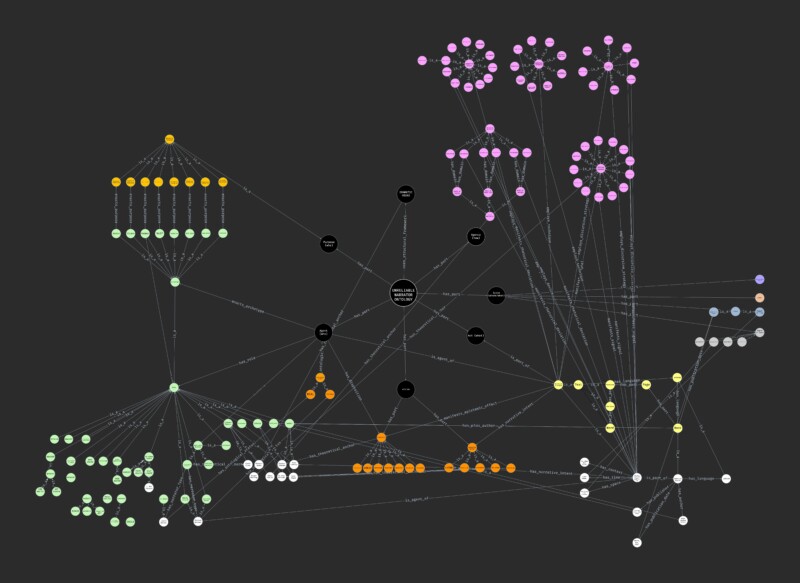
Unreliable Narrator Ontology,  Luanda Casella, Negotiating Realities
 ongoingOnderzoek
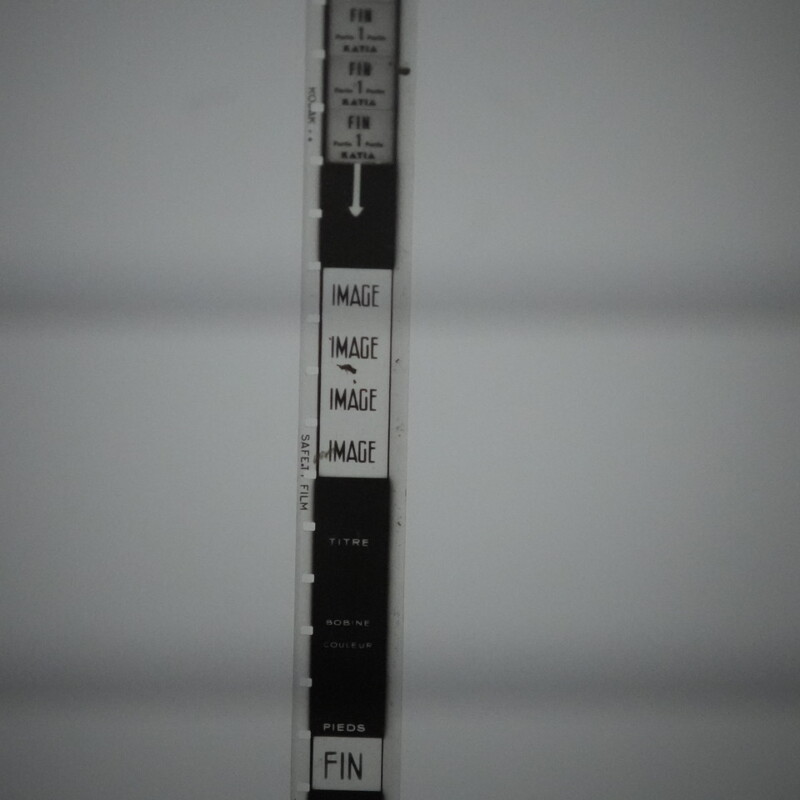
 Jasper Rigole, Sirah Foighel Brutmann, Eitan Efrat, Archival Sensations
 ongoingOnderzoek
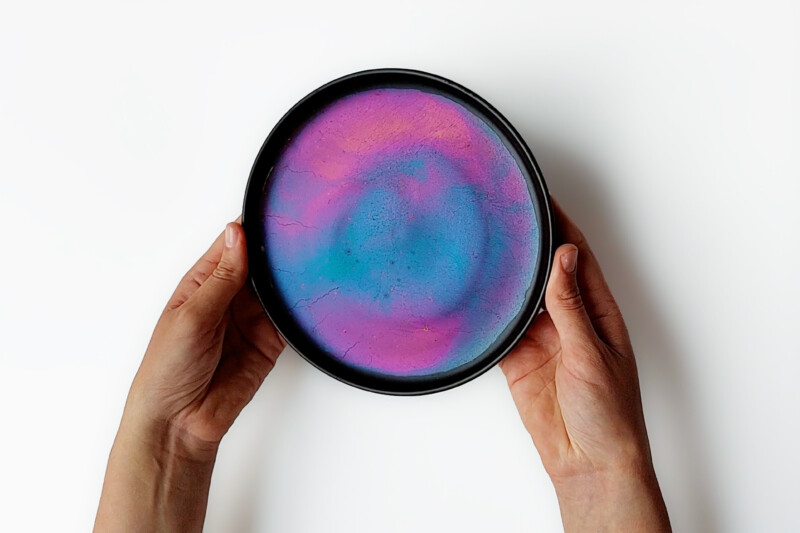
 Heleen Sintobin, María Boto Ordoñez, Disobedient Practices
 ongoingOnderzoek
 Benjamin Verhoeven, Disobedient Practices
 ongoingOnderzoek
 Edwin Carels, Archival Sensations
 ongoingOnderzoek
 Laura Huertas Millán, Archival Sensations
 ongoingOnderzoek
 The Body Plural
 ongoingOnderzoek
 Jasper Rigole, Archival Sensations
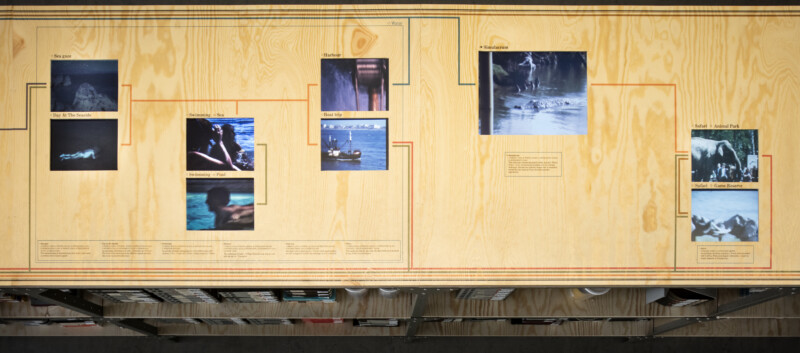 ongoingOnderzoek
 Edwin Carels, The Body Plural
 ongoingOnderzoek
 Catherine Willems, Archival Sensations
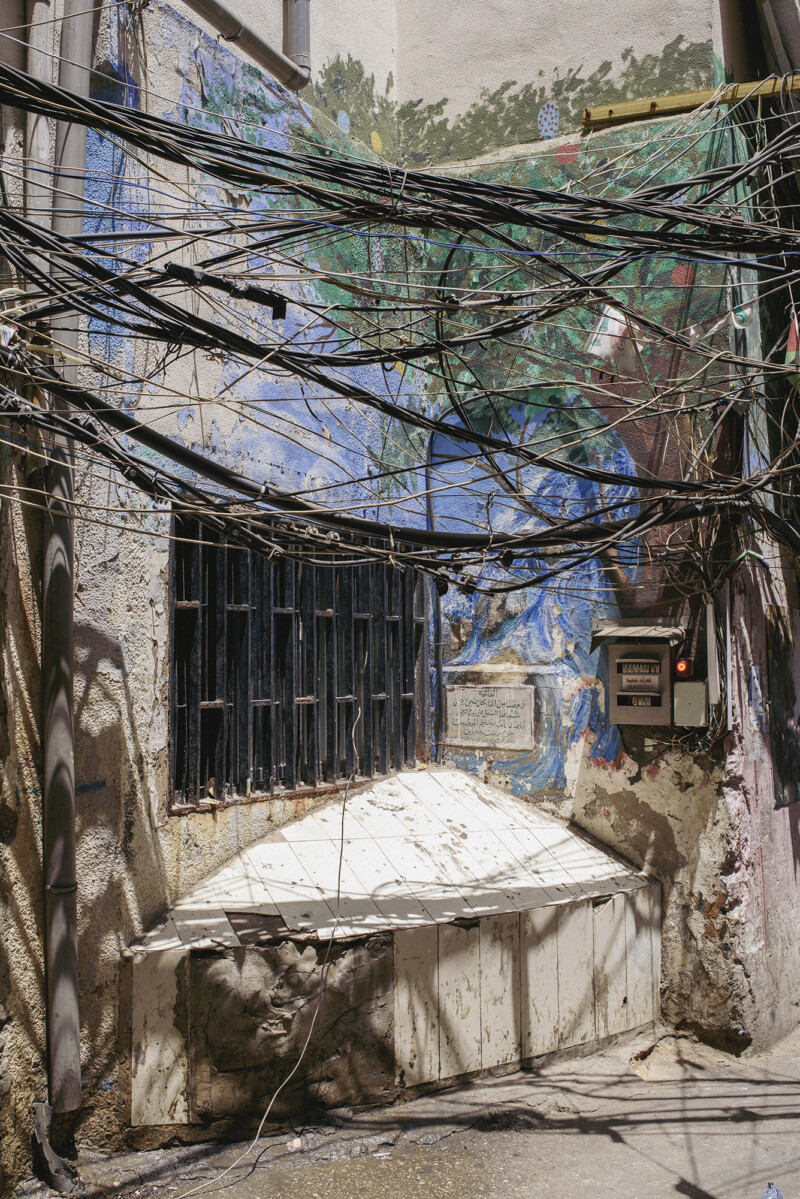 ongoingOnderzoek
 Lander Gyselinck,
 completedOnderzoek
 Helena De Preester, The Body Plural
 ongoingOnderzoek
 Lars Kwakkenbos, Negotiating Realities
 ongoingOnderzoek
 Joost Rekveld, Disobedient Practices
 ongoingOnderzoek
 Timeau De Keyser, Negotiating Realities
 ongoingOnderzoek
 Jerry Galle, Disobedient Practices
 ongoingOnderzoek
 Sébastien Hendrickx, Negotiating Realities
 ongoingOnderzoek
 Rebecca Jane Arthur, Archival Sensations
 ongoingOnderzoek
 Johan Grimonprez,
 completedOnderzoek
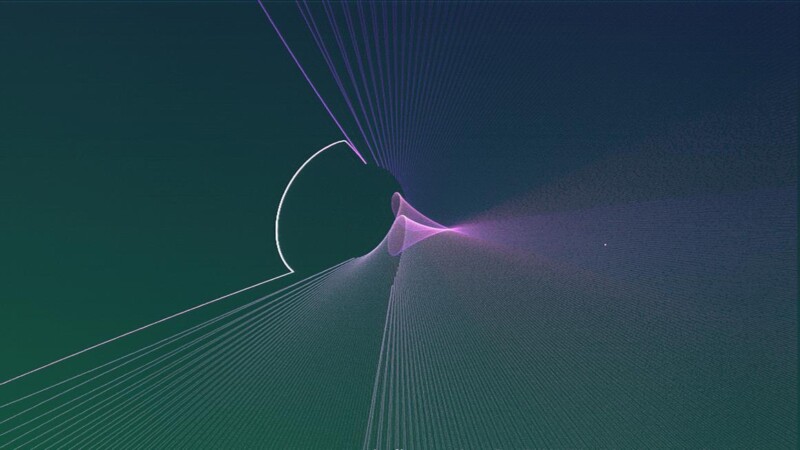
 Joost Rekveld, Disobedient Practices
 completedOnderzoek
 Max Pinckers,
 completedOnderzoek
 Laura Herman, completedOnderzoek
 Manu Frederickx,
 completedOnderzoek
 Bauke Lievens, The Body Plural
 ongoingOnderzoek
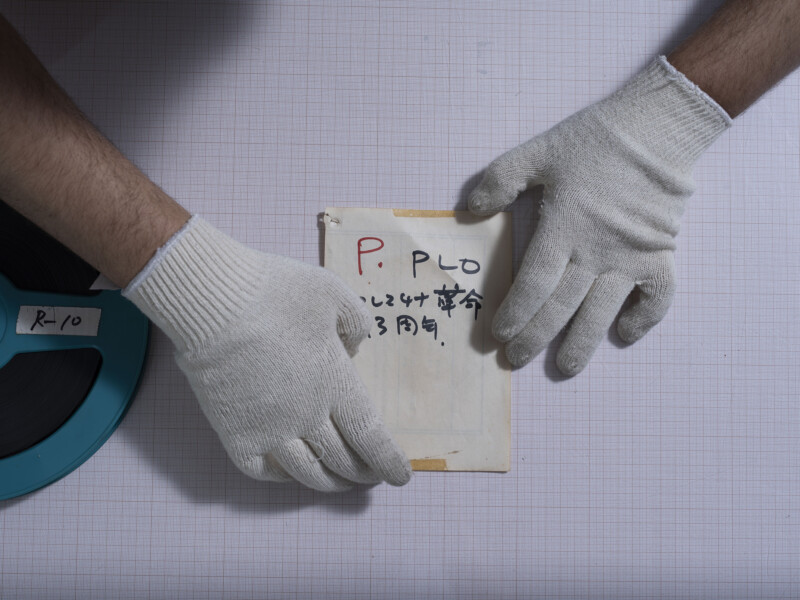
 Mohanad Alyacoubi, Archival Sensations
 completedOnderzoek
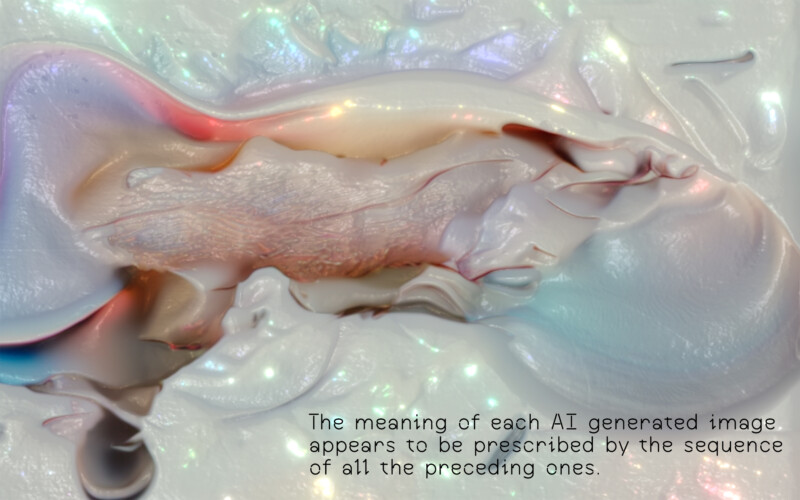
 Jerry Galle, Disobedient Practices
 ongoingOnderzoek
 Bert De Roo, Futures through Design
 completedOnderzoek
 Benny Nemer, Archival Sensations
 ongoingOnderzoek
 Dirk van Gogh, Negotiating Realities
 ongoingOnderzoek
 Thomas Bellinck, Negotiating Realities
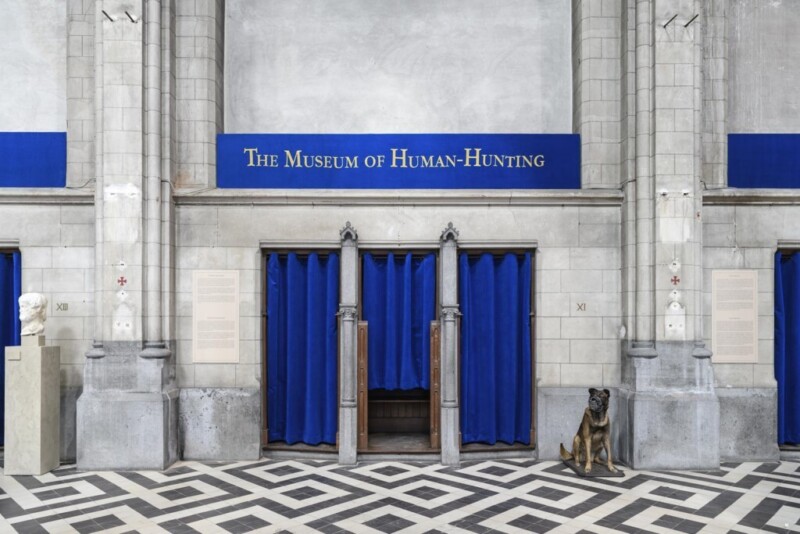 ongoingOnderzoek
 Rosine Mbakam, Negotiating Realities
 ongoingOnderzoek
 Michiel De Cleene, Negotiating Realities
 ongoingOnderzoek
 Liesa Van der Aa, Negotiating Realities
 ongoingOnderzoek
 Sébastien Hendrickx, Negotiating Realities
 completedOnderzoek
 Catherine Willems,
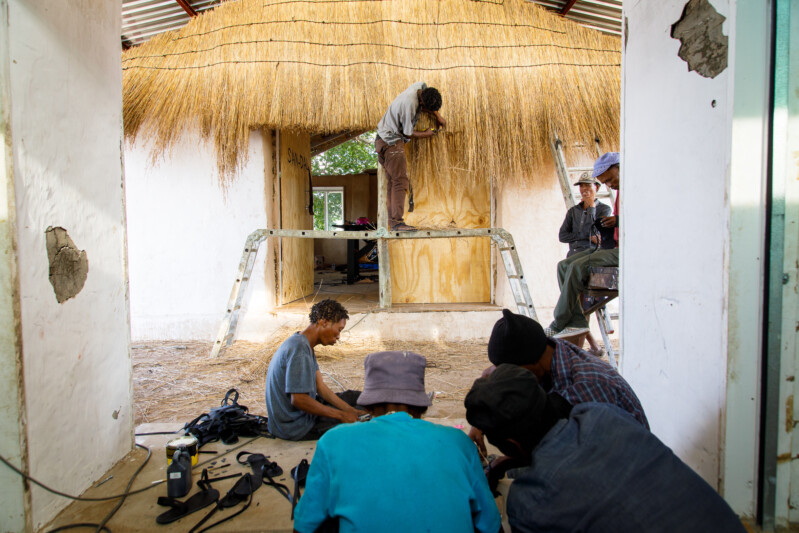 completedOnderzoek
 Michiel De Cleene,
 completedOnderzoek
 Ives Maes,
 completedOnderzoek
 Dominique Somers,
 completedOnderzoek
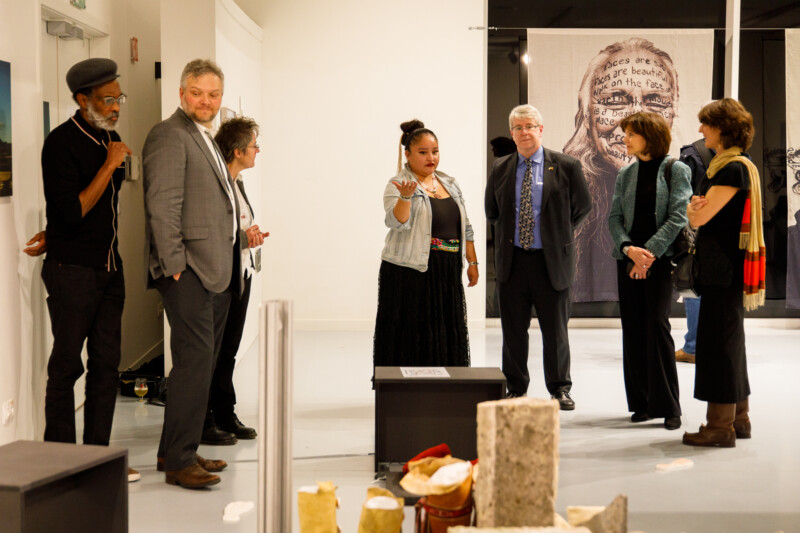
 Catherine Willems, The Body Plural
 ongoingOnderzoek
 Sara De Bondt,
 completedOnderzoek
 Daan Janssens,
 completedOnderzoek
 Ives Maes,
 completedOnderzoek
 Tom Callemin,
 completedOnderzoek
 Hannes Verhoustraete,
 completedOnderzoek
 Stoffel Debuysere, The Art of Resonance – The Resonance of Art
 ongoingOnderzoek
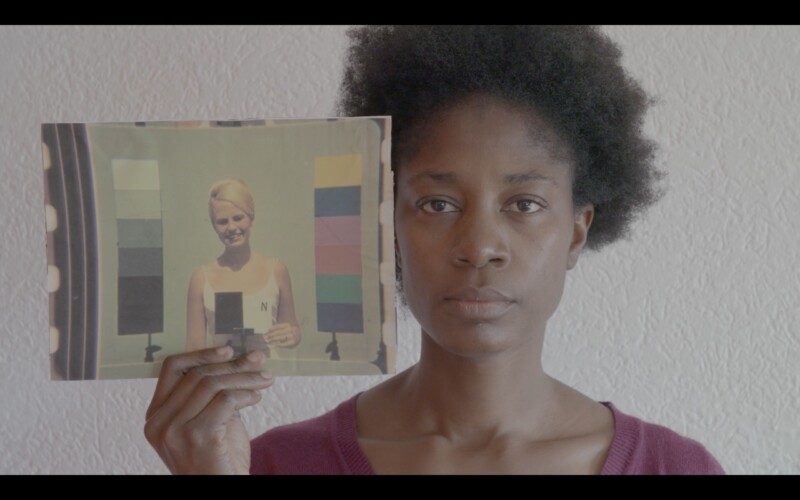
 An van Dienderen, Negotiating Realities
 ongoingOnderzoek
 Nils Vermeulen, The Art of Resonance – The Resonance of Art
 ongoingOnderzoek
 Seppe Gebruers, The Art of Resonance – The Resonance of Art
 ongoingOnderzoek
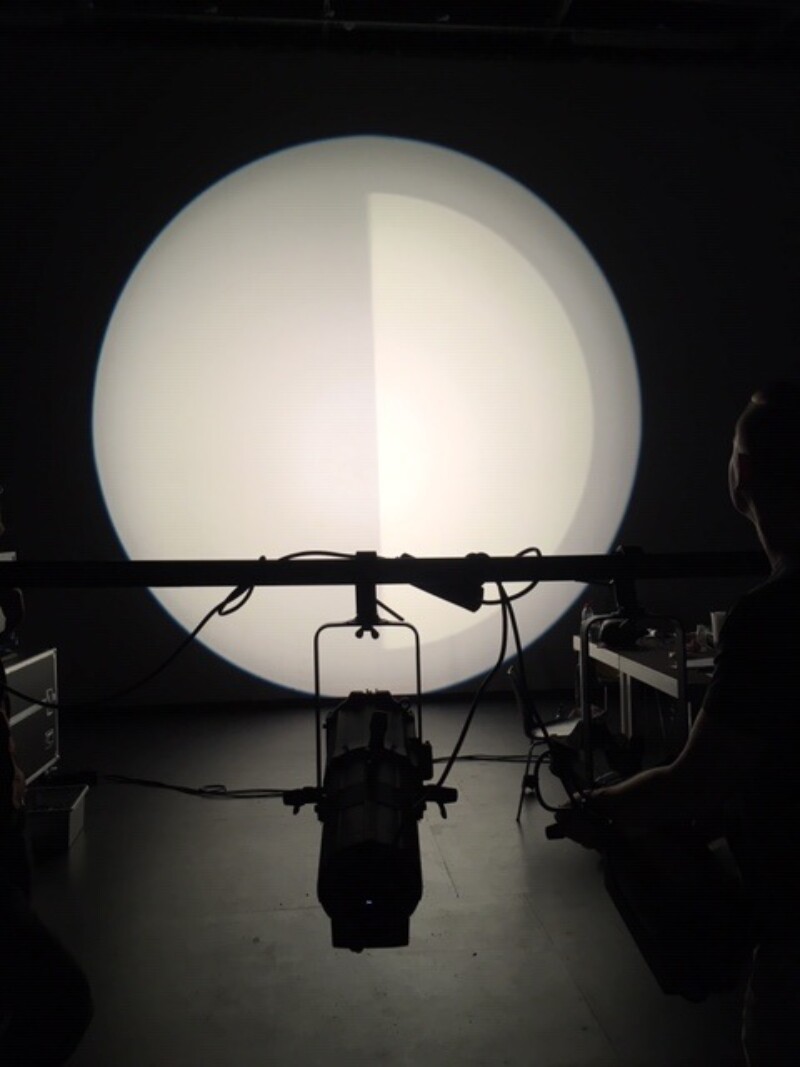
 Geert Belpaeme, Negotiating Realities
 ongoingOnderzoek
 Godart Bakkers,
 completedOnderzoek
 Paul Bailey,
 completedOnderzoek
 Dirk van Gogh, Futures through Design
 completedOnderzoek
 Futures through Design
 completedOnderzoek
 Sven De Visscher, Futures through Design
 completedOnderzoek
 Sven De Visscher, Futures through Design
 completedOnderzoek
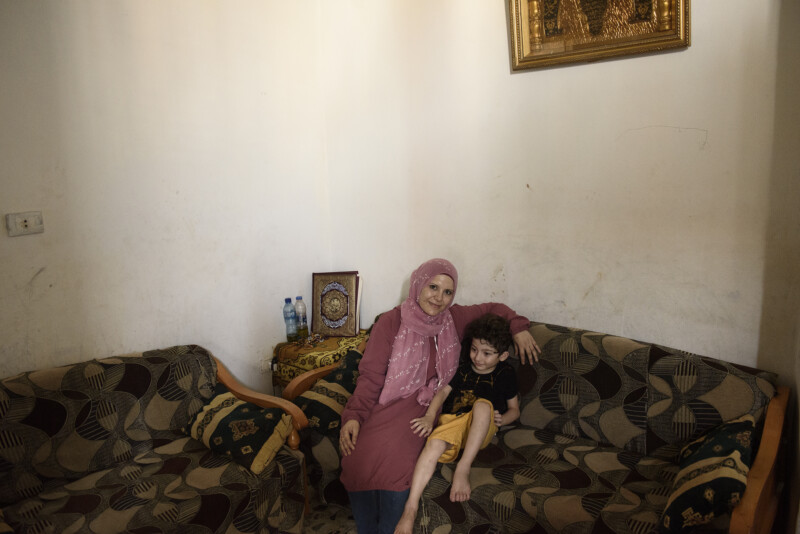
 Sofie Verclyte,
 completedOnderzoek
 Koen Van Damme, Futures through Design
 completedOnderzoek
 Futures through Design
 completedOnderzoek
 Sylvie Van Damme, Futures through Design
 completedOnderzoek
 Ann Saelens,
 completedOnderzoek
 Futures through Design
 completedOnderzoek
 Futures through Design
 completedOnderzoek
 Futures through Design
 completedOnderzoek
 Futures through Design
 completedOnderzoek
 Stefanie Delarue, Futures through Design
 completedOnderzoek
 Renée Verschraege, Futures through Design
 completedOnderzoek
 Tim Duerinck, Futures through Design
 completedOnderzoek
 Michiel De Cleene,
 completedOnderzoek
 Helena De Preester, The Body Plural
 completedOnderzoek
 Judith Wambacq,
 completedOnderzoek
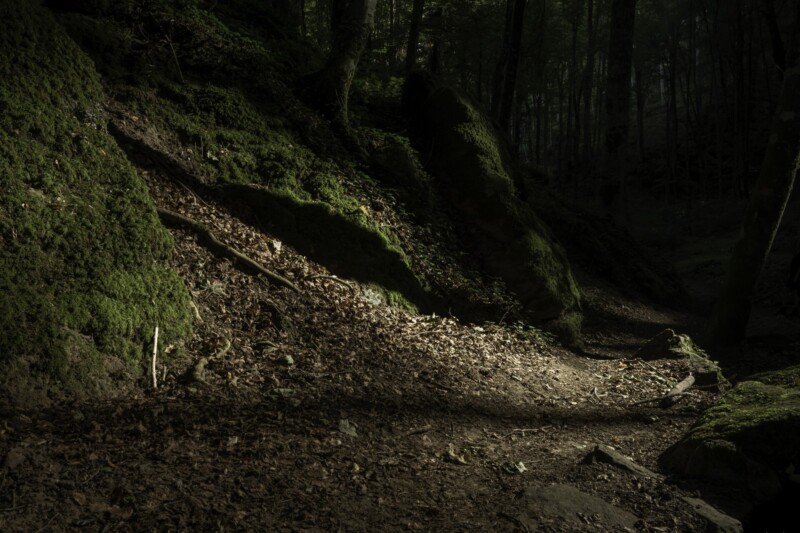
 David Weber-Krebs,
 completedOnderzoek
 Jasper Rigole,
 completedOnderzoek
 An van Dienderen,
 completedOnderzoek
Luanda Casella, Negotiating RealitiesongoingOnderzoekUnreliable Narrator Ontology
The Orchard as Archive, Laura Palau, Archival SensationsongoingOnderzoekThe Orchard as Archive
Holding a Film Archive Accountable,Jasper Rigole, Sirah Foighel Brutmann, Eitan Efrat, Archival SensationsongoingOnderzoekHolding a Film Archive Accountable
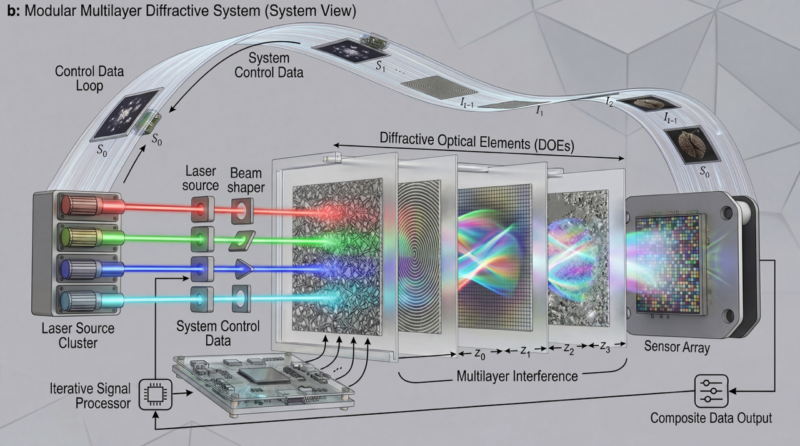
Structural Colours, Beyond Pigment,Heleen Sintobin, María Boto Ordoñez, Disobedient PracticesongoingOnderzoekStructural Colours, Beyond Pigment
My Dear Image, What Will Become of You?,Benjamin Verhoeven, Disobedient PracticesongoingOnderzoekMy Dear Image, What Will Become of You?
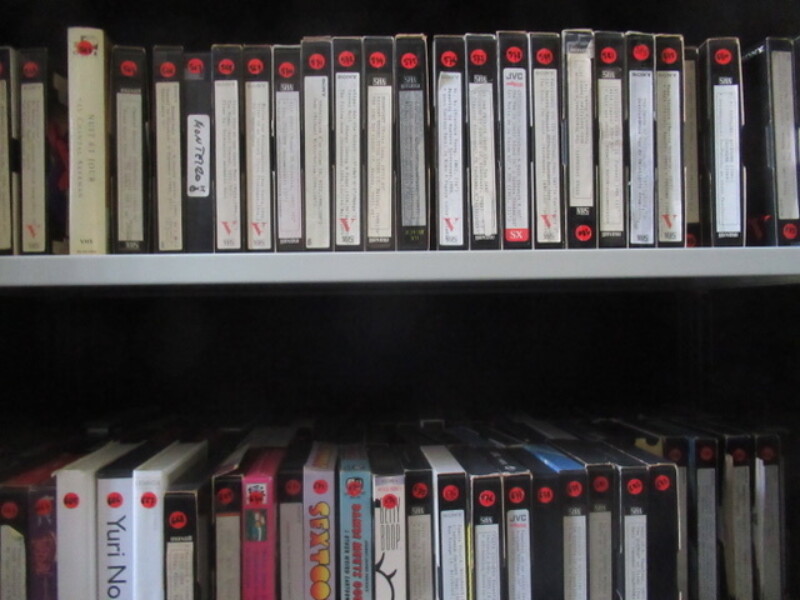
History Deletes Itself,Edwin Carels, Archival SensationsongoingOnderzoekHistory Deletes Itself
Archivo Fantasma — Spectral Fictions,Laura Huertas Millán, Archival SensationsongoingOnderzoekArchivo Fantasma — Spectral Fictions
Recovered Images, Mohanad Alyacoubi, Disobedient PracticesongoingOnderzoekRecovered Images
From Walking Archives to Wearable Utopias,The Body PluralongoingOnderzoekFrom Walking Archives to Wearable Utopias
Mis-Shapes, Mohanad Alyacoubi, Archival SensationsongoingOnderzoekMis-Shapes
Common People,Jasper Rigole, Archival SensationsongoingOnderzoekCommon People
Animology,Edwin Carels, The Body PluralongoingOnderzoekAnimology
You May Own the Lanterns but We Have the Light, Haig Aivazian, Archival SensationsongoingOnderzoekYou May Own the Lanterns but We Have the Light
Radical Variations, Primitive Forms, Samuel Comerford, The Art of Resonance – The Resonance of ArtongoingOnderzoekRadical Variations, Primitive Forms
Migrating Archives,Catherine Willems, Archival SensationsongoingOnderzoekMigrating Archives
Kind of Brew,Lander Gyselinck, completedOnderzoekKind of Brew
Affect in the Making,Helena De Preester, The Body PluralongoingOnderzoekAffect in the Making
Montage as method, Hannes Verhoustraete, Archival SensationsongoingOnderzoekMontage as method
The Reading of Pleasure,Lars Kwakkenbos, Negotiating RealitiesongoingOnderzoekThe Reading of Pleasure
Systems that Matter,Joost Rekveld, Disobedient PracticesongoingOnderzoekSystems that Matter
Playing, in order not to be played,Timeau De Keyser, Negotiating RealitiesongoingOnderzoekPlaying, in order not to be played
Intermediate Zones,Jerry Galle, Disobedient PracticesongoingOnderzoekIntermediate Zones
Words worlding worlds,Sébastien Hendrickx, Negotiating RealitiesongoingOnderzoekWords worlding worlds
Homeward Bound,Rebecca Jane Arthur, Archival SensationsongoingOnderzoekHomeward Bound
Every Day Words Disappear,Johan Grimonprez, completedOnderzoekEvery Day Words Disappear
Performing Absence, Frederik Le Roy, completedOnderzoekPerforming Absence
Dialogues with Machines,Joost Rekveld, Disobedient PracticescompletedOnderzoekDialogues with Machines
The Struggle for Freedom in _____,Max Pinckers, completedOnderzoekThe Struggle for Freedom in _____
Making the World More than Less Real,Laura Herman, completedOnderzoekMaking the World More than Less Real
Reconstruction of the 1640 Ioannes Ruckers Virginal in the Rijksmuseum Amsterdam,Manu Frederickx, completedOnderzoekReconstruction of the 1640 Ioannes Ruckers Virginal in the Rijksmuseum Amsterdam
The Circus Dialogues (continued),Bauke Lievens, The Body PluralongoingOnderzoekThe Circus Dialogues (continued)
Ecologies of Transnational Solidarity Cinema,Mohanad Alyacoubi, Archival SensationscompletedOnderzoekEcologies of Transnational Solidarity Cinema
Deep Learning School,Jerry Galle, Disobedient PracticesongoingOnderzoekDeep Learning School
Decentering Design,Bert De Roo, Futures through DesigncompletedOnderzoekDecentering Design
Several Favourable Bodies,Benny Nemer, Archival SensationsongoingOnderzoekSeveral Favourable Bodies
Soft Connection Lab,Dirk van Gogh, Negotiating RealitiesongoingOnderzoekSoft Connection Lab
Simple as ABC,Thomas Bellinck, Negotiating RealitiesongoingOnderzoekSimple as ABC
On the way to my personal decolonization,Rosine Mbakam, Negotiating RealitiesongoingOnderzoekOn the way to my personal decolonization
On Instructing Photography,Michiel De Cleene, Negotiating RealitiesongoingOnderzoekOn Instructing Photography
Music is a language with(out) grammar,Liesa Van der Aa, Negotiating RealitiesongoingOnderzoekMusic is a language with(out) grammar
Shaping the presence of the African diaspora in Belgium, Uwizeye Nsengiyumva, ongoingOnderzoekShaping the presence of the African diaspora in Belgium
Cosmograms Beyond the Capitalocene,Sébastien Hendrickx, Negotiating RealitiescompletedOnderzoekCosmograms Beyond the Capitalocene
Future Footwear 2.0,Catherine Willems, completedOnderzoekFuture Footwear 2.0
Documenting Objects,Michiel De Cleene, completedOnderzoekDocumenting Objects
The Future of Yesterday can only become Present as Past,Ives Maes, completedOnderzoekThe Future of Yesterday can only become Present as Past
Everything that shines sees,Dominique Somers, completedOnderzoekEverything that shines sees
Revolt! On a Refusal to Sing, Jelena Jureša, Archival SensationsongoingOnderzoekRevolt! On a Refusal to Sing
Cobbleration,Catherine Willems, The Body PluralongoingOnderzoekCobbleration
Ecology of Colour, María Boto Ordoñez, Negotiating RealitiescompletedOnderzoekEcology of Colour
Off the Grid,Sara De Bondt, completedOnderzoekOff the Grid
Referential Music,Daan Janssens, completedOnderzoekReferential Music
Behind the curtains of animation, Pedram Kargar, completedOnderzoekBehind the curtains of animation
Forbidden Fruits Create Many Jams,Ives Maes, completedOnderzoekForbidden Fruits Create Many Jams
Double Reality,Tom Callemin, completedOnderzoekDouble Reality
Hegemonie en historiografie,Hannes Verhoustraete, completedOnderzoekHegemonie en historiografie
Echoes of Dissent,Stoffel Debuysere, The Art of Resonance – The Resonance of ArtongoingOnderzoekEchoes of Dissent
White-centricity challenged through co-creation,An van Dienderen, Negotiating RealitiesongoingOnderzoekWhite-centricity challenged through co-creation
Into the toneworld,Nils Vermeulen, The Art of Resonance – The Resonance of ArtongoingOnderzoekInto the toneworld
Playing with ...,Seppe Gebruers, The Art of Resonance – The Resonance of ArtongoingOnderzoekPlaying with ...
In Search of the Female Touch?, Sofie Vandamme, Negotiating RealitiesongoingOnderzoekIn Search of the Female Touch?
Reflecting Light,Geert Belpaeme, Negotiating RealitiesongoingOnderzoekReflecting Light
Ghent, playing field of the visual arts (1957–1987),Godart Bakkers, completedOnderzoekGhent, playing field of the visual arts (1957–1987)
Visual essay as critical instrument,Paul Bailey, completedOnderzoekVisual essay as critical instrument
Duurzaam Design geïnspireerd door Japan.,Dirk van Gogh, Futures through DesigncompletedOnderzoekDuurzaam Design geïnspireerd door Japan.
Kindvriendelijk ziekenhuis, Futures through DesigncompletedOnderzoekKindvriendelijk ziekenhuis
ECOLAB Schoonmeersen,Futures through DesigncompletedOnderzoekECOLAB Schoonmeersen
BLOK,Sven De Visscher, Futures through DesigncompletedOnderzoekBLOK
Een onderzoek naar de integratie van landschap in ruimtelijk ontwerp in Vlaanderen, Futures through DesigncompletedOnderzoekEen onderzoek naar de integratie van landschap in ruimtelijk ontwerp in Vlaanderen
KIDS,Sven De Visscher, Futures through DesigncompletedOnderzoekKIDS
On Migrating Heritage,Sofie Verclyte, completedOnderzoekOn Migrating Heritage
WISH,Koen Van Damme, Futures through DesigncompletedOnderzoekWISH
Biodivers zorggroen,Futures through DesigncompletedOnderzoekBiodivers zorggroen
Stopping the show, Hilde D’haeyere, completedOnderzoekStopping the show
Sociale duurzaamheid in de Landschaps- en Tuinarchitectuur,Sylvie Van Damme, Futures through DesigncompletedOnderzoekSociale duurzaamheid in de Landschaps- en Tuinarchitectuur
Verleiden tot het midden,Ann Saelens, completedOnderzoekVerleiden tot het midden
Relational Design,Futures through DesigncompletedOnderzoekRelational Design
INNOCASTLE,Futures through DesigncompletedOnderzoekINNOCASTLE
Een nieuwe kijk op landgoederen,Futures through DesigncompletedOnderzoekEen nieuwe kijk op landgoederen
Behoud door ontwikkeling,Futures through DesigncompletedOnderzoekBehoud door ontwikkeling
FoodForward,Stefanie Delarue, Futures through DesigncompletedOnderzoekFoodForward
IKIRU,Renée Verschraege, Futures through DesigncompletedOnderzoekIKIRU
Flax fiber instruments,Tim Duerinck, Futures through DesigncompletedOnderzoekFlax fiber instruments
Performing the invisible, Chokri Ben Chikha, completedOnderzoekPerforming the invisible
Reference Guide,Michiel De Cleene, completedOnderzoekReference Guide
Brave Belgians of the Belle Epoque, Jeroen Billiet, completedOnderzoekBrave Belgians of the Belle Epoque
Open Einde, Jan De Pauw, completedOnderzoekOpen Einde
Collecting and Unpacking My Library, Mekhitar Garabedian, completedOnderzoekCollecting and Unpacking My Library
The Color Biolab, Bram Crevits, completedOnderzoekThe Color Biolab
Towards a New Materialism, Geert Belpaeme, Negotiating RealitiescompletedOnderzoekTowards a New Materialism
Dierschap, Futures through DesigncompletedOnderzoekDierschap
Meeting in Motion,Helena De Preester, The Body PluralcompletedOnderzoekMeeting in Motion
Snow White Bathing Beauty, Hilde D’haeyere, completedOnderzoekSnow White Bathing Beauty
Kan men hedendaagse kunst lezen op een manier die geïnspireerd is door de Gestaltpsychologie en de fenomenologie?,Judith Wambacq, completedOnderzoekKan men hedendaagse kunst lezen op een manier die geïnspireerd is door de Gestaltpsychologie en de fenomenologie?
Exercising Fragilty in Theatres and Beyond,David Weber-Krebs, completedOnderzoekExercising Fragilty in Theatres and Beyond
Expanded Narrativity,Jasper Rigole, completedOnderzoekExpanded Narrativity
Color Chart for the Traveling Pianist, Lukas Huisman, completedOnderzoekColor Chart for the Traveling Pianist
China Girls and the Color Genie,An van Dienderen, completedOnderzoek